
Plants
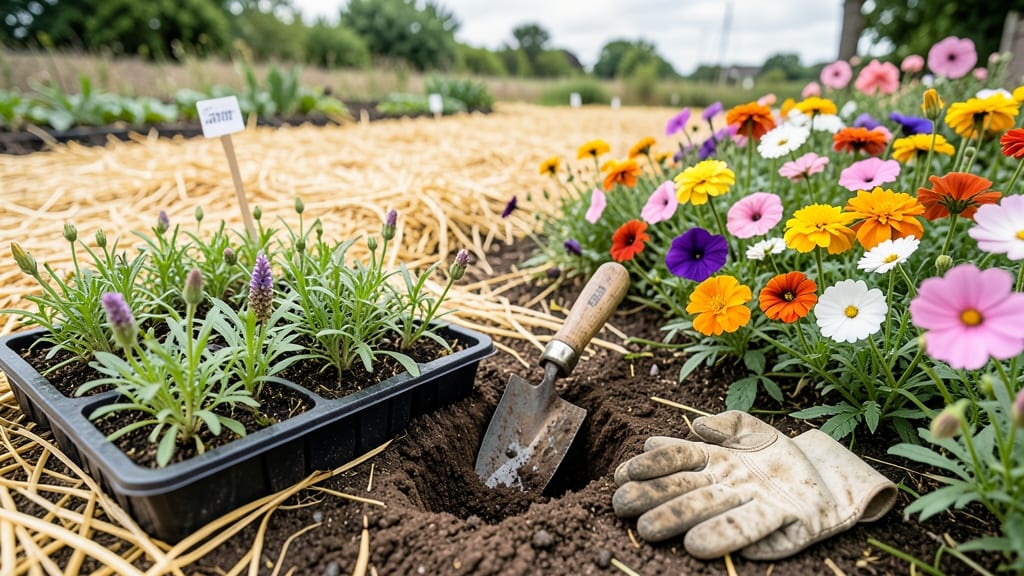
Knowing when to plant annuals in Zone 5 can mean the difference between a thriving garden and a sad pile of frost-bitten seedlings. If you’ve ever watched your tender 🌸 marigolds or basil wilt overnight after a surprise frost, you’re not alone—timing is everything in this climate.
The key is working with Zone 5’s short growing season, where mid-May after the last frost signals the green light for warm-season annuals like tomatoes and petunias.
But don’t wait too long—some varieties, like snapdragons, can handle cooler temps and even thrive when planted 4-6 weeks before the first frost in late July.
What makes this tricky is balancing frost sensitivity with your plants’ needs. Some annuals, like lettuce, actually prefer cooler weather and can be sown earlier, while others, like sunflowers, need warm soil to germinate. I’ll break down the exact windows so you can maximize your garden’s potential without guessing.
Whether you’re a first-time gardener or a seasoned pro, these strategies will help you stretch your growing season, protect your plants, and enjoy vibrant blooms and fresh veggies from June through October. Let’s get your Zone 5 garden on the right track!
Zone 5 annual planting calendar: exact dates for cold-hardy varieties
In Zone 5, where average last frost dates hover around May 15 and first frost arrives by October 1, timing your annuals correctly means the difference between a thriving garden and a frost-killed disappointment.
Most tender annuals like marigolds and basil need soil temperatures above 60°F to germinate, while cold-hardy varieties like pansies can handle light frosts.
Your planting window spans just 165 frost-free days, so strategic scheduling is key.
Start by marking your calendar for mid-May (after last frost) for heat-loving plants, while late July is your cutoff for fall crops like kale and radishes—plant them 4-6 weeks before first frost for a second harvest.
Here’s the exact planting schedule for Zone 5, including soil prep tips and frost-sensitive exceptions:
| Planting Window | Soil Temp | Cold-Hardy Exceptions | Notes |
|---|---|---|---|
| Mid-April to Early May | 45–55°F | Pansies, Snapdragons, Lettuce | Use row covers for frost protection |
| Mid-May (after last frost) | 60°F+ | Marigolds, Basil, Zinnias | Warm soil speeds germination |
| Late July to Early August | 55–65°F | Radishes, Kale, Spinach | Plant 4–6 weeks before first frost |
| August (for fast growers) | 50°F+ | Bush Beans, Nasturtiums | Choose quick-maturing varieties |
For urban gardeners, microclimates matter—south-facing walls can warm soil 2–3 weeks earlier than open beds. Test soil temperature with a soil thermometer (bury it 2 inches deep) before planting heat-lovers like tomatoes or peppers.
If your soil is still cool in May, wait or use black plastic mulch to warm it faster.
Fall planting in Zone 5 rewards patience. Cool-season crops like calendula and bok choy thrive when days shorten, and their flavors often improve after light frosts. Start seeds indoors in late July for transplanting in August, or direct-sow hardy varieties like spinach in early September.
Pro tip: Use succession planting to stretch your season. Sow radishes every 2 weeks from May through July for continuous harvests. Their 30-day maturity makes them perfect for filling gaps left by slower growers like carrots (which take 70+ days).
Don’t forget to harden off seedlings before transplanting. Acclimate them outdoors for 7–10 days, gradually increasing exposure from 2 hours to full sun. This toughens stems and prevents shock, especially for tender annuals like geraniums.
If you’re new to Zone 5 gardening, start with cold-tolerant annuals like pansies or snapdragons—they’ll forgive minor timing mistakes. For bold blooms, zinnias and cosmos are forgiving and thrive in full sun, even in cooler summers.
Track your garden’s progress with a planting journal. Note when your last frost occurs (it varies yearly!) and adjust future schedules. Over time, you’ll refine your timing to match your local microclimate—whether that’s a sunny city lot or a shaded backyard.
5 Cold-hardy annuals that thrive in Zone 5’s short season
Zone 5’s short growing season doesn’t mean you have to skip vibrant annuals! Some varieties actually thrive in cooler temperatures and can handle light frosts. I’ve tested these top 5 cold-hardy annuals in my own garden, and they consistently deliver stunning blooms or bountiful harvests despite our unpredictable springs.
These resilient plants can survive brief frost exposure (28°F or higher) or tolerate cooler soil temperatures (40°F+). The key is choosing varieties with high frost tolerance ratings and giving them a head start with proper soil prep—like adding compost to warm the soil faster.
Each of these plants has unique frost tolerance traits. For example, radishes mature in just 25-30 days, so you can plant them as early as mid-April (even with light frost). Meanwhile, snapdragons can handle 28°F temperatures and bloom beautifully in partial shade—perfect for late spring or early fall plantings.
Pro tip: Pair these cold-hardy annuals with companion plants like kale or spinach to maximize your garden’s productivity. I’ve found that calendula planted near broccoli deters pests naturally while adding color to my late-season beds.
For best results, start seeds indoors 4-6 weeks before your last frost date (around April 15 in Zone 5). Harden off seedlings gradually and transplant after soil reaches 50°F—this gives them a 2-week head start against late frosts.
Don’t let Zone 5’s short season limit your garden dreams! With these frost-resistant annuals, you can enjoy colorful blooms and fresh harvests from spring to fall. 🌿