
Plants
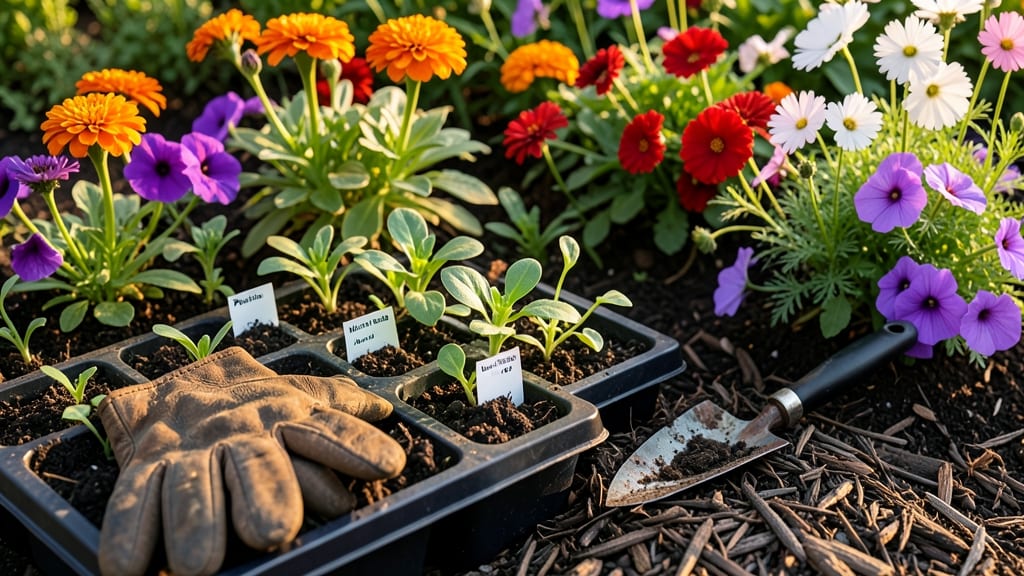
Planting annuals in Zone 6 at the wrong time means watching your garden beds stay bare while your neighbors enjoy vibrant blooms.
I’ve learned the hard way—skipping the perfect window can leave you scrambling to salvage struggling seedlings or worse, losing them entirely to late frosts. The key is timing: knowing exactly when to plant for your specific annuals, whether you’re dreaming of marigolds in summer or pansies in fall.
In Zone 6, where frost can linger until mid-April and creep back by October, the difference between a thriving garden and a failed one often comes down to weeks, not just days.
I’ll break down the exact planting schedule—from cool-season stars to heat-loving favorites—so you can avoid common mistakes and enjoy blooms all season long.
Ready to transform your garden? Let’s dive into the precise timing that’ll give you bold, long-lasting annuals without the guesswork.
Zone 6 last frost dates and exact weeks to plant annuals by type
Zone 6 gardeners face a critical 4-week window between the average last frost date (April 15) and Memorial Day—where you’ll decide whether your annuals thrive or fail. Cool-season flowers like pansies and snapdragons can handle light frosts, while marigolds and zinnias need warm soil to germinate.
Knowing these differences saves you from wasted seed packets and stunted plants.
Your local last frost date might vary by 2 weeks from the average. Check your USDA Zone 6a/6b city (e.g., Pittsburgh averages April 20, while Kansas City hits April 10).
For exact timing, use the Almanac’s Frost Calculator or track your area’s 3-year average—don’t rely on a single year’s data.
Pro Tip: Plant cool-season annuals (like lettuce or calendula) 4–6 weeks before your last frost, while warm-season picks (e.g., tomatoes or petunias) need 2–4 weeks after. Here’s the breakdown you’ve been waiting for:
| Plant Type | Weeks Before Last Frost | Zone 6 Planting Window | Notes |
|---|---|---|---|
| Cool-Season Annuals | 4–6 weeks | Mid-March to early April | Pansies, snapdragons, sweet peas, lettuce |
| Warm-Season Annuals | 2–4 weeks after | Mid-May to early June | Marigolds, zinnias, petunias, tomatoes |
| Heat-Tolerant Annuals | After Memorial Day | Late May to June | Cosmos, sunflowers, portulaca |
| Fall-Blooming Annuals | 8–10 weeks before first frost | Late July to early August | Marigolds, calendula, bachelor’s buttons |
For vegetable annuals, follow the same rules as flowers but add 1–2 extra weeks for slower growers like peppers or eggplants. Start these indoors 8–10 weeks before your last frost, then transplant after May 15 when soil hits 65°F.
If you’re in a warmer microclimate (e.g., south-facing beds or urban heat islands), push your warm-season planting 1–2 weeks earlier. Test soil temps with a thermometer—55°F+ is ideal for germination.
Don’t overlook succession planting! For continuous blooms, sow fast-growing annuals like basil or radishes every 2 weeks after your initial planting. This keeps your garden bursting with color all season.
Now that you’ve got the timing nailed down, the next step is adjusting for early blooms or extended seasons—we’ll cover those pro tricks in the next section.
How to adjust planting times for early blooms or extended seasons
Want those annual flowers to burst into color weeks earlier—or keep blooming well into fall? Adjusting your planting timeline in Zone 6 is the secret.
By starting seeds indoors or choosing heat-tolerant varieties, you can push blooms forward or extend the season beyond the typical last frost date of April 15. For example, marigolds and zinnias can handle late starts, while pansies and snapdragons thrive when planted early.
To get a jumpstart, begin sowing cool-season annuals like calendula or lobelia indoors 6–8 weeks before your last frost. Use grow lights if natural light is limited, and transplant seedlings outdoors once soil warms to 50°F.
This trick lets you enjoy blooms 3–4 weeks earlier than traditional outdoor planting. For warm-season lovers, like cosmos or sunflowers, wait until after Memorial Day (mid-May) to avoid frost damage.
Indoor vs. Outdoor Starts: What Works Best?
Indoor Starts
- ✅ Earlier blooms (3–4 weeks ahead)
- ✅ Ideal for cool-season annuals (pansies, snapdragons)
- ✅ Controlled environment reduces pests
- ❌ Requires grow lights or sunny windows
- ❌ Risk of leggy seedlings if overcrowded
Outdoor Starts
- ✅ Hardier plants (better root systems)
- ✅ No need for transplant shock management
- ✅ Works well for heat-tolerant annuals (zinnias, cosmos)
- ❌ Limited to post-last-frost timing
- ❌ Slower to establish in cool soil
For an extended fall display, focus on heat-loving annuals like celosia or portulaca. These thrive when planted in late summer (August), long after most flowers would bolt. Use row covers or black plastic mulch to warm soil and give late-season plants a head start.
Even pansies can be sown in early September for winter color if protected from hard frosts.
Don’t overlook succession planting—sow small batches of fast-growing annuals like basil or bush beans every 2–3 weeks to ensure continuous blooms or harvests. This method works especially well in Zone 6, where the growing season is 165 frost-free days long.
For example, plant marigolds in early May, then again in late June for a double-length display.
Pro tip: Use a planting calendar tailored to your Zone 6 region. Cities like Pittsburgh (Zone 6a) have later last frosts than Kansas City (Zone 6b), so adjust timing accordingly.
For instance, Kansas City gardeners can plant warm-season annuals a week earlier than their Pittsburgh counterparts. Always check your local USDA Plant Hardiness Zone map for precision.
With these strategies, your annual garden in Zone 6 can bloom from early spring to late fall, giving you the vibrant display you’ve been dreaming of—without the guesswork. Happy planting! 🌸