
Plants
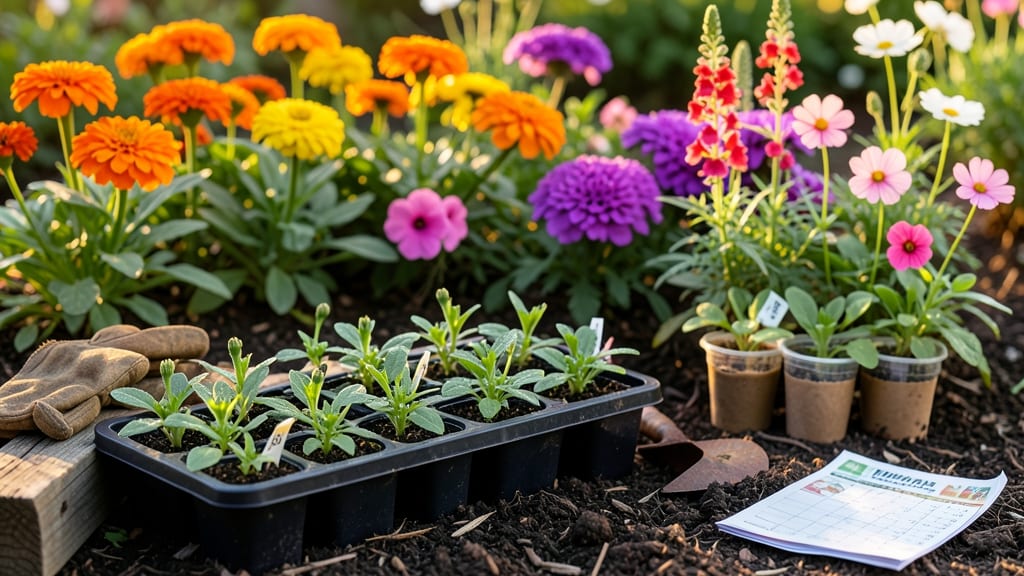
Timing your annuals planting in Chicago isn’t just about following a calendar—it’s about outsmarting the city’s infamous late spring frosts that can turn your 🌸 marigolds into icy casualties before they even bloom.
With USDA Zone 6a and microclimates that vary from the chilly Lakeshore to the warmer urban heat islands, knowing when to plant makes all the difference. Miss the window, and you’ll watch your seedlings wilt; nail it, and you’ll enjoy vibrant blooms from June through October.
I’ll break down the exact planting windows for your neighborhood, whether you’re in the City Center or the Northwest Suburbs, so you can start seeds and transplant with confidence. No more guessing—just thriving annuals all season long.
Ready to transform your garden into a summer paradise? Let’s dive into the science behind Chicago’s frost dates and how to work with them, not against them.
Chicago’s last frost dates by neighborhood: safe planting windows for annuals
Chicago’s last frost dates aren’t one-size-fits-all—they shift by just a few days across neighborhoods due to urban heat islands and Lake Michigan breezes. City Center and the Lakeshore (like Rogers Park) often warm up 3–5 days earlier than the Northwest Suburbs (e.g., Arlington Heights) or Southwest Suburbs (e.g., Bolingbrook).
These microclimates mean your marigolds might bloom weeks apart depending on where you live!
For Zone 5b/6a Chicago, the average last frost date hovers around April 15, but this varies wildly. The National Weather Service and Midwest Regional Climate Center track historical data showing a 10-day window between early April (Lakeshore) and late April (Northwest Suburbs).
Warm-season annuals like tomatoes and zinnias need soil temperatures above 60°F, which typically happens by mid-May in cooler pockets.
Cool-season annuals (e.g., lettuce, pansies) can handle light frosts and can be planted 4–6 weeks before your area’s last frost. Meanwhile, heat-loving annuals like okra or sweet potatoes should wait until after June 1 to avoid stunted growth from lingering cool snaps.
🌱
To pinpoint your exact last frost date, check the Old Farmer’s Almanac or use the National Oceanic and Atmospheric Administration (NOAA) climate maps.
I’ve planted cosmos in my Edgewater garden by April 20 most years, but a late-May frost once wiped out my basil—a harsh reminder to always have row covers on hand!
For fall planting, aim for late July to early August for warm-season annuals. The first frost typically hits October 15, but Lakeshore areas may see frost as early as October 1.
Succession plant bush beans or zinnias every 2–3 weeks from June to August to stretch your blooms until frost.
Pro tip: Use a soil thermometer—warm-season plants won’t thrive until soil hits 60°F, even if air temps feel spring-like. I’ve seen 50°F soil in 70°F air in early May, which stalled my peppers for weeks!
🌿
How to extend your Chicago planting season for annuals (without risking frost)
Chicago’s short growing season doesn’t mean you’re stuck with a limited display of annuals. By using smart strategies, you can safely plant earlier in spring or later in fall—without risking frost damage. The key is protecting tender plants from late frosts or extending warmth into cooler months.
Start by choosing cold-hardy annuals like pansies, snapdragons, and sweet peas for early planting. These thrive in 40–50°F soil and can handle light frosts. For late-season blooms, opt for heat-tolerant varieties like zinnias or okra, which flourish in 80°F+ temperatures.
Here’s how to push your planting windows safely:
For fall planting, monitor your local first frost date (usually mid-October) and choose fast-maturing annuals like bush beans or nasturtiums. These can often survive light frosts and may even taste sweeter after a frost!
Pro tip: Check soil temperature with a soil thermometer—most annuals need at least 60°F to thrive. If your soil is still chilly, wait a few more days or use black plastic mulch to warm it faster.
With these tricks, you’ll enjoy longer blooms and bigger harvests in Chicago’s unpredictable climate. 🌱