
Planting
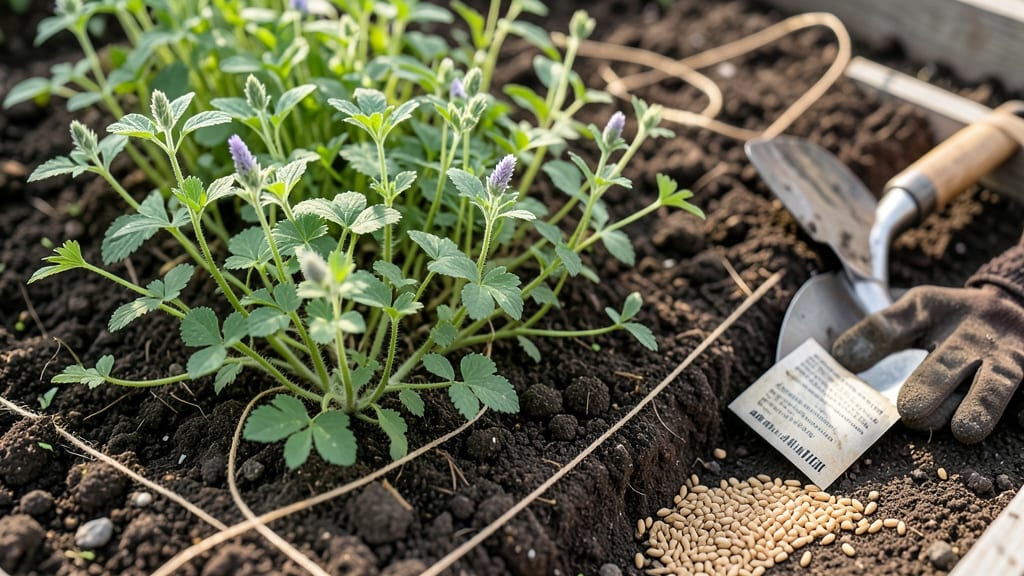
Timing your alfalfa planting in spring can mean the difference between a lush, nitrogen-rich crop and a frustrating wait for sprouts that never come. This hardy perennial thrives when planted just right—after the last frost but before summer’s heat sets in.
For most gardeners in USDA Zone 6a (like me!), that sweet spot falls between early and mid-spring, when soil temperatures hit 50°F and stay consistent. Too early? Frost will stall germination. Too late? Your seedlings may struggle under the sun.
I’ve learned the hard way that alfalfa isn’t patient—it needs fast action once conditions align. The key is preparing your soil ahead of time (think aeration and pH balance) and planting seeds just ¼-inch deep for optimal moisture and airflow.
Ready to unlock the secrets of perfect alfalfa timing? Let’s dive into the exact steps to ensure your seeds sprout strong, your plants establish quickly, and your garden reaps the rewards all season long.
Optimal spring planting windows for alfalfa by USDA hardiness Zones
Alfalfa thrives in cool weather, making early spring the ideal planting window—but timing varies dramatically by USDA zone. In Zones 3-4, where winters are harsh, aim for late April to early May after the last frost when soil temps hit 50°F.
In Zones 5-7, you can start as early as March, but wait until nighttime temps stay above 40°F consistently.
Northern gardeners often face false springs—those brief warm spells followed by frost. To avoid this trap, check your local frost-free date (typically mid-April in Zone 5) and plant 2-3 weeks after that date.
Southern growers in Zones 7+ have more flexibility, with February to early March being perfect, but avoid planting when summer heat is approaching.
Soil temperature is your best guide. Use a soil thermometer to confirm 50°F+ at 4-inch depth. Cold soil slows germination, while overly warm soil can cause seed rot.
In my Zone 6a garden, I wait until mid-April when the ground feels comfortably cool—not icy, but not baking either.
Here’s how to adjust for your region: Zone 3-4 = late April, Zone 5-6 = early to mid-April, Zone 7+ = February-March. Pro tip: If you’re in a high-altitude area, plant 2 weeks later than your zone’s average, as cooler temps linger longer.
🌱 Alfalfa Planting Windows by USDA Zone
| Zone | Ideal Planting Window | Soil Temp Threshold | Frost Risk | Key Cue |
|---|---|---|---|---|
| 3-4 | Late April–Early May | 50°F+ at 4" | High (last frost: May 1) | Daffodils blooming |
| 5-6 | Early–Mid April | 50°F+ at 4" | Moderate (last frost: April 15) | Crocus in bloom |
| 7-8 | February–Early March | 55°F+ at 4" | Low (last frost: March 15) | Camellias blooming |
| 9-10 | January–February | 60°F+ at 4" | Minimal (last frost: Jan 31) | Citrus trees leafing |
💡 Pro Tip: Use a moon planting guide for best results—sow seeds during the waxing moon for faster germination.
Regional microclimates can shift these windows by 2-3 weeks. For example, my Zone 6a backyard in a valley gets frost 10 days later than the hilltop neighbors. To account for this, monitor local weather patterns for 3 years and adjust accordingly.
If you’re unsure, err on the side of planting later—alfalfa’s deep roots can handle summer heat better than seedlings can handle frost.
Another critical factor is daylength. Alfalfa grows best with 14+ hours of daylight, which typically kicks in by late May in most zones. Planting too early in short-day conditions (like March in Zone 5) can stunt growth.
Balance soil warmth with daylight hours—aim for April 1st in Zone 5 for the sweet spot.
For container gardening, push your planting window 1-2 weeks earlier since pots warm up faster. Fill containers with well-draining mix and place them in a south-facing
Seed depth and soil preparation secrets for fast alfalfa sprouting
Alfalfa seeds are tiny but mighty, and their success hinges on two critical factors: seed depth and soil preparation. Plant them too shallow, and they’ll dry out; too deep, and they’ll suffocate.
The sweet spot? A ¼-inch depth—just enough to protect them from wind while keeping moisture locked in.
I’ve found that loose, well-aerated soil is non-negotiable. Alfalfa roots need room to breathe, so avoid compacted ground. If your soil feels dense, work in compost or sand to improve drainage and prevent crusting, which can smother emerging seedlings.
Before planting, test your soil’s pH level—alfalfa thrives in a 6.5–7.5 range. If it’s too acidic, add lime; if alkaline, mix in sulfur. I always adjust mine in fall, but a quick fix in spring with pelletized lime works too.
🌱 Pro Tips for Alfalfa Sprouting Success
- ✅ Scarify seeds for 10 mins in hot water to break dormancy in cold climates.
- ✅ Use a seed drill for precise depth (¼–½ inch) in large plots.
- ✅ Mulch lightly with straw to retain moisture without smothering sprouts.
- ✅ Avoid tilling after planting—disturbs shallow roots.
For container gardening, use a lightweight potting mix with perlite to prevent compaction. I’ve had great luck with 50% compost, 30% peat moss, and 20% perlite—it mimics alfalfa’s natural loose soil preferences.
After sowing, keep the soil consistently moist (not soggy) until seedlings emerge, which typically takes 7–14 days. Once they’re up, thin to 4–6 inches apart—crowding stresses plants and invites disease.
Remember: Patience is key. Alfalfa’s deep taproot means it won’t rush above ground, but once established, it’ll reward you with years of nitrogen-rich growth—all because you nailed the prep work.