
Plants
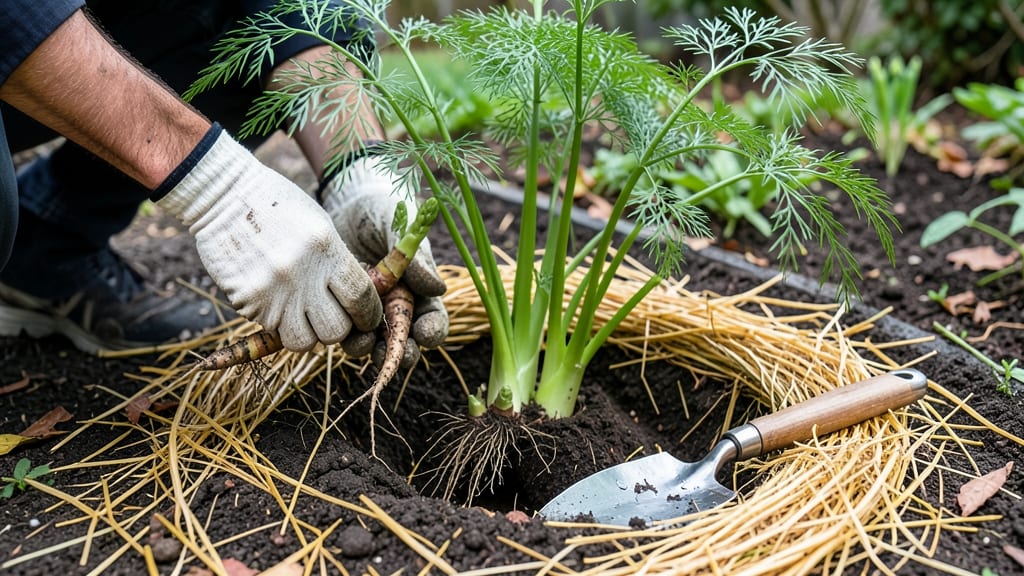
Planting asparagus in Louisiana might seem tricky with our warm winters, but timing it right between February and March gives your 🌱 crowns the perfect head start before the heat arrives.
Most gardeners make the mistake of waiting too long, only to watch their plants struggle in Louisiana’s intense summer. The key is getting those roots established fast—when soil temps hit 50°F—so your asparagus can thrive before the real heat sets in.
I’ve learned the hard way that early spring planting (before March 15th) means stronger, faster-growing plants that reward you with harvests by April. Let me show you exactly how to nail this window for Louisiana’s unique climate.
From soil prep to frost risks, we’ll cover everything you need to know to grow asparagus that’s bigger, healthier, and ready to harvest sooner than you’d expect.
Best planting months for asparagus in Louisiana’s climate zones
Louisiana’s USDA zones 8a-9b offer a unique advantage for growing asparagus—its mild winters and hot summers create a perfect window for root establishment before summer heat arrives.
Unlike northern climates, you don’t need to worry about late spring frosts, but timing still matters to avoid stunted growth or pest pressure from Louisiana’s humidity.
The ideal planting window spans from late February to early April, aligning with soil temperatures reaching 50-60°F. This ensures roots establish before summer’s intensity.
In northern Louisiana (zones 8a), aim for February-March planting, while southern Louisiana (zones 9a-9b) can extend planting until early April without risking heat stress.
Cold-hardy varieties like Jersey Knight and Mary Washington thrive in Louisiana’s climate, but even they need 6-8 weeks of cool soil to establish before summer’s heat.
Planting too early (January) risks waterlogged soil from winter rains, while planting after April may lead to poor root development before the growing season peaks.
🌱
| Region | Best Planting Month | Soil Temp Threshold | Key Consideration |
|---|---|---|---|
| Northern Louisiana (Zones 8a) | Late February - Early March | 50-60°F | Avoid late frosts (mid-February avg) |
| Central Louisiana (Zones 8b) | Mid-February - Mid-March | 55-65°F | Balanced risk of early heat |
| Southern Louisiana (Zones 9a-9b) | Early March - Early April | 60-70°F | Extend window for root growth |
| All Regions | Avoid May+ Planting | N/A | Poor establishment before summer heat |
For container growing, Louisiana gardeners can plant asparagus crowns 1-2 weeks earlier (late January) since pots warm faster. However, ensure containers have drainage holes to prevent root rot from Louisiana’s frequent rains. In-ground planting always yields better long-term results due to asparagus’s deep root system.
If you miss the ideal window, don’t despair—transplanting young plants in September-October can work, but yields may be reduced by 20-30% compared to spring plantings. This is because asparagus needs 2 full growing seasons to establish a strong root system before producing spears.
Pro tip: Use a soil thermometer to monitor temperatures. Plant when soil reaches 55°F for 10+ days—this signals safe root growth. Louisiana’s clay-heavy soils can retain cold longer, so wait for consistent warmth before planting.
🌡️
After planting, mulch heavily with 2-3 inches of straw to retain moisture and regulate soil temperature. This is especially critical in Louisiana’s humid summers, where rapid drying can stress young plants. Avoid synthetic mulches that trap too much heat near the crowns.
Remember: Patience is key—asparagus won’t produce spears until 2-3 years after planting. But with the right timing, your Louisiana garden can yield harvests for 15+ years, making the early effort worthwhile.
Best planting months for asparagus in Louisiana’s climate zones
Louisiana’s unique climate—with its humid subtropical zones and mild winters—creates a 6-8 week window for planting asparagus crowns. Unlike colder regions, you don’t need to wait for spring’s last frost; instead, focus on soil temperatures (aim for 50°F+) and humidity management to prevent fungal issues.
Northern Louisiana (USDA Zones 8a-8b) has slightly cooler winters, while Southern Louisiana (Zones 9a-9b) stays warmer year-round. This means February to early March is ideal for most gardeners, but timing shifts 1-2 weeks later in colder pockets like Shreveport versus New Orleans.
| Zone & Location | Ideal Planting Window | Soil Temp Threshold | Key Variety Tip |
|---|---|---|---|
| North LA (8a-8b) | Late February–Early March | 50°F+ (10°C+) | Jersey Knight (cold-hardy) |
| Central LA (8b-9a) | Mid-February–Late March | 55°F+ (13°C+) | Mary Washington (versatile) |
| South LA (9a-9b) | January–Early April | 60°F+ (15°C+) | Purple Passion (heat-tolerant) |
🌱 Pro Tip: Test soil temps with a thermometer—plant when it stays above 50°F for 3+ days.
Missed the window? Don’t panic—April plantings still work if you use mulch heavily to retain moisture and shade young crowns during Louisiana’s intense afternoon sun. Just expect a 1-2 year delay in harvest compared to ideal timing.
For container gardening, plant in March-April when soil warms faster in pots. Use well-draining mixes with 50% compost to mimic Louisiana’s native loamy soils. Containers dry out quicker, so water daily until roots establish (6-8 weeks).
If you’re in Zone 9b (like Houma or Lafayette), you can even plant fall crowns in October for a winter harvest—just protect from light freezes with row covers. This extends your growing season by 3-4 months compared to spring-only plantings.
Avoid planting after April 15 in most of Louisiana—summer heat stress slows root growth, leading to poor spears in Year 1. Instead, focus on soil prep now (see next section) to create the perfect bed for your late-winter crowns.