
Plants
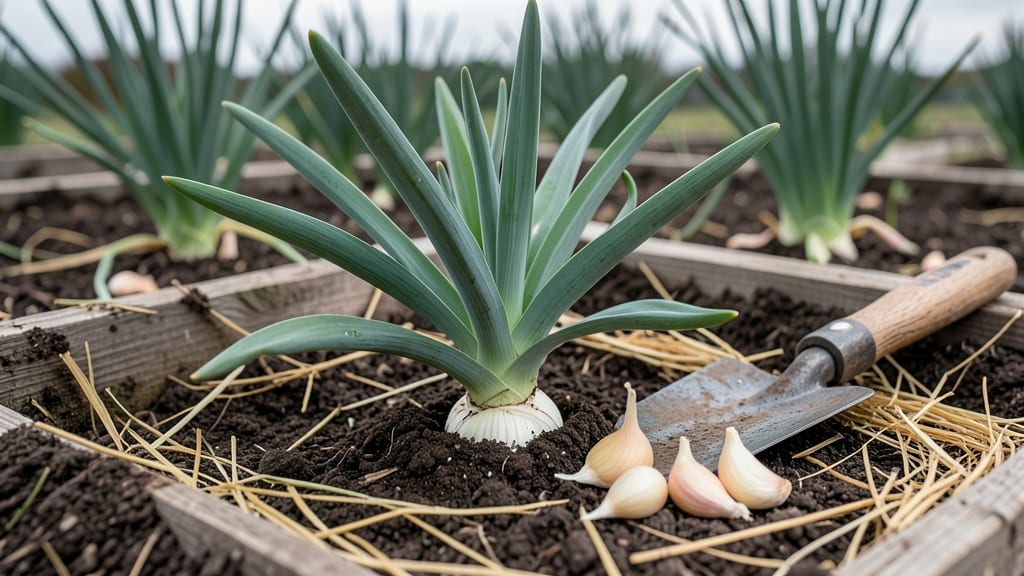
Timing is everything when it comes to growing garlic—and spring planting might feel like a tight squeeze, but with the right approach, you can still grow a bountiful harvest. The key lies in choosing cold-hardy varieties and planting them at the perfect moment before summer heat sets in.
For most gardeners in USDA Zone 6a, the ideal window opens in early March and closes by mid-April, giving your 🧄 cloves enough time to establish roots before the ground warms.
But what if your spring runs late? Don’t worry—we’ll cover how to adjust for unpredictable weather and still get great results.
Spring-planted garlic behaves differently than its fall counterpart, so we’ll walk through the best practices to maximize bulb size and flavor, even with a delayed start.
Whether you’re a first-time grower or a seasoned gardener, these tips will help you avoid common mistakes like planting too late or choosing the wrong variety.
Ready to turn your spring garden into a garlic goldmine? Let’s dive into the exact steps to plant, nurture, and harvest your crop—no matter how late the season gets.
Best spring planting windows for garlic by USDA hardiness Zones
Spring garlic planting can still yield a bountiful harvest if you time it right, but the ideal window depends on your USDA hardiness zone and local climate. Unlike fall-planted garlic, which benefits from winter chilling, spring garlic relies on cold-hardy varieties and proper soil temperatures to develop strong bulbs.
The key is planting 4-6 weeks before your last frost date, but adjustments are needed for late springs or warmer regions.
In USDA Zones 3-5, where winters are harsh, you can push spring planting as late as late April or early May—even into early June for cold-hardy varieties like 'German White' or 'Silverskin'.
Meanwhile, gardeners in Zones 6-10 should aim for March or early April to avoid summer heat stress. Soil temperatures below 50°F (10°C) are ideal for germination, so always check before planting.
🌱
For gardeners in Zones 8-10, spring-planted garlic can even mature in the same growing season if you choose quick-maturing varieties like 'Artichoke' or 'Softneck'.
These varieties thrive in warmer climates and can be planted as early as February, but avoid planting after mid-April to prevent bolting (premature flowering).
Moon phases also play a role in garlic planting success. Planting during the waxing moon (when the moon is growing) is said to encourage stronger root development, while the waning moon may lead to smaller bulbs.
Check a lunar planting calendar for your region to align your planting with optimal phases.
One common mistake is waiting until after the last frost to plant garlic, assuming it’s too late. However, garlic cloves can still sprout in cool soil as long as they’re planted 4-6 weeks before summer heat sets in.
In my Zone 6a garden, I’ve successfully planted garlic as late as mid-May using 'Creole' variety, though yields were smaller than fall-planted bulbs.
To extend your planting window, consider using row covers or cold frames to protect young plants from late frosts. These tools can buy you an extra 2-3 weeks of planting time, especially in Zones 5-7.
Just remove covers during the day to prevent overheating and ensure proper airflow to avoid fungal diseases like white rot.
If you’re unsure about your last frost date, use a frost calendar from your local Cooperative Extension Service or a weather app like Old Farmer’s Almanac. These resources provide hyperlocal frost predictions that can help you fine-tune your planting schedule.
For example, in Zone 4, the last frost might be May 15, while in Zone 8, it could be as late as March 15.
Finally, remember that spring-planted garlic won’t store as long as fall-planted varieties, but it’s perfect for fresh use or green garlic harvests (harvesting scapes and young shoots). With the right timing and care, you can enjoy homegrown garlic even if you missed the fall planting window.
☀️
Best spring planting windows for garlic by USDA hardiness Zones
Spring garlic planting isn’t just for early birds—even late starters can succeed with the right USDA zone timing and cold-hardy varieties. The key is planting 4-6 weeks before your last spring frost, but adjustments are needed for Zones 3-10 to avoid bolting or stunted bulbs.
For example, in Zone 5, aim for March 15-April 1, while Zone 9 gardeners can wait until January-February for a late-winter start.
Soil temperature matters just as much as calendar dates. Garlic thrives when soil reaches 40-50°F, signaling it’s time to plant. Use a soil thermometer to confirm readiness—especially in northern climates where cold snaps linger.
Pro tip: Plant hardneck varieties like 'German White' in colder zones (3-6) for better bulb formation, while softneck types (e.g., 'Silverskin') handle warmer zones (7-10) with more flexibility.
🌡️ Spring Garlic Planting by USDA Zone
| Zone | Ideal Planting Window | Soil Temp (°F) | Best Varieties |
|---|---|---|---|
| 3-4 | March 1-April 15 | 40-50°F | 'German White', 'Creole' |
| 5-6 | March 15-April 15 | 45-55°F | 'Rocambole', 'Artichoke' |
| 7-8 | February-March | 50-60°F | 'Silverskin', 'California Early' |
| 9-10 | January-February | 55-65°F | 'Inchelium Red', 'Turkish' |
🌱 Note: Adjust for early/late springs by monitoring moon phases—planting during the waxing moon boosts bulb development.
Don’t let late springs derail your garlic dreams. If you miss the ideal window, opt for fast-maturing varieties like 'California Early' (ready in 180 days) or 'Exotic Pink' (bolts less easily).
Plant deeper (2-3 inches) in heavier soils to protect cloves from temperature swings, and always mulch heavily (4-6 inches of straw) to insulate roots.
Moon phase enthusiasts swear by planting garlic during the waxing moon (when the moon grows brighter) to encourage stronger bulb formation. While science isn’t definitive, many gardeners in Zone 6-8 report better yields when aligning planting with the moon’s gravity pull.
For example, a March waxing moon in Zone 7 often yields bulbs 20% larger than random planting dates.
Regional microclimates can shift your planting window by 2-4 weeks. If you live in a valley or low-lying area, frost lingers longer—plant 2 weeks earlier than zone guidelines.
Conversely, hilltops or urban heat islands may allow later planting (up to May 1 in Zone 8) for varieties like 'Silverskin'. Always scout your garden for frost pockets and adjust accordingly.
Remember: Spring-planted garlic won’t reach the size or flavor depth of fall-planted bulbs, but with the right variety and care, you’ll still harvest plump, usable cloves.
Pair your planting with a light spring fertilizer (5-10-10) and consistent morning watering to set your garlic up for success—even if you’re playing catch-up with the seasons.