
Planting
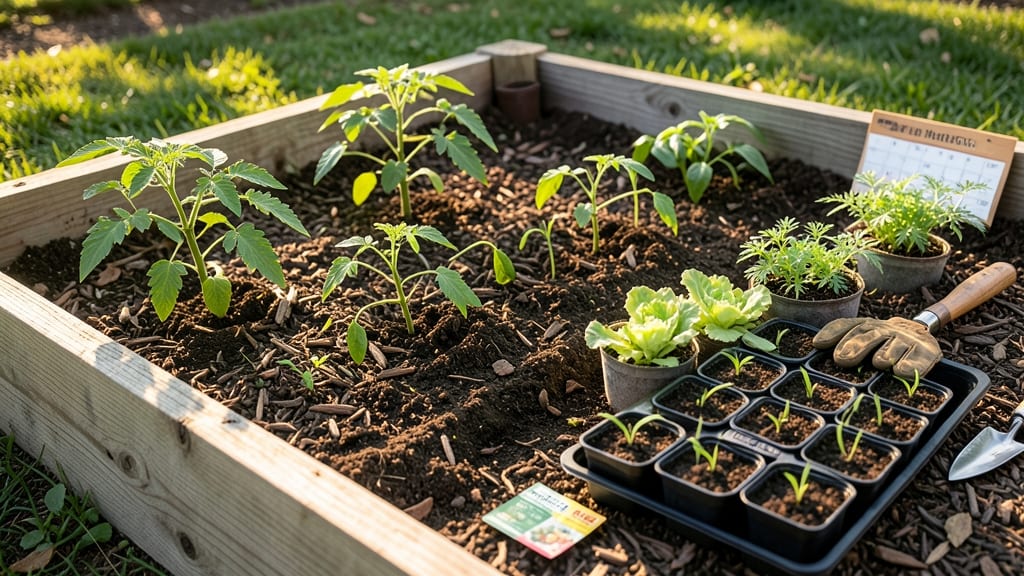
Timing when to plant a vegetable garden in NC isn’t one-size-fits-all—get it wrong, and your tomatoes might bolt before they ripen, or your greens could freeze before you even taste them.
The key? Understanding your specific heat zone and frost-free dates, which can shift planting windows by 4-6 weeks from the mountains to the coast.
I’ve spent years tracking NC’s diverse microclimates, and here’s the game-changer: Your last frost date isn’t just a number—it’s the difference between a bountiful harvest and a wasted season.
Whether you’re in Zone 6a’s cooler valleys or 8b’s extended summers, knowing exactly when to plant cool-season crops like broccoli or warm-season favorites like peppers means the difference between success and disappointment.
In this guide, I’ll break down the county-specific heat zones that determine your planting windows, from the Piedmont’s moderate springs to the Coastal Plain’s longer growing seasons.
You’ll learn how to adjust for early/late varieties, use frost charts, and even push your season further with simple hacks—so you can enjoy fresh homegrown veggies from spring to fall.
Ready to stop guessing and start growing? Let’s dive into the precise planting schedule that’ll turn your NC garden into a year-round harvest powerhouse.
NC county heat zones & frost-free dates: the exact planting windows by region
North Carolina spans USDA hardiness zones 5a to 8b, meaning your planting schedule should shift dramatically depending on whether you’re in the mountainous west or the coastal plain.
For example, Asheville’s last frost typically arrives by April 15, while Wilmington’s frost-free date is often March 1—a 45-day difference that can make or break your tomato harvest. To avoid costly mistakes, I’ll break down the critical frost dates by region and how they dictate your planting timeline.
First, find your local USDA zone using the USDA Plant Hardiness Zone Map. Most of NC falls into zones 6a–8b, but microclimates—like valleys or urban heat islands—can shift your zone by half a number.
For instance, a Zone 7a garden in Raleigh might experience frost 2 weeks earlier than one in nearby Durham due to urban warmth.
Once you know your zone, use these frost-free date averages as your planting guideposts. Cool-season crops like broccoli and spinach should go in 4–6 weeks before your last frost, while warm-season crops like peppers and cucumbers need to wait 2–3 weeks after the last frost.
Below, I’ve mapped out the exact planting windows for NC’s most common zones, including adjustments for early vs. late varieties.
NC Heat Zones & Planting Windows
| Zone | Last Frost | First Frost | Cool-Season Start | Warm-Season Start | Fall Planting | ||||||||||||||||||||||||
|---|---|---|---|---|---|---|---|---|---|---|---|---|---|---|---|---|---|---|---|---|---|---|---|---|---|---|---|---|---|
| 5a (Mountains) | May 1 | October 15 | March 15 | June 1 | August 1 | ||||||||||||||||||||||||
| 6a (Piedmont) | April 15 | November 1 | February 28 | May 15 | July 15 | ||||||||||||||||||||||||
| 7a (Central) | April 1 | November 15 | March 15 | April 30 | July 1 | ||||||||||||||||||||||||
| 7b (Coastal) | March 15 | December 1 | February 15 | April 15 | June 15 | ||||||||||||||||||||||||
| 8a (Southern) | February 15 | January 1 | January 15 | March 15 | May 1 | ||||||||||||||||||||||||
| 8b (Coastal Plain) |
Best vegetables to plant in NC by season (with county-specific adjustments)North Carolina’s diverse microclimates mean your Asheville garden might thrive with cool-season crops weeks earlier than a Coastal Plain plot. For example, Zone 6a counties like Haywood can plant spinach in late February, while Zone 8b areas like Brunswick should wait until mid-March to avoid heat stress. Let’s break down the ideal planting windows for 12 top NC vegetables, adjusted for your region’s frost dates and heat tolerance. Start with cool-season crops like broccoli and kale, which handle light frosts and even thrive in Zone 6a’s cooler springs. In Zone 7a (Piedmont), sow seeds 4-6 weeks before your last frost date—typically mid-March—while Zone 8b gardeners can plant as early as February for a jump-start. For warm-season crops like tomatoes and peppers, wait until 2-3 weeks after your last frost—usually mid-April in Zone 6a and early March in Zone 8b.
For succession planting, use short-season crops like bush beans or radishes to stagger harvests. In Zone 7a, plant every 2 weeks from April to July for continuous yields. Meanwhile, heat-loving crops like okra and southern peas thrive in Zone 8b’s longer summers—start them in May for a fall harvest before the first frost. Microclimates matter! A valley garden in Zone 6a might be 2-3 weeks warmer than nearby slopes, allowing for earlier tomato plantings. Similarly, coastal areas with high humidity (like Zone 8b) need fungus-resistant varieties of cucumbers or squash. Always check your local frost-free dates via the NC State Extension or USDA Plant Hardiness Map for precision. Pro tip: Use row covers to extend cool-season planting by 2-3 weeks in Zone 6a, or shade cloth to protect warm-season seedlings from Zone 8b’s intense sun. With these adjustments, you’ll maximize your harvest window—whether you’re growing crisp lettuce in spring or sweet corn in summer. |