
Planting
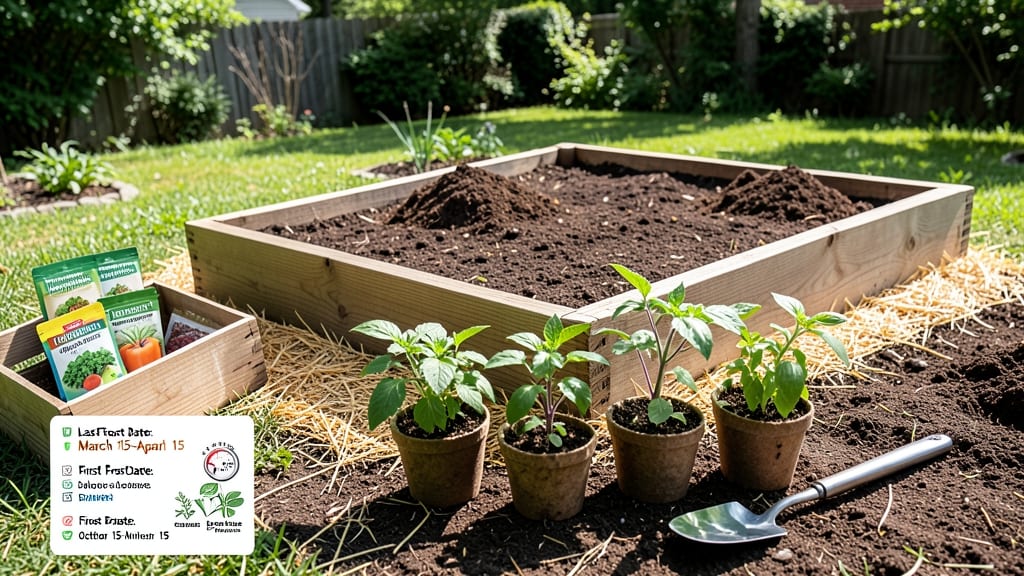
When to plant a vegetable garden in Virginia can mean the difference between a thriving harvest and a total flop—especially when frost sneaks in earlier than expected. The perfect planting window depends on your zone, whether you're in the mountains or coastal areas, and how you plan to protect tender seedlings. With Virginia's 5b to 8a zones, getting this right isn't just guesswork—it's a science backed by local climate data.
I’ve spent years tracking Virginia’s frost dates, and what I’ve learned will save you from those heartbreaking late-spring freezes or wasted fall crops. From cool-season greens that love early spring to heat-tolerant tomatoes thriving in summer, each vegetable has its ideal moment to hit the soil.
Let me show you exactly when to start seeds indoors, when to direct-sow, and how to stretch your growing season with simple tricks like row covers.
Whether you’re a first-time gardener in Richmond or a seasoned grower in Roanoke, this guide cuts through the confusion. We’ll cover zone-specific calendars, microclimate quirks, and even how to cheat frost with cold frames—so you can plant with confidence and enjoy fresh produce straight from your backyard.
Ready to turn your garden dreams into reality?
The key? Planting at the right time isn’t just about avoiding frost—it’s about maximizing your harvest. I’ll walk you through every step, from soil prep to succession planting, so you can enjoy summer-to-fall vegetables without the guesswork. Let’s get growing!
Virginia planting zones: frost dates and last-freeze timelines by region
Virginia’s USDA planting zones (5b-8a) create dramatic shifts in frost timing—from cooler mountain valleys to warmer coastal plains. These differences mean your Richmond garden might be ready for tomatoes 3 weeks earlier than Roanoke’s. Understanding your exact last frost date prevents frost-killed seedlings and maximizes harvests.
Most Virginia gardeners rely on average last frost dates between March 15–April 15 for spring planting, but microclimates (like urban heat islands or sheltered valleys) can shift these by 2+ weeks.
For example, Norfolk’s coastal zone often sees its last frost by March 15, while Blacksburg’s higher elevation may wait until April 30.
Here’s the critical data you need: 10 key Virginia cities with their average last frost dates and first frost dates for fall planting. Use these as your baseline, then adjust for your specific elevation and exposure.
| City | USDA Zone | Avg. Last Frost | Avg. First Frost | Growing Season |
|---|---|---|---|---|
| Norfolk | 8a | March 15 | November 15 | 215 days |
| Richmond | 7b | March 25 | November 5 | 225 days |
| Charlottesville | 7a | April 5 | October 25 | 205 days |
| Roanoke | 6b | April 15 | October 15 | 185 days |
| Blacksburg | 6a | April 30 | October 5 | 160 days |
| Lynchburg | 7b | March 30 | October 30 | 215 days |
| Harrisonburg | 6b | April 10 | October 20 | 195 days |
| Abingdon | 6a | April 20 | October 10 | 175 days |
| Winchester | 6b |
Best vegetables to plant in Virginia by season: cool vs. warm weather cropsVirginia’s climate offers two distinct planting seasons—cool weather crops thrive in spring and fall, while warm-weather varieties demand summer’s heat. The key? Matching your vegetable choices to your USDA zone and frost-free window. In Zone 5b-6a (mountains), you’ll have a shorter window than Zone 7a-8a (coastal), so plan accordingly. For early spring, focus on cold-hardy crops like peas, lettuce, and spinach. These can handle light frosts and even grow under row covers if temperatures dip. In late spring, transition to heat-loving crops such as tomatoes, peppers, and cucumbers—plant them after your last frost date (typically mid-April to early May, depending on your region).
🌱 Numbered Highlights: Virginia’s Best Vegetables by Season
💡 Pro Tip: Use succession planting for fast growers like radishes and lettuce to maximize your harvest! In summer, Virginia’s heat can be brutal for tender crops. Opt for heat-tolerant varieties like okra or sweet potatoes, which thrive in Zone 7a-8a’s humidity. Meanwhile, fall planting (after Labor Day) lets you squeeze in another round of cool-season crops before the first frost. Think Brussels sprouts or carrots—they’ll sweeten up with frost exposure! If you’re in Zone 5b-6a (e.g., Roanoke or Blacksburg), prioritize fast-maturing varieties to avoid early fall frosts. In Zone 7a-8a (e.g., Norfolk or Richmond), you can push warm-season crops later into September with row covers or cold frames. Always check seed packets for days to maturity—this determines your planting window! For container gardening in Virginia, stick to compact varieties like bush beans or patio tomatoes. These adapt well to urban balconies or small yards, regardless of your zone. Just ensure your containers have drainage holes and use lightweight potting mix to prevent root rot in summer’s heat. Remember: Soil temperature matters as much as air temperature. Use a soil thermometer—most seeds need soil at 60°F+ to germinate. In cooler zones, warm your soil with black plastic mulch or straw before planting. This trick can shave 2-3 weeks off your growing season! |