
Plants
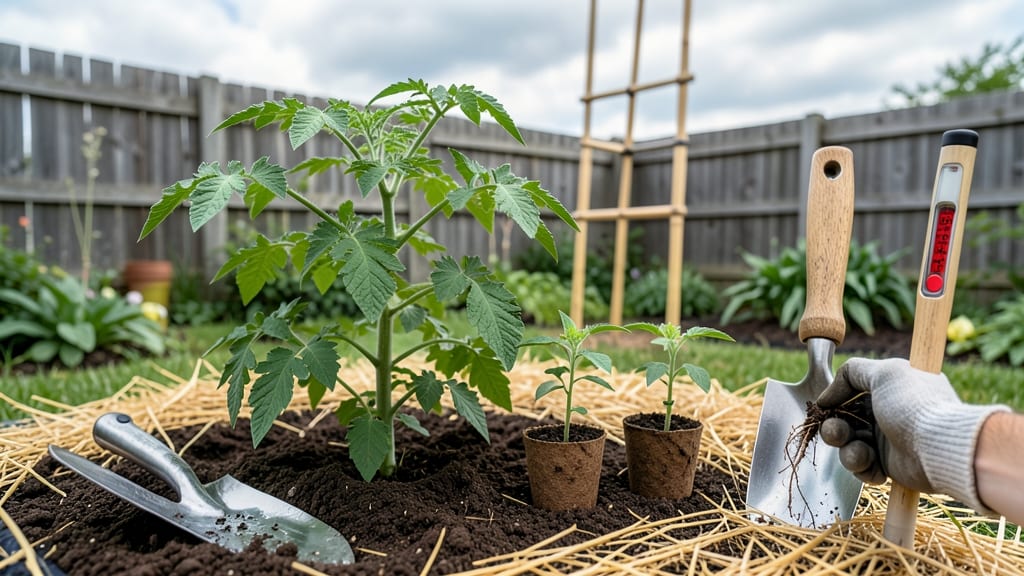
The best time to plant tomatoes in North Carolina isn’t just a date—it’s the difference between a bountiful harvest and wasted effort. With 6a-8b zones across the state, your county’s last frost date could mean the difference between thriving 🍅 plants and bolted failures.
Let’s cut through the guesswork. Whether you’re in the Coastal Plain, Piedmont, or Mountains, timing matters—especially when soil temperatures hit that critical 60°F threshold. Miss it, and you’ll spend summer chasing slow starts or dealing with heat-stressed seedlings.
I’ll break down the exact windows for your region, from April 15 in coastal areas to June 15 in the Mountains, plus pro tricks to harden seedlings and pick varieties that won’t bolt. No more second-guessing—just a foolproof schedule for zero-bolt success.
Ready to turn your garden into a tomato powerhouse? Let’s get started with the county-specific dates you need to know.
North Carolina county-specific frost dates and ideal tomato planting windows
North Carolina’s three distinct climate zones—Coastal, Piedmont, and Mountains—create wildly different last frost dates for tomatoes. Planting too early risks frost damage, while waiting too long may trigger heat bolting. Let’s break down the exact transplant windows for each region, plus county-specific examples to nail your timing.
For Coastal NC (USDA Zones 8a-8b), like Wilmington and Morehead City, the last frost typically occurs March 15–April 1. This means you can transplant tomato seedlings outdoors April 15–May 1.
The warmer soil warms up faster here, giving you a longer growing season—up to 240 frost-free days.
In the Piedmont (Zones 7a-7b), including Raleigh and Greensboro, last frost dates range March 25–April 10. Transplant seedlings April 20–May 15 for ideal results. The soil temperature threshold of 60°F is critical here—wait for it, or roots will struggle.
Mountain regions like Asheville and Boone (Zones 6a-6b) have later frosts (April 10–May 1), so transplant May 1–June 1. These areas benefit from late-season varieties like ‘Celebrity’ or ‘Mountain Merit’ to maximize the 180–200 frost-free days.
| Region | Last Frost Date | Transplant Window | Key Varieties |
|---|---|---|---|
| Coastal (Wilmington) | March 15–April 1 | April 15–May 1 | ‘Solar Fire’, ‘Heatmaster’ |
| Piedmont (Raleigh) | March 25–April 10 | April 20–May 15 | ‘Celebrity’, ‘Better Boy’ |
| Mountains (Asheville) | April 10–May 1 | May 1–June 1 | ‘Mountain Merit’, ‘Stupice’ |
For container gardening, transplant 1–2 weeks earlier than ground beds—containers warm up faster. Use 5-gallon pots or larger for determinate varieties (bush types) and 7+ gallons for indeterminates (vining types).
Pro tip: Check your local Cooperative Extension Service for hyper-local frost data. For example, Charlotte’s last frost often aligns with Piedmont averages, but Greenville’s coastal influence may push dates 1–2 weeks earlier.
After transplanting, mulch with straw to retain soil warmth and moisture. In Coastal NC, this extends the season by 2–3 weeks—critical for late-season harvests before the first frost in October–November.
Missed the spring window? Try a fall transplant in August for heat-tolerant varieties like ‘Solar Fire’. Just ensure 60+ days remain before your area’s first frost.
Use this county-specific guide to avoid the #1 tomato killer in NC: planting too early. A well-timed transplant means bigger yields and zero bolted plants by July’s heat. 🌱
How to adjust planting time for zero-bolt tomatoes: heat, variety, and soil tips
North Carolina’s summers can be brutal for tomatoes—heat stress and long daylight hours trigger bolting (premature flowering), turning your lush seedlings into sad, flower-laden stalks with no fruit. The key to avoiding this? Adjusting planting time based on your tomato variety, soil temperature, and microclimate.
I’ve grown tomatoes in Raleigh’s humid Piedmont and Asheville’s cooler mountains, and these tricks work every time.
First, choose heat-tolerant varieties like ‘Celebrity’ (determinate, early producer) or ‘Solar Fire’ (heat-resistant, great for late June plantings). Avoid ‘Brandywine’ or ‘Cherokee Purple’—these heirlooms bolt faster in NC’s summer heat.
For container growers, dwarf varieties like ‘Tiny Tim’ handle heat better because their roots warm up slower in pots.
Soil temperature is your #1 indicator—tomatoes won’t thrive below 60°F. Use a soil thermometer (just $10 at garden centers) to check before planting. In Coastal NC, soil hits 60°F by mid-March, but in the Mountains, wait until late April.
Pro tip: Black plastic mulch raises soil temps by 5–10°F, letting you plant 2–3 weeks earlier in cooler zones.