
Planting
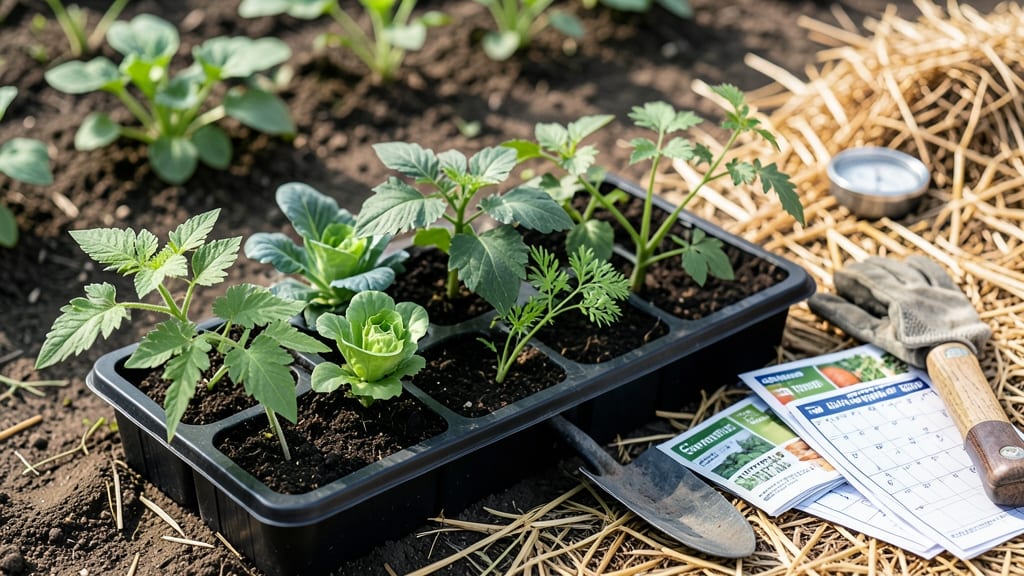
Timing when to plant a vegetable garden in Missouri isn’t just about throwing seeds into the dirt—it’s about beating the clock before those unpredictable spring frosts or scorching summer heat ruin your harvest.
With USDA Zone 5b-6b weather that can swing from icy mornings to 90°F afternoons in a single week, knowing the exact planting windows means the difference between a thriving garden and a sad, wilted disappointment.
Let’s cut through the guesswork: I’ll show you the month-by-month schedule that works for Missouri’s climate, so you can plant lettuce, tomatoes, and peppers at the perfect moment—whether you’re a first-time gardener or a seasoned green thumb.
No more waiting until it’s too late or risking your plants bolting in the heat.
You’ll also discover how to stretch your growing season with simple tricks like row covers and succession planting, plus which fast-growing veggies (like radishes or bush beans) give you the fastest payoff when Missouri’s short window feels too tight.
Ready to turn your backyard into a productive patch of green? Let’s get started.
Missouri’s last frost dates (usually mid-April) and early heat waves (by June) create a tight deadline—so we’ll break down the best crops for each season and how to adjust if Mother Nature throws you a curveball. Your garden’s success starts with the right timing.
Missouri’s planting deadlines by vegetable type (USDA Zone 5b/6a guide)
Missouri’s USDA Zone 5b/6a means your vegetable garden must adapt to late spring frosts and early summer heat. The key to success? Timing your plantings around the average last frost date (mid-April), but with flexibility for Missouri’s unpredictable weather.
Cool-season crops like lettuce and peas thrive in early spring, while tomatoes and peppers need warmer soil to germinate.
For cool-season vegetables, start seeds indoors 4-6 weeks before your last frost date or sow directly 2-4 weeks before. Warm-season crops, however, should wait until 2 weeks after the last frost—typically early May. Missing these windows can stunt growth or invite pests like aphids or blight.
Here’s the breakdown of planting deadlines for Missouri’s most popular vegetables, tailored to your zone’s climate quirks:
| Vegetable | Planting Window | Days to Maturity | Missouri Tip |
|---|---|---|---|
| Lettuce | March–April (spring) or August (fall) | 30–60 days | Use row covers for late spring |
| Peas | March–April (spring) or September (fall) | 50–70 days | Choose early varieties like 'Sugar Snap' |
| Tomatoes | May–June (after last frost) | 60–90 days | Warm soil with black plastic mulch |
| Green Beans | May–June (warm soil) | 50–60 days | Succession plant every 2 weeks |
| Carrots | March–April or August (fall) | 60–80 days | Loosen soil to prevent forking |
| Kale | March–April or August (fall) | 50–65 days | Tolerates light frost; great for fall |
Missouri’s heat zone adjustments are critical. For example, southern Missouri (Zone 6a) can plant 2 weeks earlier than northern areas (Zone 5b). Always check local frost data from the Missouri Botanical Garden or University of Missouri Extension for precision.
If you’re planting warm-season crops like peppers, wait until soil temperatures reach 60°F+. Test with a soil thermometer—cold soil delays germination. For cool-season crops, harden off seedlings gradually to avoid shock from Missouri’s temperature swings.
Pro tip: Use succession planting for fast growers like radishes (25 days) or bush beans (50 days). This extends your harvest window and maximizes space. For example, plant radishes every 2 weeks from March to August.
Missouri’s humidity can also impact planting. Avoid overhead watering before transplanting to prevent fungal diseases like powdery mildew. Instead, water at the base of plants in the morning to allow foliage to dry quickly.
For fall planting, aim for 8–10 weeks before the first frost (mid-October). This gives cool-season crops like spinach or broccoli time to mature before winter sets in. Use black plastic mulch in late summer to warm soil for early fall plantings.
Remember: Missouri’s microclimates vary. A south-facing slope warms faster than a shady valley, so adjust planting dates accordingly. Start with frost-tolerant varieties like 'Coldheart' kale or 'Early Girl' tomatoes for extra insurance.
How to adjust planting times for Missouri’s unpredictable weather patterns
Missouri’s unpredictable spring frosts and early summer heat waves can derail even the most careful gardener’s plans. The key to success? Flexible planting strategies that account for local microclimates and weather quirks.
Unlike more stable climates, Missouri’s USDA Zone 5b/6a demands a proactive approach—think row covers, frost-tolerant varieties, and succession planting to stretch your growing season.
Start by tracking your local last frost date, which typically falls between mid-April and early May. However, don’t rely solely on averages—check the Missouri Botanical Garden’s frost data or local weather stations for real-time updates.
A 5-day frost delay can mean the difference between a thriving garden and a failed crop, especially for warm-season vegetables like tomatoes and peppers.
For cool-season crops such as lettuce, spinach, and peas, begin sowing seeds 4-6 weeks before your last frost date. Use cold frames or row covers to protect tender seedlings from late frosts.
In my garden, I’ve found that radishes and bush beans thrive when planted in early April, even if the soil is still cool. These fast-growing vegetables give me a jumpstart and can be harvested before the heat sets in.
Another trick I swear by is container gardening for heat-sensitive plants. Containers warm up faster in spring but can also be moved to shadier spots during summer heat waves. This flexibility is a game-changer in Missouri’s variable climate.
For example, I grow basil and cilantro in pots on my patio—cilantro bolts in the heat, but the containers let me relocate it to the shade when needed.
Don’t overlook fall planting, either. Missouri’s first frost usually arrives in mid-October, leaving just enough time to sow cool-season crops like kale, spinach, and radishes. These hardy vegetables can withstand light frosts and even taste sweeter after a frost.
I’ve had great success with ‘Winterbor’ kale, which I plant in early September for a harvest straight through winter.
Finally, keep a gardening journal to track your local weather patterns. Note when frosts occur, how long your growing season lasts, and which planting adjustments worked best. Over time, you’ll develop a customized planting schedule tailored to your Missouri microclimate—no more guesswork, just consistent harvests all season long. 🌱