
Planting
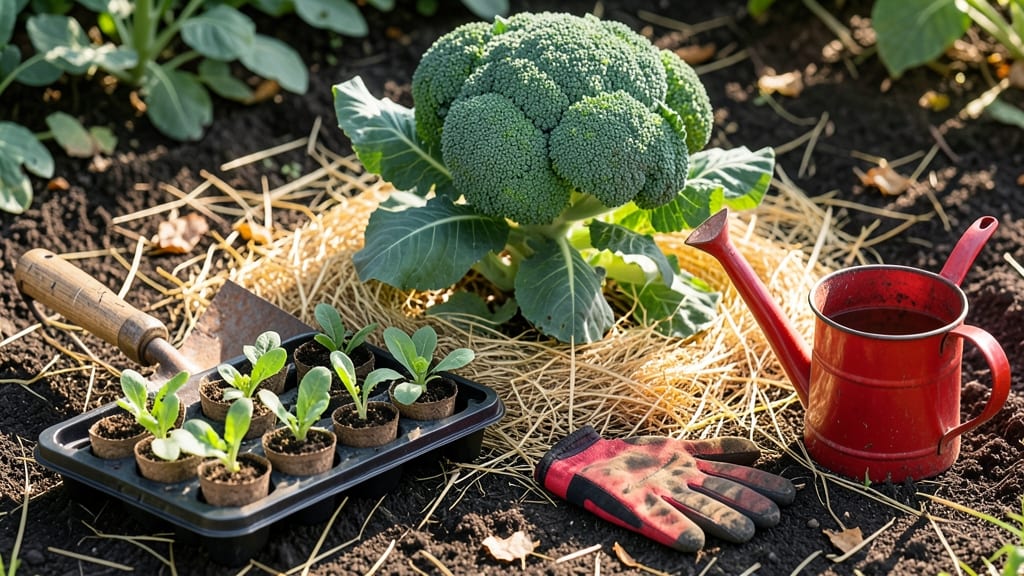
When to plant a fall garden in Missouri can mean the difference between a thriving harvest and frost-bitten disappointment. With Missouri’s unpredictable weather, knowing the exact planting windows for USDA Zones 5b and 6a is your secret weapon for success.
Most gardeners assume fall planting is just about avoiding the first frost, but the real key is understanding when your soil stays warm enough for cool-season crops to thrive.
I’ve tested the best methods over the years, and the right timing can extend your harvest well into winter—even with Missouri’s chilly nights.
Whether you’re growing leafy greens, root vegetables, or hardy herbs, this guide breaks down the ideal planting dates so you can start sowing as early as July (for heat-tolerant varieties) or wait until August for frost-resistant crops. Let’s get your garden ready for a productive fall season!
From preparing your soil to choosing the right varieties, we’ll cover everything you need to know to beat Missouri’s early frosts. Ready to turn your garden into a cool-season powerhouse? Let’s dive in.
Missouri fall planting calendar: exact dates for USDA Zones 5b and 6a
Missouri's fall gardening window is tight, but with precise timing, you can enjoy fresh leafy greens, root vegetables, and cool-season crops until hard frost.
In USDA Zone 5b (northern Missouri), your planting window typically runs from mid-August to early October, while Zone 6a (southern Missouri) extends slightly longer until mid-October. These dates align with soil temperatures dropping below 60°F, signaling it's time for frost-tolerant plants.
The key to success is understanding last frost dates and soil temperature thresholds. In Missouri, the average first frost occurs between October 15-30, depending on elevation and microclimates.
For example, St. Louis (Zone 6a) usually sees frost around October 20, while Kansas City (Zone 5b) may experience it by October 10. Planting too early risks bolting (premature flowering) in heat-sensitive crops like lettuce.
Here’s how to use this calendar: Start by preparing your soil in early August by adding compost and ensuring good drainage. Then, follow the planting windows below, adjusting for your specific location within the state.
Remember, direct-sown seeds (like radishes) can handle cooler soil better than transplants (like broccoli), which need warmer roots.
| Crop Category | Direct-Sown Window (Zone 5b/6a) | Transplant Window (Zone 5b/6a) | Soil Temp Requirement | Notes |
|---|---|---|---|---|
| Leafy Greens (Lettuce, Spinach, Kale) | Aug 15 - Sep 15 | Aug 1 - Sep 1 (Zone 6a) / Jul 25 - Aug 15 (Zone 5b) | 45-65°F | Bolt-resistant varieties like 'Winter Density' lettuce |
| Root Vegetables (Carrots, Radishes, Beets) | Aug 1 - Sep 20 | N/A (Direct-sow only) | 50-70°F | Radishes mature in 25 days—great for succession planting |
| Brassicas (Broccoli, Cabbage, Brussels Sprouts) | Aug 1 - Sep 10 | Jul 15 - Aug 10 (Zone 6a) / Jul 1 - Jul 20 (Zone 5b) | 55-70°F | Transplants need consistent moisture; mulch heavily |
| Herbs (Parsley, Cilantro, Dill) | Aug 15 - Sep 15 | N/A (Direct-sow only) | 50-65°F | Cilantro bolts quickly—harvest seeds before flowering |
| Alliums (Onions, Garlic, Leeks) | Aug 1 - Sep 10 | Jul 15 - Aug 1 (Zone 6a) | 50-60°F | Onion sets can be planted until Oct 1 for spring harvest |
For direct-sown seeds, aim to plant 6-8 weeks before your expected first frost.
For example, if frost hits October 15, sow seeds by September 1 for crops like spinach (30-day maturity) or radishes (25 days). Transplants, like broccoli or cabbage, need even more time—plant them 4-6 weeks before frost to establish strong roots before cold sets in.
Missouri’s so
Best fall crops for Missouri gardeners and how to extend their season
Missouri’s fall garden thrives with cool-season crops that tolerate light frosts and even flourish under crisp air. The key is selecting varieties that mature quickly or can handle 20-25°F temperatures—think kale, spinach, and radishes—while avoiding frost-sensitive plants like tomatoes or peppers.
My top picks for Missouri gardeners balance speed and hardiness, ensuring harvests before winter’s grip tightens.
For maximum yield, pair fast-maturing crops (like bush beans or turnips) with slower growers (such as broccoli or carrots) using succession planting. This technique keeps your harvest table full from September through November.
For example, sow radish seeds every 2 weeks starting in early August—they’re ready in just 25 days!
Extend the season further with low-cost tools like row covers or cold frames. A simple floating row cover can protect tender greens like lettuce from 28°F temps, adding 2-4 weeks to your harvest window.
In my Missouri garden, I’ve used reemay fabric (a lightweight breathable cover) to shield spinach and kale through early December.
🌱 Fast vs. Slow-Maturing Crops
✅ Ready quickly
✅ Multiple harvests
✅ Less space needed
✅ Larger harvests
✅ Better storage life
✅ More flavor development
❌ Shorter season
❌ Smaller yields
❌ Need frequent replanting
❌ Risk of frost damage
❌ Longer wait time
❌ More space required
Don’t overlook herbs and greens that thrive in cool weather. Cilantro and parsley bolt in summer heat but love Missouri’s fall temperatures. I’ve also had great success with Swiss chard, which tolerates 15°F temps and even tastes sweeter after a light frost.
For a foolproof combo, try planting mesclun mix (a blend of baby greens) alongside garlic—both mature well in fall and store beautifully.
To push your garden’s limits, use straw mulch (4-6 inches thick) around root crops like beets and carrots. This insulates soil, keeping roots edible even when air temps dip. In my Zone 5b garden, mulched parsnips have survived until January with minimal protection.
For above-ground plants, a cloche (a simple bell jar or plastic bottle) can shield bok choy from unexpected 25°F drops.
Remember: Missouri’s fall garden is all about working with the season, not against it. Choose frost-tolerant varieties, time your plantings for 90-day harvests before first frost, and use seasonal extensions like row covers.
With these strategies, you’ll enjoy fresh homegrown greens long after your summer tomatoes are gone.