
Planting
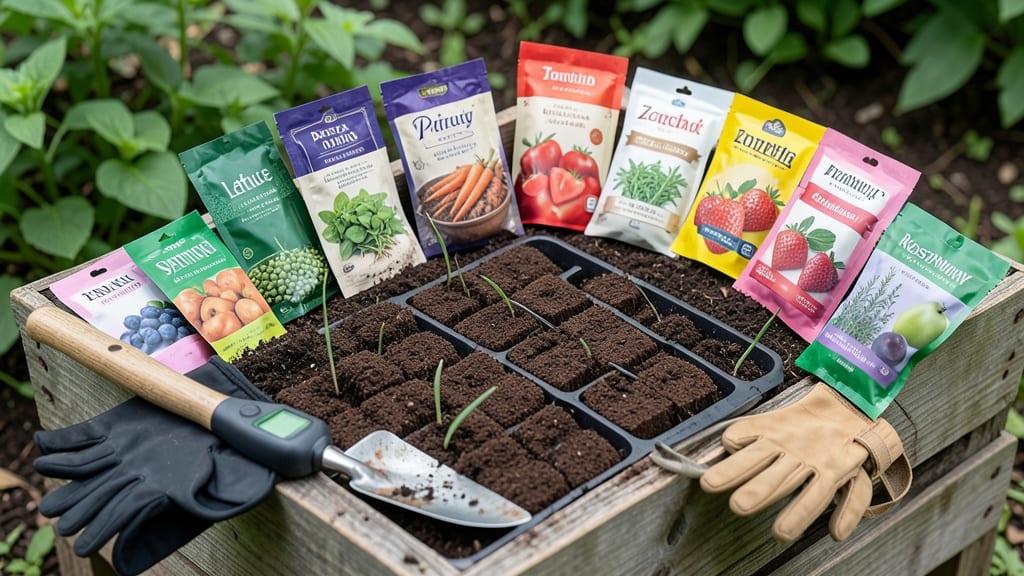
Timing your garden planting in Washington State can make or break your harvest—get it wrong, and you might end up with frost-nipped seedlings or bolting greens before they mature.
The right window depends on whether you're in the rain-soaked Puget Sound, the dry Columbia Basin, or the high-desert chill of Eastern Washington.
I’ve dug into the data to give you the exact deadlines for planting everything from tomatoes to lettuce, so you can avoid costly mistakes. Whether you’re a first-time gardener or a seasoned green thumb, knowing when to plant ensures your 🌱 thrives—and your dinner table stays stocked.
From counting frost-free days to adjusting for microclimates, this guide breaks down the science behind Washington’s planting calendar. You’ll learn how to time your spring starts for maximum growth and even extend your season with smart fall planting strategies.
Ready to grow a garden that outlasts the frost? Let’s get you planting with confidence—no more guesswork, just zero-frost success by county.
Washington State planting deadlines by county: last frost dates for vegetables, flowers, and herbs
Washington State’s last frost dates vary dramatically—from early March in coastal regions like Whatcom County to late May in high-desert areas like Okanogan. These zero-frost windows determine when to plant warm-season crops like tomatoes and peppers, while also guiding cool-season starters such as spinach and peas.
Missing these deadlines can mean frost damage or stunted growth, so let’s break it down by county.
For Puget Sound gardeners, the average last frost date falls between March 15 and April 15, giving you a head start on planting. Meanwhile, Eastern Washington counties like Spokane and Yakima typically see their last frost between May 1 and June 1, requiring later plantings.
The Columbia Basin and Palouse regions often experience frost until late May or early June, making them the latest to plant.
Use this county-by-county guide to align your planting schedule with Washington’s microclimates. Whether you’re growing herbs in Seattle or vegetables in Wenatchee, timing is everything for a thriving garden.
| County | Last Frost Date (Avg.) | Warm-Season Planting Window | Cool-Season Planting Window |
|---|---|---|---|
| Whatcom (Bellingham) | March 15 | April 1 - May 15 | August 1 - September 15 |
| King (Seattle) | March 30 | April 15 - May 30 | August 15 - October 1 |
| Spokane | May 15 | June 1 - July 15 | August 1 - September 15 |
| Yakima | May 10 | May 20 - June 30 | July 15 - August 30 |
| Okanogan | June 1 | June 15 - July 15 | July 1 - August 15 |
| Clallam (Port Angeles) | March 1 | March 15 - April 30 | July 1 - September 15 |
If you’re planting warm-season crops like tomatoes, peppers, or squash, wait until after your county’s last frost date and ensure soil temperatures reach at least 50°F (10°C).
For cool-season crops such as lettuce, spinach, or peas, plant 4-6 weeks before the first frost in fall (typically October 15 to November 15 in most regions).
Pro tip: Check the USDA Plant Hardiness Zone Map for your specific location—Washington spans Zones 6 to 9, which affects planting windows. For example, Zone 6 (Eastern WA) has a shorter growing season than Zone 9 (coastal areas).
Always verify with your local agricultural extension office for real-time updates.
For herbs like basil and cilantro, timing is equally critical. Basil thrives in warm soil and should only be planted after the last frost, while cilantro prefers cooler temperatures and can be sown in early spring or late summer.
Adjust your schedule based on your county’s microclimate—urban areas may experience heat islands that allow earlier plantings.
Always monitor local weather forecasts in the weeks leading up to planting. A late frost can still occur, even after the average date, so keep row covers or cold frames on hand for protection.
This is especially true for high-elevation areas like the Cascade foothills, where frost can linger longer.
Finally, consider succession planting to maximize your harvest. For example, plant radishes every 2 weeks in spring for continuous yields, or stagger lettuce plantings to avoid bolting during hot summer months. With these county-specific deadlines, you’ll be well on your way to a productive Washington garden.
🌱
How to adjust planting timing for Washington’s microclimates: coastal vs. inland strategies
Washington State’s microclimates create dramatic differences in planting success. Coastal areas like San Juan Island enjoy mild winters, while inland Spokane faces harsh freezes. Understanding these variations helps you extend growing seasons and avoid frost damage.
Marine influence near the Pacific coast keeps soil warmer longer, allowing earlier plantings of cool-season crops like lettuce. Meanwhile, inland valleys like the Columbia Basin experience hotter summers and colder winters, requiring adjusted timing for warm-season plants like tomatoes.
Urban areas like Seattle create heat islands where sidewalks and buildings trap warmth. This can push your last frost date 2-3 weeks later than rural areas just 10 miles away. Always check local frost data and adjust your schedule accordingly.
| Region | Last Frost Date | First Frost Date | Key Adjustment |
|---|---|---|---|
| Puget Sound (Seattle) | April 15 - May 1 | October 15 - 20 | Plant cool crops 2 weeks earlier |
| Eastern WA (Spokane) | May 15 - June 1 | September 15 - October 1 | Use row covers for late crops |
| Columbia Basin | May 1 - May 15 | September 30 - October 10 | Extend season with cold frames |
For coastal gardens, start spinach and kale in early March, while inland gardeners should wait until late March. Tomatoes thrive when soil reaches 60°F, which happens 2-3 weeks later in high desert areas like Wenatchee than in Bellingham.
Use row covers to protect tender seedlings from late frosts, especially in Zone 7 areas like Yakima. For fall planting, choose frost-hardy crops like broccoli and carrots 6-8 weeks before your first frost date.
Monitor soil temperatures with a soil thermometer—cool-season crops need 40-50°F, while warm-season crops require 60-70°F. Adjust your planting schedule based on these readings to ensure optimal growth.
🌿