
Planting
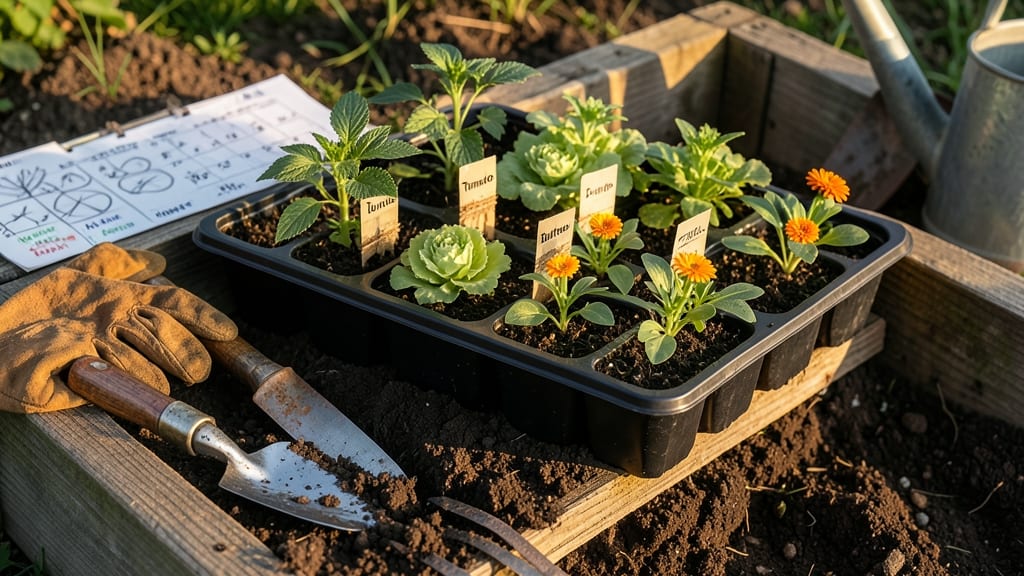
When to plant a garden in Pennsylvania 🌱 could mean the difference between a thriving harvest and wasted seeds—especially in USDA Zones 5b-7a where frost sneaks up when you least expect it.
Pennsylvania’s unpredictable spring makes planting a high-stakes game. One week you’re dreaming of tomatoes, the next you’re scrambling to cover seedlings from a surprise freeze. The key? Knowing exactly when to plant for your region—whether you’re in Philadelphia’s milder microclimate or Pittsburgh’s cooler hills.
In this guide, I’ll break down the perfect planting windows for everything from cool-season greens to heat-loving peppers, plus how to stretch your growing season with simple tricks. No more guessing—just a foolproof schedule tailored to Pennsylvania’s climate quirks.
Ready to turn your garden from "maybe next year" to "this season’s best"? Let’s get those seeds in the ground at the right time—before frost ruins the party.
Pennsylvania planting deadlines by USDA zone 6a/6b: frost-free timing for vegetables, flowers & herbs
Pennsylvania’s USDA Zones 6a and 6b offer a 150-200 frost-free day window—critical for timing your garden right. The last frost date varies by region: Philadelphia averages April 15, while Pittsburgh waits until May 1.
Warm-season crops like tomatoes and peppers need soil temperatures above 60°F to thrive, while cool-season greens (spinach, kale) tolerate light frosts.
Understanding these deadlines prevents frost damage and maximizes harvests. For example, planting beans after May 15 ensures they mature before the first fall frost in late October. Below, I’ve broken down the ideal planting windows for Pennsylvania’s most popular garden staples, including soil prep tips and regional adjustments.
🌱 Pennsylvania Planting Timeline by Crop Type
| Crop Type | Planting Window | Soil Temp | Notes |
|---|---|---|---|
| Cool-Season Veggies (Spinach, Peas, Lettuce) | March 15 - April 30 August 15 - September 15 |
40-50°F | Tolerates light frost; succession plant every 2 weeks. |
| Warm-Season Veggies (Tomatoes, Peppers, Cucumbers) | May 15 - June 15 | 60°F+ | Start indoors 6-8 weeks before last frost; harden off seedlings. |
| Herbs (Basil, Cilantro, Dill) | April 15 - May 10 August 1 - August 15 |
50-60°F | Basil needs warm soil; cilantro bolts in heat—plant in partial shade. |
| Flowers (Marigolds, Zinnias, Sunflowers) | April 30 - June 1 July 15 - August 15 |
55°F+ | Direct sow after frost; deadhead for continuous blooms. |
| Perennials (Daylilies, Coneflowers, Lavender) | April 1 - May 15 | 50°F+ | Plant in early spring for established root growth before summer heat. |
🌡️ Pro Tip: Use a soil thermometer—most seeds need 50-70°F soil to germinate.
For Pittsburgh’s cooler microclimate, delay warm-season planting until May 22 (average last frost). Meanwhile, Philadelphia’s urban heat island effect can push planting dates 1-2 weeks earlier in south-facing beds. Always check the Penn State Extension’s frost date maps for your exact location, as microclimates vary even within counties.
Start cool-season crops indoors in February for a head start. Harden off seedlings by placing them outdoors for 2-3 hours daily starting 2 weeks before transplanting. This gradual adjustment prevents shock and ensures robust growth.
For herbs like basil, wait until soil warms to 60°F—planting too early risks rot from cold, damp soil.
Fall planting offers a second chance for leafy greens and root vegetables. Sow spinach and kale by August 15 to harvest before the first frost. Use row covers to extend harvests into October.
For warm-season crops like tomatoes, opt for early-maturing varieties (e.g., 'Stupice' or 'Patio') planted by June 15 to squeeze in a harvest before frost.
Soil temperature is just as critical as air temperature. Use a soil thermometer to confirm readiness—most warm-season seeds need 60°F+ soil. If temps lag, try black plastic mulch to warm the soil 5-10°F faster.
For cool-season crops, aim for 40-50°F soil to avoid stunted growth. Test your soil’s pH and nutrient levels in early spring—ideal ranges are 6.0-7.
How to extend your Pennsylvania growing season: cold frames, row covers & succession planting hacks
Pennsylvania’s short growing season doesn’t mean you’re limited to summer harvests! With the right strategies, you can push your planting windows by 4-6 weeks earlier in spring and 3-4 weeks later in fall.
These hacks help harden off seedlings, protect tender plants from late frosts, and keep your garden productive well into autumn.
Start by selecting cold-hardy varieties like kale, spinach, and peas for early spring or broccoli, carrots, and lettuce for fall. These thrive in cooler temperatures and extend your harvest timeline naturally. Pair them with protective tools to maximize your garden’s potential.
🌱 Season Extension Tools Comparison
| Tool | Best For | Temp Protection | Ease of Use |
|---|---|---|---|
| Row Covers | Early spring/fall crops | Up to 8°F warmer | Easy (lightweight fabric) |
| Cold Frames | Hardening seedlings | Up to 10°F warmer | Moderate (requires setup) |
| Hoop Houses | Late-season warmth | Up to 15°F warmer | Hard (structural) |
| Cloches | Individual plants | Up to 5°F warmer | Easy (portable) |
💡 Pro Tip: Combine row covers with straw mulch for extra insulation during unexpected frosts.
For spring planting, begin hardening off seedlings 7-10 days before your average last frost date. Place them outdoors in a sheltered spot for 2-3 hours daily, gradually increasing exposure. This prepares them for Pennsylvania’s unpredictable late-May frosts, especially in higher elevations like the Poconos.
In fall, use row covers to protect cool-season crops like kale and carrots until the first frost. Remove covers during the day to allow pollination for crops like broccoli.
Succession planting—sowing new seeds every 2 weeks—keeps your harvest continuous. Try fast-maturing varieties like bush beans or radishes for quick turns.
Leverage microclimates in your yard. South-facing slopes warm up faster in spring, while urban areas with pavement retain heat longer in fall. Plant heat-loving crops like tomatoes and peppers near buildings or dark mulch to extend their season.
Monitor soil temperatures with a soil thermometer—aim for 50°F for cool crops and 60°F+ for warm crops.
With these strategies, you’ll enjoy fresh salad greens in April and harvest tomatoes in October, making the most of Pennsylvania’s growing season. Start small, experiment with one tool at a time, and watch your garden’s productivity soar!