
Plants
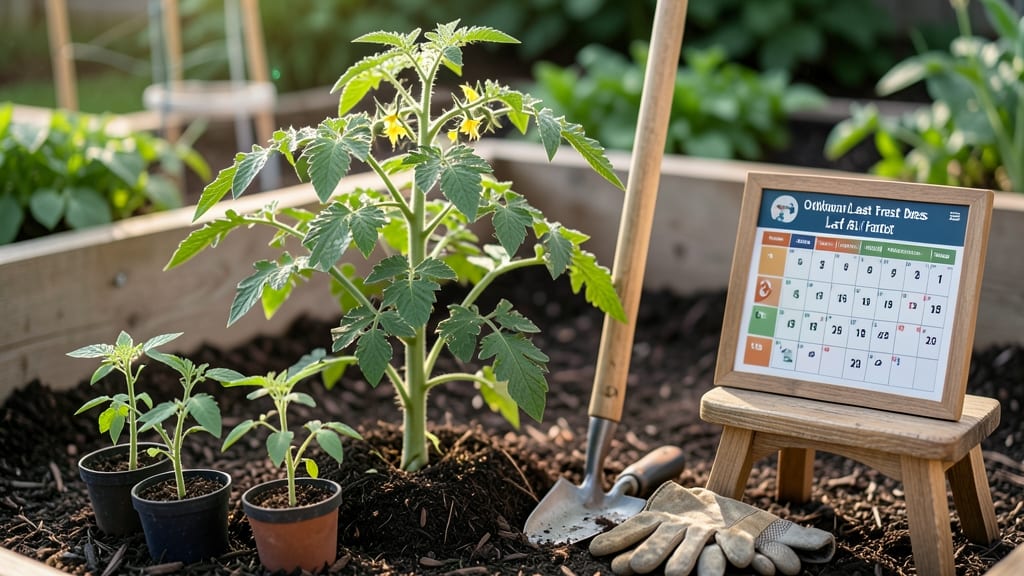
When should you plant tomatoes in Oklahoma? Timing your tomato planting in Oklahoma isn’t just about following a calendar—it’s about beating frost, outsmarting heat waves, and unlocking that 🍅 harvest you’ve been dreaming of. Get the dates wrong, and you might end up with wilted seedlings or fruit that never ripens, no matter how much you water them.
Here’s the truth: Oklahoma’s USDA Zones 6b-7a give you a narrow window—typically mid-April to early June for spring plantings—to get tomatoes in the ground before the last frost bites. But if you’re in the Panhandle, where nights can still dip dangerously low, you’ll need to adjust your strategy.
I’ve seen gardeners in Oklahoma City pull off two harvests a year by planting heat-tolerant varieties in late July for a fall crop, while those in the southeastern part of the state focus on early starts to beat the summer’s relentless sun.
The key? Knowing your county’s frost dates and picking the right varieties for your microclimate.
Let’s break down exactly when to plant—whether you’re starting seeds indoors, transplanting seedlings, or even trying your hand at succession planting to stretch that growing season. You’ll walk away with a timeline tailored to your corner of Oklahoma, so you can finally stop guessing and start growing.
Oklahoma’s last frost dates by county: exact planting windows for tomatoes
Oklahoma’s last frost dates vary dramatically across its USDA Zones 6b-8a, creating a 100+ day window between the Panhandle’s early springs and the Ozark’s later frosts.
For tomatoes—heat-loving plants that need 50+ frost-free days to mature—this means your planting timeline could shift by 6 weeks depending on your county. Let’s break it down by region so you can align your tomato varieties with Oklahoma’s unpredictable climate.
In western Oklahoma (e.g., Cimarron, Texas, and Beaver counties), gardeners often see their last frost by March 15, giving them a head start on early varieties like ‘Early Girl’ or ‘Stupice’.
Meanwhile, in the Arkansas River Valley (e.g., Oklahoma City, Stillwater), the average last frost hovers around April 15, pushing ideal transplant dates to mid-April. Southeast Oklahoma (e.g., Muskogee, Tulsa) can wait until late April or even early May, as frosts linger until April 30.
🌱
📅 Oklahoma Last Frost Dates & Tomato Planting Windows
| Region | Avg. Last Frost | Safe Transplant Window | Best Varieties |
|---|---|---|---|
| Panhandle (Cimarron, TX, Beaver) | March 15 | April 1–15 | ‘Early Girl’, ‘Stupice’ |
| Northwest (Woodward, Woodward) | March 30 | April 15–30 | ‘Mountain Merit’, ‘Celebrity’ |
| Central (OKC, Stillwater) | April 15 | May 1–15 | ‘Better Boy’, ‘Sweet 100’ |
| Southeast (Muskogee, Tulsa) | April 30 | May 15–30 | ‘Cherokee Purple’, ‘Brandywine’ |
| Fall Planting (All Regions) | N/A | July 15–August 15 | ‘Heatmaster’, ‘Solar Fire’ |
Data sourced from Oklahoma State University Extension (2023) and local gardening reports.
For direct-sown seeds (not transplants), add 2–3 weeks to these dates—seeds need 60°F+ soil to germinate. Use a soil thermometer to confirm; if your soil runs cooler, opt for transplants instead.
Pro tip: In cooler regions like Tulsa or Muskogee, start seeds indoors by March 1 to get a jump on the season.
Oklahoma’s first frost typically arrives between October 15 (Panhandle) and November 15 (Southeast), leaving gardeners with a 180–220-day growing window. This means fall planting is viable in most areas—just choose fast-maturing varieties (e.g., ‘Early Girl’) and sow seeds by July 15 for a September–October harvest.
🌡️
Check your local county extension office for 5-year frost averages—some years, like 2021, saw late frosts in May, while 2018 had early frosts by October 1.
If you’re in a high-risk frost zone (e.g., Arkansas River Valley), consider succession planting every 2 weeks from April to June to stretch your harvest.
One critical mistake I see often? Planting too early. Tomatoes hate cold soil—below 50°F, roots stop growing
How heat zones affect tomato planting in Oklahoma: choosing the right varieties
Oklahoma’s diverse heat zones create unique challenges for tomato growers. The Panhandle (Zone 7b-8a) bakes under intense summer heat, while the Southeast (Zone 6b-7a) faces earlier frosts. Choosing the wrong tomato variety can mean poor yields or even plant death.
In hotter zones like the Panhandle, heat-tolerant varieties like ‘Heatmaster’ or ‘Solar Fire’ thrive, while cooler areas benefit from ‘Early Girl’ or ‘Stupice’, which handle shorter seasons better. Your microclimate—urban heat islands, wind exposure, or shaded spots—also matters.
Here’s how to match your Oklahoma zone to the best tomato types:
| Zone | Best Varieties | Planting Window | Key Notes |
|---|---|---|---|
| 6b-7a (Southeast) | ‘Early Girl’, ‘Stupice’, ‘Better Boy’ | April 15–May 15 | Early maturing; frost-sensitive |
| 7b-8a (Panhandle) | ‘Heatmaster’, ‘Solar Fire’, ‘Arkansas Traveler’ | March 1–April 15 | Heat-tolerant; needs shade in peak summer |
| All Zones (Fall) | ‘Celebrity’, ‘Mountain Merit’, ‘Cherry Tomatoes’ | July 15–August 15 | Fast-growing; harvest before frost |
For urban gardeners in Oklahoma City or Tulsa, consider container growing with heat-resistant varieties. Black plastic mulch can raise soil temps by 5–10°F, extending the season in cooler zones. Always check seed packets for days-to-maturity—aim for 60–70 days in shorter seasons.
If you’re in Zone 8a (like parts of the Panhandle), you can even try year-round production with shade cloth during summer. Just monitor soil moisture closely—Oklahoma’s dry winds dry out plants fast.
Pro tip: Start seeds 6–8 weeks before your last frost date. Use grow lights if your indoor setup lacks sunlight, and harden off seedlings gradually to avoid transplant shock.