
Plants
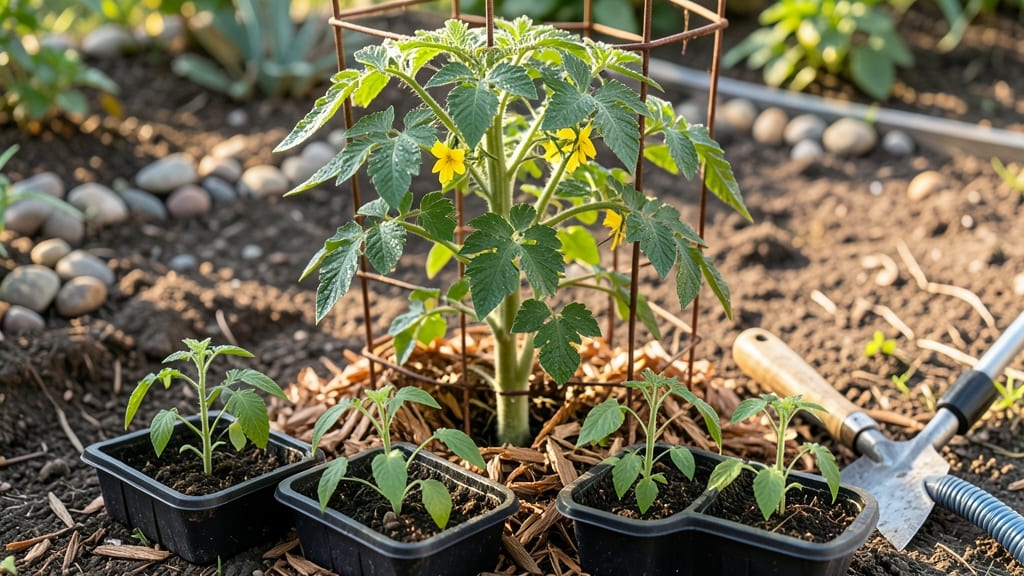
If you’ve ever wondered when you should plant tomatoes in Florida to avoid leggy seedlings and wasted effort, you’re not alone—Florida’s heat zones make timing everything. Planting tomatoes at the wrong moment means wasted effort, but getting it right unlocks a season of vine-ripened rewards.
The key lies in understanding your specific heat zone and avoiding those temperature traps that trigger early flowering.
Florida’s climate is a gardener’s double-edged sword: too early, and frost or cool snaps ruin seedlings; too late, and summer’s relentless sun forces tomatoes to bolt before they bear fruit.
For USDA zones 8a-11, the ideal windows are February-March for spring varieties and August-September for fall harvests—but even these dates shift depending on whether you’re in the Panhandle or the Keys.
What separates successful Florida tomato growers from the rest? It’s not just about the calendar—it’s about soil warmth, shade strategies, and variety selection. I’ll break down the exact start dates for each zone, plus how to stretch your growing season without risking bolting.
Ready to turn your garden into a tomato powerhouse?
Let’s dive into the science behind Florida’s planting windows so you can finally enjoy those juicy, homegrown 🍅 without the guesswork. Whether you’re a seasoned gardener or a first-timer, these insights will save you time, money, and a whole lot of frustration.
Florida heat zone planting calendar: exact start dates to avoid premature bolting
Florida’s 11 heat zones (8A–10A) create wildly different tomato-growing conditions—what works in Miami’s Zone 10A fails in Jacksonville’s Zone 8B. The key? Planting when soil temps hit 60°F+ and nighttime temps stay above 50°F, or your seedlings will bolt (flower prematurely) before fruiting.
Below is your zone-specific calendar for zero-bolt success.
For spring planting, aim for February–March in cooler zones (8A–9A) and January–February in warmer zones (9B–10A). Fall planting shifts to August–September to escape summer’s brutal heat. Transplant seedlings (not direct sow) for faster, more reliable results—Florida’s short growing season demands a head start.
🌱
| Heat Zone | Spring Planting Window | Fall Planting Window | Soil Temp Threshold | Key Risk |
|---|---|---|---|---|
| 8A (North FL: Jacksonville) | Feb 15–Mar 15 | Aug 1–Sep 15 | 60°F+ | Late frost |
| 9A (Gainesville) | Jan 30–Feb 28 | Jul 20–Aug 30 | 62°F+ | Heat stress |
| 9B (Orlando) | Jan 15–Feb 15 | Jul 1–Aug 15 | 65°F+ | Humidity |
| 10A (Tampa) | Dec 15–Jan 31 | Jun 15–Jul 31 | 68°F+ | Pests |
| 10B (Miami) | Nov 1–Dec 15 | May 15–Jun 30 | 70°F+ | None |
Pro tip: Use a soil thermometer to confirm temps—cool mornings can delay planting by weeks. In Zone 10A, you can even plant year-round with shade cloth during peak summer heat (90°F+). For Zone 8A–9A, prioritize early-maturing varieties (50–60 days to harvest) to beat frost.
Direct sowing is risky in Florida—seedlings need 6–8 weeks indoors under grow lights before transplanting. Start seeds in January for spring crops or June for fall. Use biodegradable pots to avoid root disturbance during transplanting.
🌿
Watch for heat stress signs like yellowing leaves or curled foliage after transplanting. If temps spike to 95°F+, provide 30% shade cloth for 2–3 weeks until plants acclimate. Mulch heavily (straw or black plastic) to keep roots cool and retain moisture—Florida’s sandy soils dry out fast.
For fall planting, time it so seedlings mature before first frost (November in North FL, rare in South FL). In Zone 10A, you can push into late September for a winter harvest, but use row covers for protection.
☀️
How to adjust planting times for Florida’s microclimates and soil conditions
Florida’s climate isn’t one-size-fits-all—your tomato planting window can shift dramatically just miles away. Urban heat islands in Miami or Tampa can push safe planting dates 2-3 weeks earlier than rural areas, while coastal humidity in Jacksonville demands different soil prep.
Even sandy soil in Fort Myers drains faster than clay-heavy soil in Gainesville, forcing adjustments to watering and mulching strategies.
Microclimates also play a role. A shady backyard under tall oak trees might delay planting by 1-2 weeks compared to a sun-drenched raised bed.
If your garden sits in a low-lying area, cooler nighttime temps could extend your fall planting window into October, while elevated spots might see earlier heat stress. Always test your soil’s temperature—it should hit 60°F+ before transplanting seedlings.
🚨 CRITICAL ADJUSTMENTS FOR MICROCLIMATES 🚨
Soil type dictates your success rate. Sandy soil warms faster but drains water quickly, so amend with compost or coconut coir to retain moisture. Clay soil, common in North Florida, stays cooler longer but can suffocate roots—mix in perlite or vermiculite for aeration. A simple soil test (pH 6.0–6.8) will reveal if you need lime (to raise pH) or sulfur (to lower pH) before planting.
For urban gardeners, container growing offers flexibility. Black plastic pots absorb heat faster, letting you plant 1-2 weeks earlier than ground soil. Use self-watering containers to maintain consistent moisture, and place pots on reflective surfaces (gravel, light-colored mulch) to reduce heat stress.
If you’re in South Florida (Zone 10A), consider winter tomatoes (like ‘Solar Fire’) planted in September–October to avoid summer’s extreme heat.
Extending your harvest window requires strategy. In North Florida (Zones 8A–9A), use row covers in late fall to protect plants from early frosts (as late as November in some areas). For South Florida, succession planting every 2 weeks from January–March ensures a steady supply.
Always monitor weather forecasts—a cold front can drop temps 20°F in 24 hours, so have row covers or frost blankets ready.
Pro tip: Mulch heavily with straw or wood chips to keep soil temps stable. This reduces watering needs by 30% and prevents soil-borne diseases by blocking splash from irrigation. Pair mulch with drip irrigation set to early morning to maximize absorption and minimize fungal risks.
With these adjustments, you can harvest tomatoes year-round in Florida—even in the hottest zones.