
Plants
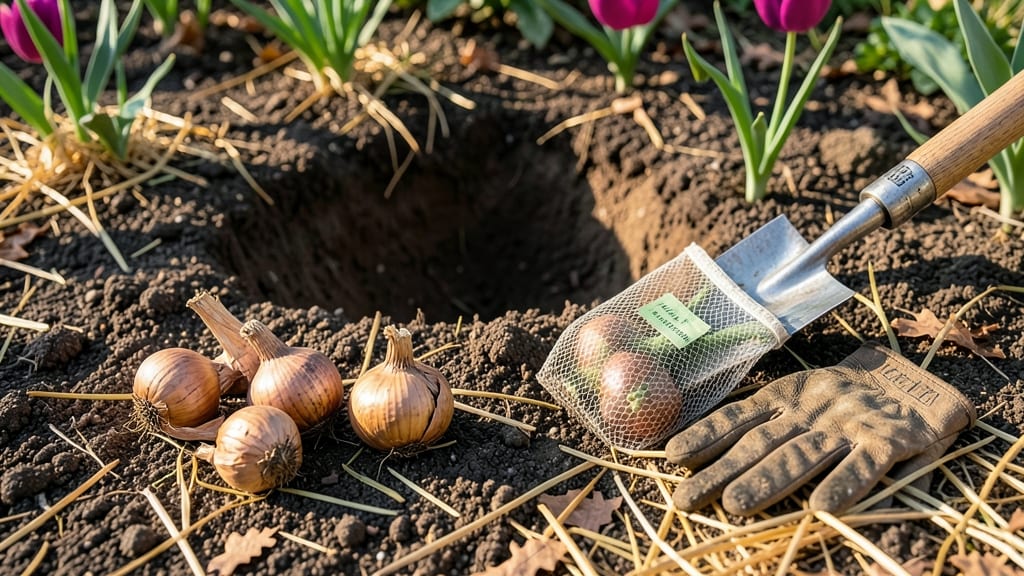
Planting tulips in Oklahoma might seem tricky with its unpredictable winters, but timing is everything for those vibrant 🌷 blooms you love.
The key lies in understanding your specific USDA zone—whether you're in 6b or 8a—and planting bulbs 4-6 weeks before the ground freezes, usually between October and November.
Why does timing matter so much? Because tulips need a period of cold to bloom properly, but they also can't sit in soggy soil waiting for winter.
In Oklahoma, where first frosts can arrive as early as mid-October in northern zones or as late as mid-November in southern regions, knowing your exact window makes all the difference.
I'll show you exactly how to adjust for your county's microclimate—whether you're in Oklahoma City, Tulsa, or the western panhandle—so you can plant with confidence. Plus, I'll share which tulip varieties thrive best in Oklahoma's mild winters and how to prepare your soil for success.
Ready to transform your garden into a springtime spectacle? Let's dive into the perfect planting schedule tailored just for Oklahoma's unique growing conditions.
Oklahoma county planting zones: best months for tulip bulbs by region
Oklahoma’s climate varies dramatically from the panhandle’s arid plains to the humid eastern forests, making tulip planting timing critical. The state spans USDA zones 6b to 8a, with first frost dates ranging from mid-October in the north to mid-November in the south.
To maximize blooms, align your planting with your local frost patterns and soil temperature thresholds of 40-50°F—the sweet spot for tulip bulb dormancy.
In northern Oklahoma (zones 6b-7a), like Oklahoma City and Tulsa, aim to plant tulips between mid-October and early November. These areas experience earlier frosts and colder winters, so bulbs need time to establish roots before the ground freezes.
For central Oklahoma (zone 7b), including Lawton and Stillwater, extend your window to late October through mid-November, as frosts arrive slightly later.
Southern Oklahoma (zones 7b-8a), such as Tulsa’s southern suburbs and the Arkansas border, can plant tulips as late as mid-November, thanks to milder winters. However, avoid planting after Thanksgiving, as bulbs may not root deeply enough before winter sets in.
The western panhandle (zone 7a), with its dry climate, requires earlier planting (mid-October) to prevent soil from drying out too quickly.
| Region | USDA Zone | Ideal Planting Window | First Frost Avg. | Key Tip |
|---|---|---|---|---|
| Northern OK (Oklahoma City, Tulsa) | 6b-7a | Mid-October – Early November | Mid-October | Plant 6 weeks before frost |
| Central OK (Lawton, Stillwater) | 7b | Late October – Mid-November | Late October | Use mulch to insulate bulbs |
| Southern OK (Tulsa South, Ark. Border) | 7b-8a | Mid-November (latest) | Mid-November | Avoid planting after Thanksgiving |
| Western Panhandle (Amarillo, Guymon) | 7a | Mid-October (earlier due to dryness) | Early October | Water deeply after planting |
Microclimates within counties can shift planting windows by 1-2 weeks. For example, urban areas like Oklahoma City may experience earlier frosts due to the urban heat island effect, while rural areas might have later frosts.
Check your local NOAA frost data or use a soil thermometer to confirm when temperatures consistently drop below 50°F at night. This ensures bulbs root before winter sets in.
If you’re unsure about your exact frost date, err on the earlier side—tulip bulbs can handle brief exposure to cold but will rot if planted in warm, soggy soil.
For container gardening, plant tulips 2-3 weeks earlier than in-ground bulbs, as pots cool faster in cold weather. Use black plastic mulch in early fall to warm the soil and extend your planting window by 7-10 days in cooler microclimates.
Pro tip: Mark your calendar for October 15th as your deadline in most of Oklahoma. After this date, bulbs may not establish roots before the ground freezes, leading to poor blooms or no flowers the following spring.
If you miss the window, hold off until next fall—tulips won’t thrive if planted in spring or summer.
For gardeners in transition zones (e.g., zone 7a/7b borders), consider low-chill tulip varieties like ‘Darwin Hybrid’ or ‘Fosteriana’, which tolerate shorter cold periods. These varieties can bloom even if winters are mild or inconsistent, making them ideal for Oklahoma’s variable climate.
Always pair your planting timing with the right bulb type** for your zone to guarantee success.
🌷
How to time tulip planting for Oklahoma’s frost patterns: a 5-Step guide
Oklahoma’s first frost dates vary wildly—from mid-October in northern zones to late November in the southern panhandle. To nail your tulip planting window, you’ll need to work backward from your local frost date while accounting for soil temperature thresholds (ideal: 40-50°F).
Here’s how I do it every year without fail.
Start by checking your county’s average first frost date using the NOAA Climate Data tool. For example, Oklahoma City (Zone 7a) typically sees frost by October 30, while Tulsa (Zone 7b) holds off until November 5.
Subtract 6 weeks from this date—this gives you your ideal planting window. For Tulsa, that’s mid-September.
Next, verify your soil temperature using a soil thermometer (available at garden centers for ~$15). Tulip bulbs need 40-50°F soil to root properly. If your soil is still warm above 55°F, wait a week or two—hot soil can scorch bulbs before they establish roots.
- Step 1: Find your county’s first frost date (NOAA or local extension office).
- Step 2: Subtract 6 weeks to get your planting window.
- Step 3: Test soil temperature—wait if >55°F.
- Step 4: Plant 6-8 inches deep, 4-6 inches apart.
- Step 5: Mulch with 2-3 inches of straw after planting.
Once you’ve confirmed the timing, plant your tulip bulbs 6-8 inches deep—deeper in sandy soils (like those in western Oklahoma) and shallower in clay-heavy soils (common in eastern counties). Space them 4-6 inches apart to allow airflow and reduce fungal diseases like gray mold.
After planting, cover the area with 2-3 inches of straw mulch. This insulates bulbs during early freezes and prevents soil heaving (when frozen soil pushes bulbs too close to the surface). In Zone 8a areas (like Lawton), you can even plant as late as early December—just mulch heavily.
Pro tip: Mark your planting spots with biodegradable flags so you don’t accidentally dig them up in spring. Tulips need 6-8 weeks of cold to bloom, so if you’re in a mild-winter zone (like southern Oklahoma), choose zero-chill varieties like ‘Darwin Hybrid’ or ‘Fosteriana’ for reliable blooms.