
Plants
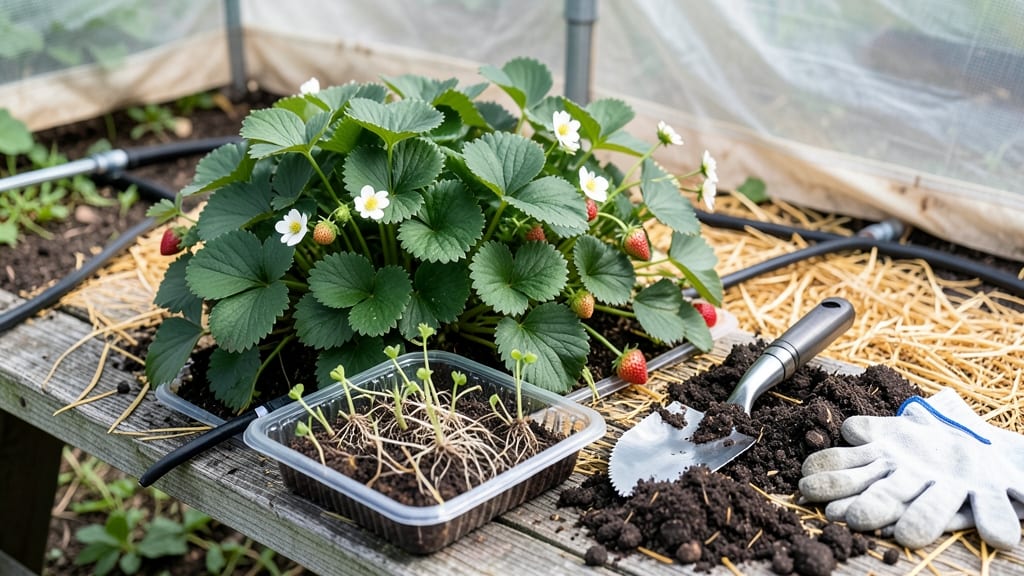
If you've ever dreamed of planting the best time to pick fresh, juicy 🍓 strawberries straight from your Texas garden, timing is everything—and getting it wrong could mean losing your entire crop to either frost or scorching heat.
The best time to plant strawberries in Texas isn't the same as in cooler climates, and skipping these key months could leave your plants struggling. Whether you're growing June-bearing or everbearing varieties, understanding Texas' unique heat zones is the secret to a thriving harvest.
In this guide, I'll break down the perfect planting windows for your region, from soil prep to avoiding common Texas pitfalls like heat stress. Let's make sure your strawberries get the start they deserve in 2024.
You'll discover how to time your planting for zero frost risk, adjust for summer heat, and keep your berries productive all season long—no guesswork required.
Texas heat zones explained: ideal planting months by region
Texas stretches across three distinct heat zones, each with unique frost risks and planting windows. The North Texas Panhandle (Zone 1) faces harsh winters, while Central Texas (Zone 2) and South Texas (Zone 3) enjoy milder conditions.
Understanding these zones helps you avoid late-spring frosts or summer heat stress—both deadly for strawberries.
For June-bearing varieties, timing is critical: plant in late February to early March in Zone 1 to beat frost, while everbearing types thrive with staggered plantings from October to November in Zones 2-3. Texas A&M Extension recommends waiting until soil reaches 60°F—use a soil thermometer to confirm readiness.
Visual Tip: Check your zone using the Texas A&M Planting Map—it’s color-coded for clarity. Zone 1 gardeners should prioritize cold-hardy varieties like 'Chandler,' while Zone 3 growers can extend harvests with day-neutral types like 'Seascape.'
| Texas Heat Zone | USDA Zone | Best Planting Window | Key Considerations |
|---|---|---|---|
| Zone 1 (North) | 7b-8a | Late Feb–Early Mar (June-bearing) or Oct–Nov (everbearing) | Frost risk until April; use row covers. |
| Zone 2 (Central) | 8a-9a | Oct–Nov (fall) or Feb (spring) | Milder winters; prioritize shade in summer. |
| Zone 3 (South) | 9a-10a | Sep–Oct or Feb–Mar | Year-round growth possible; mulch heavily. |
🌱 Pro Tip: Zone 3 gardeners can plant two crops annually—spring and fall!
In Zone 1, I’ve seen strawberries bolt to flower in March if planted too early—always wait for stable 60°F soil temps. For Zones 2-3, fall planting (September-October) is ideal because cooler temps reduce heat stress and pest pressure.
Texas’ microclimates add complexity: Hill Country areas may need 2 weeks earlier than Austin, while Gulf Coast regions can plant year-round. Test your local conditions by monitoring average last frost dates—the Texas State Climatologist provides free data.
For container growers, timing shifts slightly: plant 4-6 weeks earlier than in-ground beds since pots warm faster. Use black plastic mulch to accelerate soil warming in Zone 1—this can shave 2-3 weeks off your planting window.
Remember: Everbearing varieties (like 'Tristar') produce two harvests—spring and fall—if planted in Zone 2-3. In Zone 1, focus on June-bearing types for a single, high-yield harvest.
If you’re in East Texas (Zone 2a), aim for October 15 plantings—this gives roots time to establish before winter rains arrive. West Texas (Zone 1) gardeners should avoid April plantings due to sudden heat spikes.
🌡️ Critical Alert: Strawberries stop fruiting when temps exceed 90°F. In Zone 3, use shade cloth (30-50%) during June-August to protect plants.
Pro tips for planting strawberries in Texas heat: soil, water, and shade strategies
Texas summers are no joke for strawberries—100°F+ temps can turn your plants into crispy heat victims if you don’t plan ahead. But with the right soil prep and watering hacks, you can grow thriving berries even in the Lone Star State’s brutal climate.
The key? Mimicking their natural cooler, shaded habitats.
Start by amending your clay-heavy Texas soil with organic matter like compost or aged manure. Strawberries hate soggy roots but also can’t tolerate dry spells—aim for well-draining yet moisture-retentive soil.
A 2-inch layer of mulch (straw or pine needles) locks in humidity and blocks weeds, saving you 30% less watering over summer.
🌱 Key Takeaway: Texas Strawberry Survival Guide
- Soil: Amend with 30% compost + sand for drainage
- Water: Deep soak early morning (avoid wetting leaves)
- Shade: Use 30-50% shade cloth for June-August
- Fertilizer: Balanced 10-10-10 at planting + monthly
"Texas strawberries thrive with consistent moisture and afternoon shade—think of them as desert oases!"
When watering, drip irrigation is your best friend—it delivers moisture directly to roots without wetting foliage (which causes fungal diseases like gray mold). Water deeply 2-3 times per week rather than daily shallow sprinkles. For container-grown strawberries, check soil moisture daily—containers dry out 50% faster in Texas heat.
Shade is non-negotiable during peak summer. A lightweight shade cloth (30-50%) draped over plants for afternoon hours prevents sunburned leaves and keeps berries from turning leathery. Alternatively, plant under dwarf fruit trees or near your house’s north-facing wall for natural shade.
Don’t forget about everbearing varieties like ‘Albion’ or ‘Seascape’—they handle heat better than June-bearing types. These varieties produce two harvests per year (spring and fall) and bounce back faster from summer stress. For June-bearers, focus on fall planting to avoid the worst heat.
Finally, monitor for heat stress signs: curled leaves, yellowing edges, or stunted growth. If you see these, immediately increase shade and reduce watering frequency slightly—overwatering in heat is just as deadly as underwatering. With these adjustments, your strawberries will outlast Texas summers like a pro.
🌿