
Plants
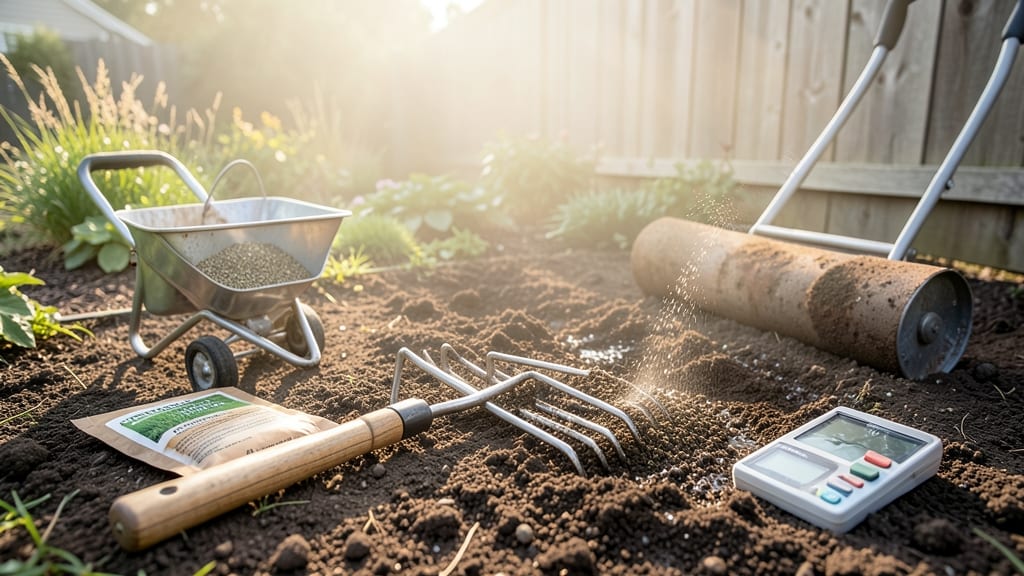
Timing your Grass Seed (Turfgrass) 🌱 planting just right in the fall could mean the difference between a lush, green lawn next spring and a patchy, struggling yard.
The best time to plant isn't just about picking a random weekend in September—it's about understanding how soil temperatures, regional climates, and even your local frost date all play a role.
Fall offers the perfect window for grass seed because cooler air temperatures keep weeds at bay while still allowing your new grass to establish strong roots before winter sets in.
But if you plant too early, you might face drought stress, and if you wait too long, frost can halt germination entirely. The key is finding that sweet spot—typically 4-6 weeks before your first frost—when conditions are just right.
Whether you're in the cooler northern regions where frost arrives earlier or the milder southern climates with later freezes, the ideal planting window shifts. I'll break down exactly when to plant based on your specific zone, plus the soil temperature secrets that make all the difference for successful germination.
Ready to transform your lawn? Let's dive into the science and practical tips that will help you plant at the perfect moment for a thick, healthy lawn that starts strong and stays that way all season long.
Optimal fall planting windows by soil temperature (not calendar dates)
Planting grass seed in the fall isn’t just about picking a month—it’s about soil temperatures between 50–65°F.
This range gives seeds the perfect balance of warmth to germinate and cool air to reduce drought stress. Northern climates should aim for early September, while Southern regions can push until late October. Always check your local frost dates, too!
Why? Grass roots need time to establish before winter dormancy. If you plant too early, seeds may dry out; too late, and frost will kill them before sprouting. The ideal window is 4–6 weeks before the first frost, but soil temp is the real clock, not the calendar.
Here’s how to test your soil temperature: Stick a soil thermometer 2–3 inches deep in the ground. If it reads below 50°F, wait. Above 65°F? You’re too late for fall planting. This simple step saves money and frustration.
Regional differences matter. USDA Zone 3–5 (cold climates) should plant by mid-September, while Zone 7–9 (warmer areas) can go until November. Microclimates—like shaded spots or south-facing slopes—also shift timing by 1–2 weeks.
Pro tip: Use a weather app with frost alerts to track your local first frost date. Count backward 4–6 weeks, then verify soil temps. This two-step process ensures you’re planting at the perfect moment, not guessing.
🌱
| Region | USDA Zone | Ideal Planting Window | Soil Temp Range | Key Consideration |
|---|---|---|---|---|
| Northern (Cold Climates) | 3–5 | Early Sept–Mid-Sept | 50–60°F | Short growing season; prioritize early planting |
| Transition (Moderate) | 6–7 | Mid-Sept–Early Oct | 55–65°F | Balanced temps; watch for early frosts |
| Southern (Warm Climates) | 8–10 | Late Sept–Late Oct | 60–65°F | Longer window; avoid drought stress |
| Mountain/High Altitude | 4–6 | Late Aug–Early Sept | 45–55°F | Cooler soils; plant earlier |
Adjust your timing based on your local microclimate. A south-facing slope warms faster than a shaded yard, so you might plant 1–2 weeks later in shaded areas. If your soil stays warm longer, extend your window—but never plant when nighttime temps drop below 40°F.
For cool-season grasses (like Kentucky bluegrass or fescue), fall is ideal because they thrive in cooler weather. Warm-season grasses (like Bermuda or Zoysia) should be planted in late spring or early summer, not fall. Know your grass type!
Once you’ve nailed the timing, prep your soil by aerating and adding compost to improve drainage. This ensures seeds get the nutrients they need to germinate quickly. A well-prepped lawn is half the battle.
💧
Optimal fall planting windows by soil temperature (not calendar dates)
Your grass seed 🌱 won’t care about the calendar—it cares about soil temperature. The sweet spot for germination is between 50–65°F, where seeds wake up but weeds stay dormant. This range typically falls in late summer to early fall, but exact timing varies by region.
Northern climates (Zones 3–5) should aim for mid-September to early October, while Southern regions (Zones 7–9) can plant as late as November.
Why soil temp matters more than dates: Cool air slows germination, but warm soil (60–65°F) speeds root growth. If your soil is too hot (>75°F), seeds dry out; too cold (<45°F), they rot.
Use a soil thermometer ($10 at garden centers) to check daily—plant when temps hold steady in that 50–65°F window for 5+ days.
🌱 Fall Planting Windows by Region & Soil Temp
| Region | USDA Zone | Ideal Soil Temp | Planting Window | Key Tip |
|---|---|---|---|---|
| Northern | 3–5 | 50–55°F | Mid-Sept–Early Oct | Use cool-season blends (e.g., Kentucky bluegrass) |
| Transition | 6–7 | 55–60°F | Late Sept–Mid Oct | Test soil pH (6.0–7.0) before planting |
| Southern | 8–10 | 60–65°F | Oct–Early Nov | Choose warm-season mixes (e.g., tall fescue) |
🌡️ Pro Tip: Morning soil temps are 5–10°F cooler than afternoon—check in the AM for accuracy.
Adjust for your microclimate: Shady spots stay cooler longer, so plant 2 weeks later than sunny areas. Coastal regions with mild winters can extend planting into December, while inland areas should stop by October 15th to avoid frost risk.
Always check your local frost date (USDA Plant Hardiness Zone Map) and plant 4–6 weeks before the first expected frost.
If your soil runs too hot (>70°F) in early fall, wait—seeds will dry out before germinating. A quick fix: Lightly mulch with straw to cool the soil and retain moisture. Conversely, if temps drop below 50°F too soon, consider a row cover to buy 2–3 extra weeks of growing time.
Don’t rely on calendar months alone—soil temperature is your true guide. For example, I planted tall fescue in my Zone 7 garden on October 1st last year, but soil temps were only 48°F—germination stalled until a warm snap 10 days later.
Lesson learned: Wait for consistency, not just the date.
Once you’ve nailed the timing, focus on preparation: Loosen soil 4–6 inches deep, rake out debris, and level the area. The goal? Create a cool, moist, weed-free bed where your grass seed can thrive without competition.
With the right soil temp and prep, your lawn will establish roots deep enough to outlast winter and burst green next spring.