
Plants
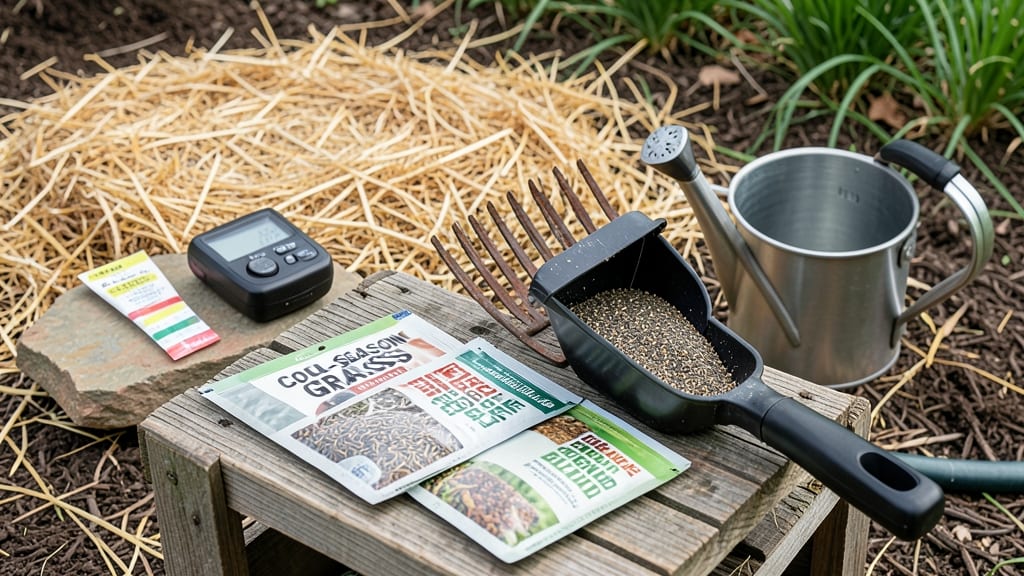
If you’ve ever stared at a patchy lawn and wondered when is the best time to plant grass seed in New Jersey, you’re not alone. The Garden State’s shifting seasons—from chilly springs to sweltering summers—can turn seeding into a high-stakes guessing game.
But here’s the secret: timing isn’t just about the calendar; it’s about understanding your microclimate, whether you’re battling coastal winds or inland humidity.
Spring and fall are your two best shots at success, but NJ’s 6a-7b zones demand precision. Plant too early, and frost will nip your 🌱 seedlings in the bud. Too late, and summer’s heat will dry them out before roots take hold.
I’ll break down the science behind NJ’s ideal windows—plus how to prep your soil and pick the right seed for your yard’s unique challenges.
Let’s cut through the confusion. You’ll learn exactly when to sow for stronger roots, how to read your local weather like a pro, and the simple steps to keep your lawn thriving year-round. No more second-guessing—just a lush, green result.
Ready to transform your lawn? The clock’s ticking, and the best time to start is now—before the next rain or heatwave rolls in.
New Jersey’s ideal grass-seeding window: spring vs fall climate breakdown
New Jersey’s cool-season climate (USDA zones 6a-7b) creates a unique challenge for grass seeders. The state’s humidity fluctuations and microclimates—from coastal breezes to inland heat—mean your timing must account for both temperature ranges and rainfall patterns.
For cool-season grasses like tall fescue or Kentucky bluegrass, the ideal window is early spring (March-April) or early fall (September-October), when soil temps hover between 50°F–65°F and moisture levels are consistent.
Warm-season grasses like Bermuda or Zoysia prefer late spring (May-June) when soil temps exceed 65°F. However, these varieties struggle in NJ’s hot summers and often go dormant by September.
The key is aligning your seed choice with your region’s last frost date—typically mid-April in northern NJ and early April in southern coastal areas.
Coastal NJ (e.g., Cape May, Atlantic City) enjoys milder winters and higher humidity, delaying spring planting until late March to avoid fungal risks from prolonged dampness. Inland areas (e.g., Newark, Trenton) can plant 2–3 weeks earlier thanks to warmer daytime temps and lower humidity. Always check your local USDA zone—southern NJ (zone 7b) has a longer growing season than northern NJ (zone 6a).
Here’s the climate-driven breakdown of NJ’s grass-seeding windows, tailored to your region’s unique conditions:
Fall planting in NJ offers cooler soil temps and steady rainfall, reducing watering demands and weed competition. Seeds sown in September have 6–8 weeks to establish roots before winter dormancy, while spring plantings must germinate quickly to outpace summer heat.
Pro tip: Use a soil thermometer—ideal germination temps for cool-season grasses are 50°F–65°F, while warm-season grasses need 65°F–75°F.
New Jersey’s coastal areas benefit from delayed fall planting (up to November 1 in zone 7b) due to milder winters, but inland regions should finish by October 15 to avoid early frost.
Always monitor your local National Weather Service forecasts—unpredictable nor’easters can disrupt germination, especially in March or November.
For warm-season grasses, plant after Memorial Day (late May) when soil temps consistently stay above 65°F. These grasses thrive in NJ’s summer heat but go dormant in winter, so fall seeding is risky.
If you’re repairing a lawn in July or August, opt for hydrilla or centipede grass, which tolerate high heat and low moisture.
Regardless of season, avoid planting during extreme weather: heatwaves (>90°F), prolonged rain (>1 inch/week), or drought conditions. NJ’s humidity can also promote fungal diseases like brown patch or dollar spot, so always choose disease-resistant seed varieties like ‘Barlexas’ tall fescue or ‘Midnight’ Kentucky bluegrass.
Timing isn’t just about months—it’s about microclimates. A shady backyard in Princeton may need <
New Jersey’s ideal grass-seeding window: spring vs fall climate breakdown
New Jersey’s cool-season grasses like tall fescue and Kentucky bluegrass thrive when planted during early spring or fall, but the Garden State’s microclimates create dramatic differences between northern and southern regions.
Coastal areas like Cape May enjoy milder winters, while inland zones near the Delaware River face harsher frosts—both factors that shift optimal planting windows by 3-4 weeks.
For spring planting, aim for March to early May once soil temperatures hit 50°F and stay above freezing. Fall’s ideal window stretches from mid-September to October, giving seeds time to establish roots before winter dormancy. Missing these windows risks poor germination from summer heat or winter freeze.
🌱 New Jersey Grass-Seeding Timing Comparison
| Season | Best Months | Soil Temp | Key Consideration |
|---|---|---|---|
| Spring | March–Early May | 50–65°F | Avoid late spring heat stress |
| Fall | Mid-Sept–Oct | 60–70°F | Prevent winter kill |
| Coastal NJ | April–June | 55–70°F | Milder winters extend window |
| Inland NJ | March & Sept–Oct | 45–60°F | Harsher frosts limit summer planting |
Northern NJ’s USDA Zone 6a (e.g., Sussex County) demands earlier spring planting (late March) to beat frost, while southern NJ’s Zone 7b (e.g., Atlantic City) can wait until mid-April.
Fall planting in northern areas must finish by October 15th to avoid winter damage, whereas southern regions can extend to November 1st.
Warm-season grasses like Bermuda or Zoysia (less common in NJ) should only be planted in late spring after soil reaches 65°F—but these struggle in NJ’s winters. Stick to cool-season varieties for year-round success, and always check your local Cooperative Extension Service for frost date updates.
Pro tip: Use a soil thermometer to confirm ideal temps—50°F for spring, 60°F for fall. Planting too early risks frost heave, while waiting too long invites weeds and heat stress. Timing is your secret weapon against NJ’s unpredictable weather.
🌿