
Companion Plants
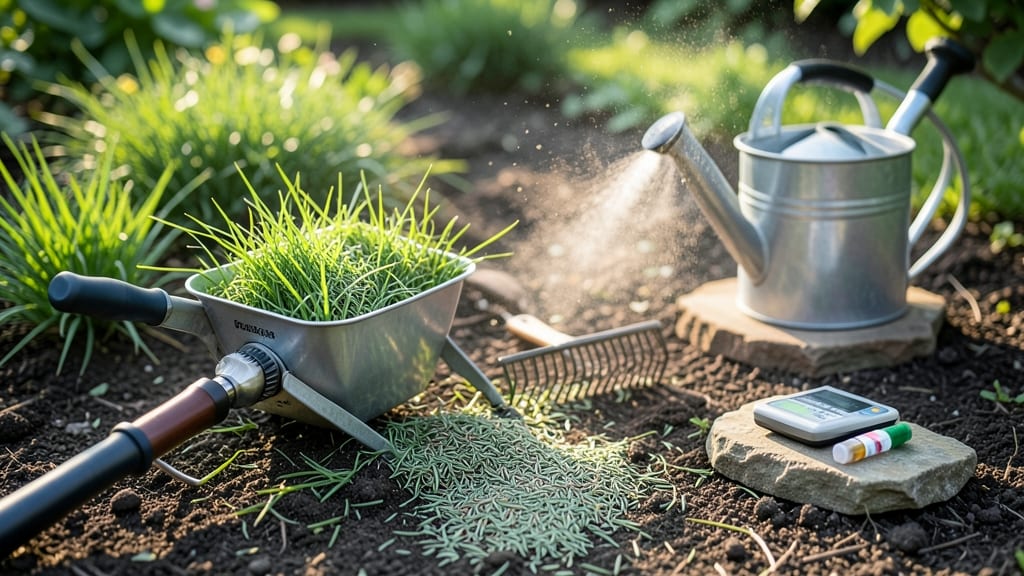
Planting your Grass Seed (Turfgrass) 🌱 at the wrong time in fall can mean weak roots, patchy growth, or even wasted seed—so timing isn’t just important, it’s everything.
The difference between a lush lawn next spring and a frustrating do-over often comes down to those 4-6 weeks before frost that create the perfect window for cool-season grasses to take hold.
I’ve seen firsthand how a few weeks’ difference can transform a seed packet into either a thriving lawn or a sad investment.
Whether you’re overseeding an existing yard or establishing a brand-new one, understanding your region’s frost dates and soil temperatures is the key to success—especially in Zone 6a, where fall’s fleeting window demands precision.
In this guide, I’ll break down exactly when to plant in your area, how to adjust for early or late falls, and the 5 critical factors that determine whether your grass will thrive or struggle. No more guesswork—just a clear timeline to help you get it right the first time.
Let’s make sure your fall planting sets up your lawn for a stronger, greener spring, not another season of frustration.
Optimal fall grass seed planting dates by US climate Zones
Cool-season grasses like Kentucky bluegrass, tall fescue, and perennial ryegrass rely on fall's mild temperatures to establish deep roots before winter. Planting too early or late can lead to weak growth or seed washout.
The ideal window is 4-6 weeks before your first frost, but exact dates vary by USDA hardiness zone.
Northern regions (Zones 3-5) have shorter growing seasons, so aim for mid-August to early October. Southern areas (Zones 7-10) can extend planting until late November, but avoid planting when daytime temps exceed 85°F—this stresses young seedlings. Let's break down the perfect timing for each zone.
| USDA Zone | First Frost Date | Optimal Planting Window | Soil Temp Goal (°F) | Grass Types |
|---|---|---|---|---|
| 3-4 | Mid-September | Late July to early September | 60-75°F | Tall fescue, fine fescue |
| 5-6 | Late October | Mid-August to mid-September | 65-70°F | Kentucky bluegrass, perennial ryegrass |
| 7-8 | Mid-November | Late August to early October | 70-75°F | Tall fescue, Bermuda grass (warm-season) |
| 9-10 | Late December | September to early November | 75-80°F | St. Augustine, Zoysia (warm-season) |
For example, if you live in Zone 5 (like Chicago or Minneapolis), aim to plant between mid-August and mid-September. In Zone 9 (like Los Angeles or Phoenix), you can push planting until early November—but only if daytime temps stay below 85°F.
Always check your local first frost date using the USDA Plant Hardiness Zone Map.
Pro tip: Use a soil thermometer to confirm temps are between 60-75°F at 4-inch depth. If soil is too warm, young grass roots can dry out before winter dormancy sets in. Cool-season grasses need this temperature range to germinate properly and establish strong root systems.
If you're overseeding an existing lawn, follow the same timing rules—but reduce seed rates by 25-50% since you're filling in gaps, not starting fresh.
For new lawns, use the full recommended seeding rate for your grass type to ensure full coverage. Perennial ryegrass, for instance, germinates faster than tall fescue, so it’s ideal for late-season planting.
Don’t forget to account for daylight hours, which shorten in fall. Grass needs 6-8 hours of sunlight daily for photosynthesis, so avoid planting in shady areas where fall shadows lengthen. If your lawn has partial shade, choose fine fescue or shade-tolerant Kentucky bluegrass varieties.
Finally, check your local rainfall predictions for the next 6 weeks. If heavy rains are forecasted, delay planting until conditions dry out—waterlogged soil prevents proper seed-to-soil contact and can cause seed rot. In drought-prone areas, irrigate lightly daily for the first 2 weeks to keep seeds moist until germination.
For warm-season grasses (like Bermuda or Zoysia), fall planting is still possible in Zones 7-10, but focus on late summer to early fall (August-September) when soil temps start cooling. These grasses go dormant in winter, so they don’t need the same root establishment window as cool-season types.
How to adjust your planting timeline for late or early falls
Fall weather can be unpredictable—sometimes it arrives early with unseasonably cool temperatures, or late with lingering summer heat. If your local forecast doesn’t match the "ideal" planting window, don’t panic. With the right adjustments, you can still establish a healthy lawn even when timing feels off.
First, check your soil temperature—it’s the most reliable indicator. Cool-season grasses like tall fescue and Kentucky bluegrass need soil temps between 60°F and 75°F for optimal germination.
If your soil is still too warm (above 80°F), wait until temps drop naturally or use shade cloth to cool the area.
For late falls, consider using slow-release or coated seeds, which can handle slightly cooler soil temps. These seeds stay dormant longer, giving them extra time to germinate before winter sets in.
Alternatively, opt for annual ryegrass, which germinates faster in cooler conditions and can bridge the gap until spring.
If you miss the fall window entirely, don’t despair—spring planting is still an option. However, spring lawns often struggle with weed competition and drought stress, so prioritize soil prep (tilling, amending with compost) and consistent watering to give your grass a fighting chance.
Pro tip: Use a soil thermometer (just $10 at garden centers) to track temps weekly. Aim to plant when soil is 65°F or below—this sweet spot ensures roots establish before winter dormancy. Even a 10-day delay can make a huge difference in germination rates.
Remember, the goal is root establishment, not just green blades. Grass planted too late may not have time to develop deep roots before winter, leaving it vulnerable to freeze-thaw cycles and spring browning.
When in doubt, err on the side of waiting—patience pays off with a thicker, greener lawn next season. 🌱