
Plants
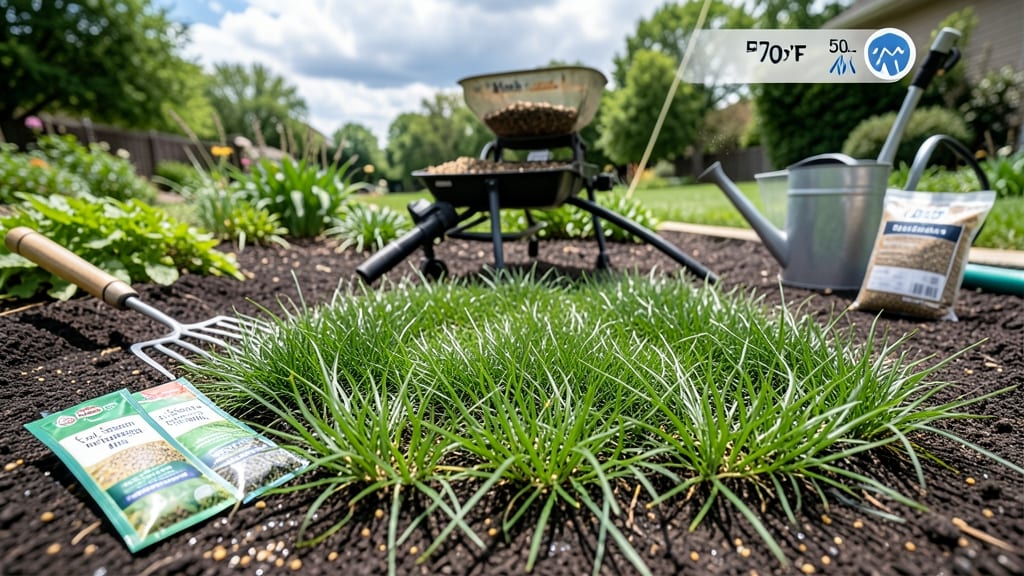
The best time to plant grass seed in Illinois could mean the difference between a patchy yard and a lush, frost-resistant lawn that lasts all season. With USDA zones 5b-6b bringing unpredictable spring freezes and early fall chills, timing is everything for cool-season grasses like Kentucky Bluegrass and Tall Fescue.
You might assume spring is the only window, but early fall (September-October) often delivers better results—warmer soil, cooler air, and fewer weeds. That said, early spring (March-April) still works if you act fast before temperatures climb.
Let’s break down the science behind these windows and how to avoid common mistakes that ruin even the best-laid plans.
Whether you're seeding a new lawn or overseeding an existing one, getting the timing right means faster germination and stronger roots before winter sets in. I’ll walk you through the ideal conditions, soil prep, and watering schedules to ensure your 🌱 grass seed thrives—no matter which season you choose.
Skip the guesswork: learn the exact steps to plant at the perfect moment, from checking soil temps to adjusting for Illinois’ northern vs. southern climate quirks. Your future lawn will thank you.
Optimal Illinois grass seed planting windows: cool season timing explained
Illinois' cool-season climate (USDA Zones 5b-6b) creates perfect conditions for Kentucky Bluegrass and Tall Fescue—but timing is everything. Plant too early, and frost will kill tender sprouts.
Too late, and weeds steal nutrients. The ideal windows are early spring (March-April) and early fall (September-October), when soil temps hover between 50-65°F.
Northern Illinois (Zones 5b) has earlier frost dates (first frost: Mid-October), while southern Illinois (Zone 6b) enjoys 2-3 extra weeks of growing season. This means northern gardeners should plant grass seed by late August**, while southerners can extend to early September.
The key is planting 6-8 weeks before the first frost to allow roots to establish before winter.
Here’s why these windows work: Cool-season grasses thrive when daytime temps are 60-75°F and nights stay above 40°F. Spring planting gives seeds 6-8 weeks of warm soil before summer heat arrives, while fall planting lets grass grow roots before winter dormancy.
Both strategies avoid the competition from summer weeds that chokes out new seedlings.
🌱
| Planting Window | Soil Temp | Frost Risk | Best For |
|---|---|---|---|
| Early Spring (March-April) | 50-65°F | Low (post-last frost) | Northern IL (Zones 5b) |
| Early Fall (Sept-Oct) | 55-70°F | Moderate (6-8 wks before frost) | Southern IL (Zones 6b) |
| Late Spring (May) | 60-75°F | High (weed competition) | Risky (unless using pre-emergent) |
| Late Fall (Nov) | Below 50°F | Very High (frost kills seeds) | Avoid |
For northern Illinois, aim to plant Kentucky Bluegrass by April 15 in spring or September 1 in fall. Southern Illinois gardeners can extend fall planting to October 15 thanks to later frosts.
Use a soil thermometer to confirm temps are above 50°F—seeds won’t germinate in cooler soil, no matter the calendar date.
Pro tip: Tall Fescue germinates faster than Kentucky Bluegrass (7-10 days vs. 14-21 days), making it a better choice for late-spring plantings if you miss the ideal window. However, it still benefits from fall establishment for deeper root growth before winter.
Missed the window? Don’t despair—overseeding in late summer (August) can thicken existing lawns. Just use a low-nitrogen fertilizer (10-0-10) to avoid burning tender grass.
☀️
Optimal Illinois grass seed planting windows: cool season timing explained
Illinois' cool-season climate (USDA Zones 5b-6b) means the best times to plant grass seed are during early fall and early spring.
These windows align with soil temperatures of 50-65°F (10-18°C), ideal for germination of Kentucky Bluegrass and Tall Fescue, the most common cool-season grasses in the state.
Northern Illinois (e.g., Chicago) has slightly earlier frost dates than southern regions (e.g., Springfield), so adjust your planting schedule accordingly. For example, northern areas should aim for mid-September fall planting, while southern Illinois can extend to late October.
🌱
| Planting Window | Best Timeframe | Soil Temp | Key Benefit |
|---|---|---|---|
| Early Spring | Mid-March to early April | 50-60°F (10-15°C) | Avoids summer heat stress |
| Early Fall | Mid-September to early October | 60-65°F (15-18°C) | Grass establishes before winter |
| Avoid These Times | Late spring (May-June) or late fall (November) | >75°F or <40°F | High failure risk |
Fall planting is often preferred because cooler temperatures reduce weed competition and water stress. Grass seeds sown in fall have 6-8 weeks of growing season before winter dormancy, allowing roots to establish deeply. Spring planting, however, gives your lawn a head start for summer use.
Check your local average last frost date (typically mid-April in Illinois) and plant 4-6 weeks before to ensure seedlings aren't caught by late frosts. Use a soil thermometer to confirm temperatures are ideal—below 50°F delays germination.
For northern Illinois, aim for September 15-October 15 in fall, while southern Illinois can extend to October 31. Spring planting should wrap up by April 15 to avoid summer drought stress.
🌿