
Flowers
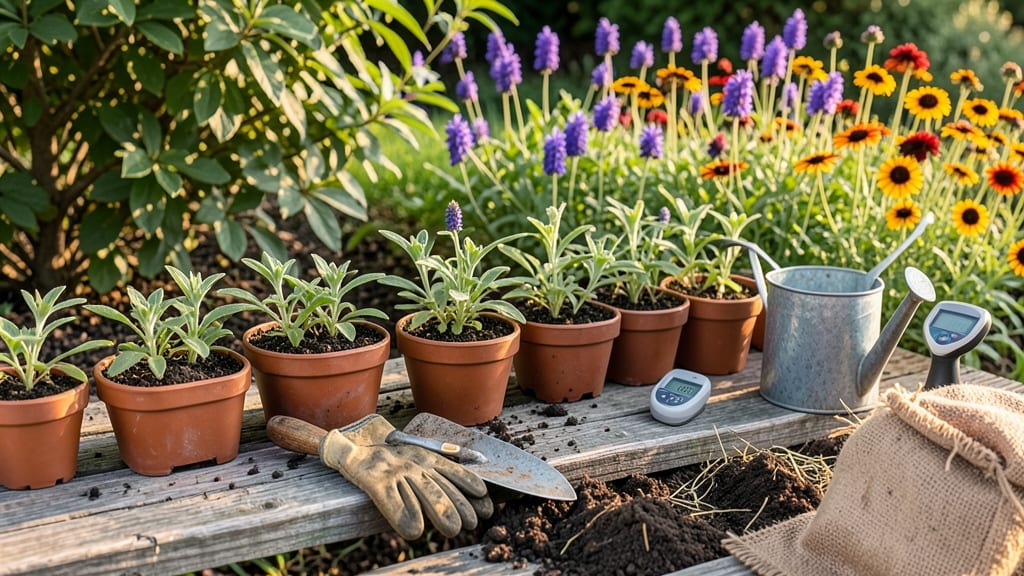
If you’ve ever wondered when is the best time to plant flowers in Colorado—despite your best efforts—timing might be the missing piece of the puzzle.
The best time to plant flowers in Colorado’s USDA Zones 5-7 isn’t just about picking a season; it’s about syncing with the state’s unpredictable frost dates, soil warmth, and regional microclimates.
Whether you’re a first-time gardener or a seasoned green thumb, getting this right means the difference between a garden that bursts with color and one that fizzles out by summer.
I’ll break down the exact windows for planting annuals, perennials, and cold-hardy varieties—so you can skip the guesswork and start your garden off strong.
From the Front Range’s milder springs to the Western Slope’s earlier frost dates, Colorado’s diverse climate demands a tailored approach. You’ll discover how to work with your local conditions, from soil prep to protecting tender blooms, ensuring your garden stays vibrant from spring through fall.
Ready to turn your Colorado yard into a blooming paradise? Let’s dive into the perfect planting schedule for flowers that will wow you—and your neighbors—all season long.
Colorado flower planting calendar by season: exact months for USDA Zones 5-7
Colorado’s USDA Zones 5-7 create a unique gardening challenge with rapid temperature shifts and elevation-driven microclimates. The Front Range (Denver, Boulder) typically follows Zone 5-6 timing, while the Western Slope (Grand Junction) leans toward Zone 6-7.
Understanding these zones helps you avoid late spring frosts or early fall freezes that can devastate tender blooms.
For annual flowers, the ideal planting window is March 15–May 15 (spring) or August 15–September 15 (fall). Perennials and cold-hardy bulbs can often be planted as early as March, but wait until after the last frost date (typically April 15 in lower elevations) for heat-loving varieties like marigolds or zinnias.
Here’s your Colorado-specific planting calendar broken down by season, including soil temperature thresholds and regional adjustments:
| Season | Planting Window | Soil Temp Threshold | Best Plants | Regional Notes |
|---|---|---|---|---|
| Early Spring (March) | March 15–April 1 | 40–50°F (4–10°C) | Tulips, daffodils, bleeding heart, columbine | Zone 5 areas: wait until after March 1; higher elevations (Zone 4) delay until April 15. |
| Late Spring (April–May) | April 15–May 15 | 50–60°F (10–15°C) | Petunias, snapdragons, cosmos, coneflowers | Front Range: Plant after April 15; Western Slope can start 2 weeks earlier due to warmer microclimates. |
| Summer (June–July) | June 1–July 15 | 60°F+ (15°C+) | Sunflowers, zinnias, marigolds, lantana | Focus on succession planting for continuous blooms. High-elevation gardens (above 7,000 ft) may need shade cloth for heat-sensitive varieties. |
| Fall (August–September) | August 15–September 15 | 50–60°F (10–15°C) | Chrysanthemums, pansies, ornamental kale, asters | Zone 7 areas (e.g., Pueblo) can plant until October 1; Zone 5 areas stop by September 1. |
| Winter (October–February) | N/A (Dormant Season) | N/A | Bulbs (tulips, daffodils), hardy perennials | Plant bulbs in fall (October) for spring blooms. Use mulch to protect perennials from freeze-thaw cycles. |
Colorado’s elevation-driven microclimates mean your neighbor’s Zone 6 garden might have 2–3 weeks earlier planting windows than yours. For example, Denver (Zone 5b) typically waits until April 20 for tender annuals, while Grand Junction (Zone 6b) can start March 25.
Always check your local last frost date—use resources like the Colorado State University Extension or Almanac’s Frost Calculator.
Another critical factor is soil temperature. Most annual flowers need soil to warm to
Best flowers to plant in Colorado by hardiness and bloom time
Colorado’s diverse climate means some flowers thrive in early spring’s cool air, while others need summer’s warmth to bloom. I’ve curated top-performing varieties that handle USDA Zones 5-7 like pros, from frost-resistant columbines to heat-loving coneflowers.
These picks align with Colorado’s 120-180 frost-free days, ensuring year-round color with minimal fuss.
For spring bloomers, prioritize columbines (Aquilegia) and bleeding hearts (Dicentra)—they brave late frosts and dry soils better than most. Plant these March 15–April 15 when soil hits 50°F (10°C). Their moderate water needs make them perfect for Colorado’s arid conditions.
🌸 Top Colorado Flowers by Season
- 🌱 Early Spring: Columbines, Bleeding Hearts, Lungwort (March–May)
- ☀️ Summer: Coneflowers, Black-Eyed Susans, Lavender (June–August)
- 🍂 Fall/Winter: Chrysanthemums, Ornamental Kale, Pansies (September–November)
Summer’s 90°F+ heat demands drought-tolerant stars like coneflowers (Echinacea) and black-eyed Susans (Rudbeckia). These perennials flourish with 6+ hours of sun and deep watering every 2–3 days. Plant them May 1–June 15 after the last frost, and they’ll reward you with months of blooms.
Fall brings chrysanthemums (mums) and ornamental kale, both cold-hardy and colorful until snow flies. Mums thrive in partial shade and well-draining soil, while kale adds textural interest even in freezing temps. Plant these August 15–September 15 for late-season drama.
Pro tip: Succession plant annuals like marigolds every 2–3 weeks from May–July to keep your garden blooming until frost. Pair them with perennials like sedum, which stores water in its leaves—ideal for Colorado’s dry spells.
For urban gardeners, container-friendly picks like pansies and petunias thrive in pots with morning sun. Just ensure pots have drainage holes and use moisture-retentive soil to combat Colorado’s wind and evaporation.