
Plants
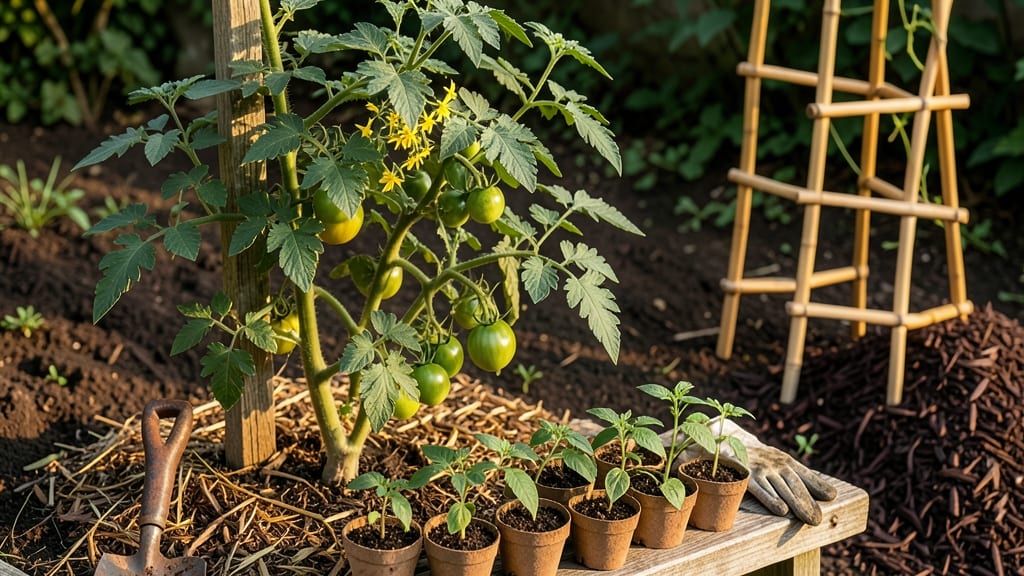
When do you plant tomatoes in North Carolina? Timing your 🍅 tomato planting isn’t just about following a calendar—it’s about outsmarting the state’s unpredictable frost dates and sweltering summers.
Get the window wrong, and your plants might bolt before fruiting or freeze before harvest, leaving you with empty vines instead of juicy rewards.
Most gardeners in NC’s 7a-8b zones know the golden rule: wait until after the last frost, typically between April 15 and May 15 for spring planting. But here’s the catch—soil temperature matters just as much as air temperature.
Your 🍅 tomatoes won’t thrive until the ground warms to at least 60°F, which can take weeks longer in the cooler Piedmont than in the warmer Coastal Plain.
Then there’s the fall option, where August through September plantings can yield tomatoes well into November—if you play your cards right. The key is balancing heat tolerance with frost risk, and knowing when to use row covers or mulch to buy extra time.
Whether you’re a first-time gardener or a seasoned pro, getting this timing right could mean the difference between a bountiful harvest and a disappointing flop.
In this guide, I’ll break down the exact windows for your region, plus pro tips to extend your growing season and avoid common mistakes. Let’s turn those 🍅 tomatoes into a reliable crop—no guesswork required.
NC frost dates & best tomato planting windows by region
North Carolina’s diverse climate—from the humid Coastal Plain to the cooler Appalachian Mountains—means tomato planting windows vary dramatically by region. Getting the timing right is critical, as frost-sensitive tomatoes need warm soil (60°F+) and consistent nighttime temps above 50°F to thrive.
Let’s break down the optimal planting windows for each NC region, so you can avoid late frosts or heat stress that stunts growth.
Most NC gardeners focus on spring planting (April–May), but fall tomatoes (August–September) can also produce a bountiful harvest before the first frost. The key is understanding your USDA hardiness zone (NC spans 6b–8a) and local frost dates.
For example, the Coastal Plain (Zone 8a) has a longer growing season (240+ frost-free days), while the Mountains (Zone 6b) only get about 200 frost-free days, leaving less room for error.
NC Tomato Planting Windows by Region
| Region | USDA Zone | Last Frost Date | Spring Planting Window | Fall Planting Window | Frost-Free Days |
|---|---|---|---|---|---|
| Coastal Plain | 8a | March 20–April 5 | April 1–May 15 | August 15–September 15 | 240+ days |
| Piedmont | 7b | April 1–April 15 | April 15–May 10 | August 1–September 1 | 220–230 days |
| Mountains | 6b | April 15–May 1 | May 1–May 20 | July 15–August 1 | 200–210 days |
*Planting times are for transplants; start seeds indoors 6–8 weeks earlier.
If you’re planting from seeds indoors, start them 6–8 weeks before your region’s last frost date. For the Coastal Plain, this means sowing seeds by February 15, while Mountains gardeners should begin by March 1.
Use grow lights or a sunny windowsill to ensure strong seedlings before transplanting outdoors.
For direct-sown seeds, wait until soil temperatures hit 60°F—use a soil thermometer to check. In NC, this typically aligns with late April to early May for most regions. Black plastic mulch can warm soil by 5–10°F, giving you an earlier start if needed.
Just remove it once plants are established to avoid overheating roots.
One common mistake is planting too early in cooler zones (like the Mountains). Tomatoes grown in chilly soil develop poor root systems and are more susceptible to disease. Always monitor nighttime temperatures—if they dip below 50°F, protect seedlings with row covers or move pots indoors temporarily.
Pro tip: Use heat-tolerant varieties like ‘Celebrity’ or ‘Solar Fire’ for late spring/early summer planting, as they handle NC’s humid summers better than traditional types. For fall planting, opt for early-maturing varieties like ‘Stupice’ (70 days) to ensure harvest before frost.
Remember, succession planting can extend your harvest. After your first spring planting, sow a second batch 4–6 weeks later to stagger fruit production. This works especially well in Zone 8a areas where summers are long and hot.
Spring vs. fall tomatoes in NC: pros, cons & survival tips
Deciding between spring and fall tomato planting in North Carolina isn’t just about timing—it’s about survival. Spring tomatoes face late frosts and heat stress, while fall tomatoes risk early freezes and disease pressure.
Each season offers unique advantages, but knowing the trade-offs helps you maximize your harvest. Let’s break down the pros and cons to help you choose the best strategy for your garden.
Spring-planted tomatoes have a longer growing season, often producing fruit from June through October. However, they’re vulnerable to unpredictable frost and blossom-end rot if soil moisture fluctuates.
Fall tomatoes, planted in August or early September, avoid early-season pests and diseases but must mature quickly before first frost (typically mid-October). The key? Selecting the right varieties and using protective measures.
For spring planting, opt for early-maturing varieties like ‘Celebrity’ or ‘Better Boy’ to beat the heat. These thrive in 60–85°F soil temps and can handle North Carolina’s humid summers.
In contrast, fall tomatoes benefit from heat-tolerant hybrids like ‘Solar Fire’ or ‘Heatmaster,’ which resist wilting and disease in late-season warmth. Both approaches require careful planning to avoid common pitfalls.
Spring Tomatoes
- Longer harvest window
- Lower disease pressure early
- More sun exposure
- Risk of late frost
- Blossom-end rot risk
- Heat stress in summer
Fall Tomatoes
- Avoids early pests
- Cooler temps reduce stress
- Second harvest opportunity
- Early frost threat
- Limited growing time
- Higher disease risk
To succeed with spring tomatoes, start seeds indoors by mid-March and transplant after the last frost (typically mid-April). Use black plastic mulch to warm the soil faster and reduce weeds.
For fall tomatoes, transplant heat-tolerant varieties by August 1 and protect young plants with row covers if nights dip below 50°F. Both strategies require consistent watering and balanced fertilization to prevent stress.
Succession planting is another smart tactic. In spring, stagger transplants every 2–3 weeks to extend the harvest. In fall, plant fast-maturing varieties like ‘Patio’ or ‘Tiny Tim’ for a quick turnaround.
Just remember: soil temperature is critical—tomatoes won’t thrive in cold soil, even if air temps are warm. Use a soil thermometer to confirm 60°F+ before planting.
One often-overlooked tip? Prune aggressively in late summer to redirect energy toward fruit production rather than foliage. This is especially important for fall tomatoes, where every day counts. Combine this with drip irrigation to keep foliage dry and reduce disease risk.
With the right approach, you can enjoy two tomato harvests per year in North Carolina—just balance the risks and rewards of each season.