
Plants
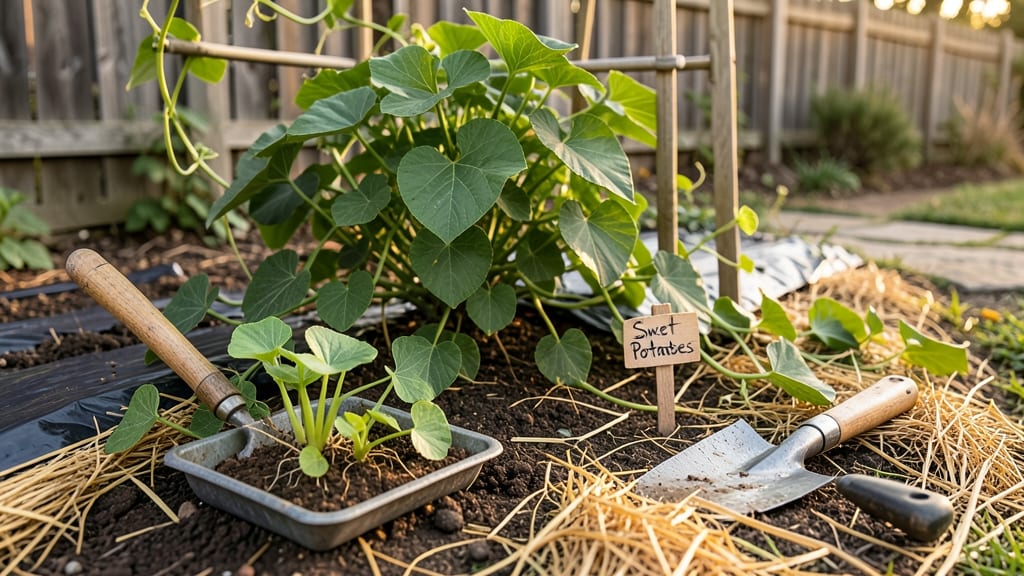
When do you plant sweet potatoes in North Carolina? Timing your 🍠 sweet potato planting can make or break your harvest—because one wrong move, and frost turns your potential bounty into a sad, shriveled mess. The key? Waiting until the soil warms to 65°F and all frost risk has vanished, typically between late May and early June in zones 7a-8b.
I’ve learned the hard way that rushing these heat-loving tubers leads to stunted growth or worse. But here’s the good news: once you nail the window, you’re set for a 90-140 day growing season that rewards patience with sweet, starchy payoffs.
Whether you’re a first-timer or a seasoned gardener, this guide breaks down the exact steps to plant slips (not seeds) and prep your soil for zero-frost success.
We’ll cover regional tweaks—coastal areas vs. Piedmont hills—so you know when to plant for your specific microclimate. Plus, I’ll share the top NC-friendly varieties that thrive in your zone, because not all sweet potatoes are created equal. Ready to turn your garden into a sweet potato powerhouse?
Let’s dive into the step-by-step timeline that’ll have you harvesting before the first frost hits. No guesswork, just results—because your future self (and your taste buds) will thank you.
North Carolina planting zones for sweet potatoes: USDA heat Zone guide
North Carolina spans USDA Hardiness Zones 6b through 8a, creating distinct microclimates that dramatically impact when you should plant sweet potatoes. The key factor? Soil temperature—sweet potatoes refuse to germinate until the ground reaches at least 65°F, making early planting a recipe for failure.
Let’s break down your zone and the exact frost-free windows that determine your planting schedule.
In Zone 7a (Western NC Mountains), your last frost typically occurs around April 15-30, but don’t rush to plant.
Wait until May 15-30 when soil temperatures consistently stay above 65°F. For Zone 8a (Coastal and Piedmont), you’re safer planting June 1-15—the humidity and heat here can push sweet potatoes to maturity faster, but early planting risks fungal diseases from excess moisture.
The NC State Climate Office tracks historical frost data, and their records show that Mountain regions (Zone 7a) have a 10% higher frost risk in May compared to Coastal areas. This means mountain gardeners should delay planting by 2-3 weeks to avoid frost damage to young slips.
For Piedmont gardeners (Zone 7b), aim for late May to early June—this balances soil warmth with avoiding summer’s peak humidity.
Here’s the critical rule: Never plant sweet potatoes before your average last frost date, but also don’t wait until July. The 90-140 day harvest window means you need to plant early enough to finish before the first frost in November.
For example, if you plant in mid-June in Zone 8a, you’ll harvest by late September, leaving a buffer before frost.
| USDA Zone | Avg Last Frost | Ideal Planting Window | Soil Temp Requirement | Harvest Window |
|---|---|---|---|---|
| 6b (Mountains) | April 15-30 | May 15-June 1 | 65°F+ (consistent) | Sept 15-Oct 15 |
| 7a (Mountains) | April 15-30 | May 15-June 1 | 65°F+ (consistent) | Sept 15-Oct 15 |
| 7b (Piedmont) | April 1-15 | Late May-Early June | 65°F+ (consistent) | Sept 30-Oct 30 |
| 8a (Coastal) | March 15-April 1 | June 1-15 | 65°F+ (consistent) | Oct 1-Nov 1 |
Pro tip: Use a soil thermometer to confirm your soil’s readiness. Stick it 2 inches deep in the ground on a sunny morning—if it reads below 65°F, wait another week.
I’ve seen gardeners in Zone 7b rush planting in early May only to have their slips rot from cold soil. Patience here pays off with larger, sweeter tubers.
For NC gardeners, the best varieties to choose are those bred for short-day conditions, like Beauregard (most popular) or Georgia Jet. These varieties mature in 90-110 days, fitting perfectly within NC’s growing season.
If you’re in Zone 8a, you can even try Covington, which thrives in the heat and humidity of Coastal NC.
One common mistake is assuming that because sweet potatoes are heat-loving plants, they can handle early planting. But cool soil temperatures stunt root development, leading to small, misshapen tubers.
Always prioritize soil warmth over air temperature—even if your thermometer says 80°F, if the soil is still cool, your slips won’t thrive.
To double-check your local frost dates, visit the NC State Extension’s Planting Calendar. They provide county-specific frost data, which can vary even within the same USDA zone.
For example, Asheville (Zone 7a) may have frost until May 15, while Charlotte (Zone 7b) might be frost-free by April 15. This level of detail ensures you’re planting at the optimal time for your exact location.
Remember: The goal is to have your sweet
Step-by-step planting timeline by NC region (Coastal vs. Piedmont vs. mountains)
North Carolina’s diverse geography means your sweet potato planting window can vary by 6 weeks depending on whether you’re in the coastal plains, Piedmont region, or mountains.
I’ve planted in all three zones, and here’s what I’ve learned: Coastal areas can start earlier, while mountain gardeners must wait until June to avoid frost. Let’s break it down by region so you know exactly when to plant.
For all regions, the golden rule is: Wait until soil reaches 65°F and nighttime temperatures stay above 55°F. Use a soil thermometer to check—don’t guess! I’ve seen beginners rush planting because the air feels warm, only to watch their slips rot in cold soil. Patience here saves your harvest.
🌱