
Plants
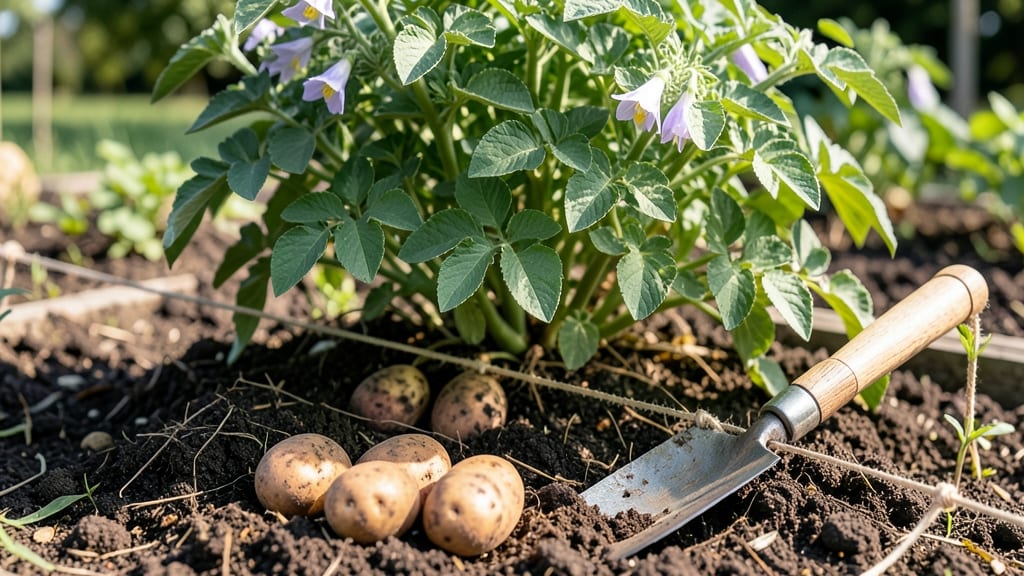
Timing your 🥔 potato planting in Kentucky isn’t just about throwing seed potatoes into the ground—it’s about beating frost, avoiding stunted growth, and maximizing your harvest. With USDA zones 6a-7a and unpredictable spring weather, getting the window right means the difference between 100-pound yields and wasted effort.
Most Kentucky gardeners swear by planting between March 15 and April 15 for spring potatoes, but late varieties or summer plantings (July–August) need a different approach. The key? Knowing your last frost date—typically mid-April—and adjusting for microclimates, whether you’re in Louisville’s urban heat or rural Appalachian valleys.
In this guide, I’ll break down the exact planting months for early, mid-season, and late 🥔 potato varieties, plus pro tips to avoid frost damage and common mistakes that ruin harvests. No more guessing—just science-backed timing for Kentucky’s climate.
Ready to dig in? Let’s get your 🥔 potatoes growing on the right schedule for a bumper crop this season.
Kentucky potato planting calendar by variety: exact months to avoid frost damage
Timing your potato planting in Kentucky isn’t just about the calendar—it’s about matching your variety type to your local frost zone. With USDA zones 5b-7a across the state, even neighboring counties can have 2-week differences in safe planting windows.
Let’s break down the exact months for early, mid-season, and late varieties to ensure zero frost damage.
For early varieties like Yukon Gold and Red Pontiac, the sweet spot is late March to early April. These potatoes mature in just 60-80 days, so they race against Kentucky’s mid-April average last frost.
In USDA zone 6a (northern Kentucky), aim for April 1-15 to avoid late frosts that can blacken tender shoots.
Mid-season favorites like Kennebec and Russet Burbank need 90-110 days to reach harvest, making mid-April to early May the ideal window. In Lexington’s zone 7a, you can push planting to April 15 with confidence, but rural Appalachian areas (zone 5b) should wait until April 25 to play it safe.
Late varieties such as Minnesota Gem (110-120 days) demand early April planting in southern Kentucky, but gardeners in Louisville’s heat island (zone 7a) can extend this to April 10.
The key is soil temperature: potatoes won’t sprout until soil hits 45°F, so use a soil thermometer to confirm readiness.
| Variety Type | Recommended Planting Window (Kentucky) | Days to Maturity | Frost Risk Zone (USDA 5b-7a) | Pro Tip for Success |
|---|---|---|---|---|
| Early (Yukon Gold, Red Pontiac) | Late March–Early April | 60–80 days | Zone 5b: April 15+ | Use black plastic mulch to warm soil faster. |
| Mid-Season (Kennebec, Russet Burbank) | Mid-April–Early May | 90–110 days | Zone 7a: April 1 | Chit seed potatoes indoors 4 weeks before planting. |
| Late (Minnesota Gem, Fingerlings) | Early April (Southern KY) / Late April (Northern KY) | 110–120 days | Zone 5b: April 25+ | Plant deeper (4 inches) in colder zones for insulation. |
Don’t overlook summer planting for a fall harvest! Kentucky’s July-August window works perfectly for late varieties, giving you tubers ready by October before the first frost. For this method, start with certified disease-free seed potatoes and use row covers to extend the season.
Pro tip: Test your soil before planting—Kentucky’s clay-heavy soils can slow germination. Amend with compost or sand to improve drainage, and avoid planting in low spots where cold air pools.
If your area has late spring frosts (like 2020’s April snow), opt for row covers or a cold frame to protect young plants.
For container growing, stick to early varieties in 5-gallon pots and plant by April 15. Use a lightweight potting mix with perlite to prevent compaction, and water consistently—containers dry out 3x faster than garden beds. Harvest new potatoes when they’re 1-2 inches wide for tender, buttery results.
Always check the Kentucky State University Extension for localized frost alerts, as microclimates can shift planting dates by 10-14 days. For example, Paducah’s zone 7b can plant 2 weeks earlier than Berea’s zone 6a.
When in doubt, plant a test row of early potatoes to gauge your soil’s readiness.
🌱 Remember: The earlier you plant, the longer your harvest window—but only if you avoid frost! For Kentucky gardeners, April 1-15 is the golden window for most varieties, balancing risk and reward. Happy planting!
How Kentucky’s microclimates change potato planting dates: urban vs. rural timing
Kentucky’s diverse geography—from Louisville’s urban heat islands to the cooler Appalachian valleys—means your potato planting timeline should change based on where you live. A 3–4 week difference can mean the difference between a thriving crop and frost-damaged tubers.
Let’s break down how to adjust your schedule for urban, suburban, and rural areas.
The average last frost date in Kentucky hovers around mid-April, but urban areas like Louisville often warm up 1–2 weeks earlier due to the "heat island" effect. Meanwhile, rural highlands (like USDA Zone 6a) can linger near freezing until late April or early May.
Knowing your microclimate helps you time chitting (pre-sprouting) and soil warming strategies.
🌱Pro Tip: Use a soil thermometer to confirm temperatures hit 45°F+ before planting—this is critical for germination in cooler zones.
| Location Type | Average Last Frost Date | Best Planting Start Date | Soil Prep Adjustments | Key Risk Factor |
|---|---|---|---|---|
| Urban (Louisville) | March 25–April 5 | March 1–March 15 | Add compost to offset heat stress | Late-season heat waves |
| Suburban (Lexington) | April 1–April 15 | March 15–April 1 | Test soil pH (6.0–7.0 ideal) | Unpredictable late frosts |
| Rural (Appalachian) | April 15–May 1 | April 1–April 15 | Use black plastic mulch for warmth | Cold, wet soils delay germination |
For late varieties (like Minnesota Gem), consider chitting seed potatoes indoors 4–6 weeks before your target planting date. Place them near a sunny window or under grow lights to encourage 1-inch sprouts—this gives them a head start in cooler zones.
Rural gardeners in Zone 6a often plant 2 weeks later than urban areas to avoid frost.
💧Watering Tip: In urban areas, drip irrigation helps manage heat stress, while rural gardens may need row covers for early plantings to protect against late frosts.
If you’re in a microclimate transition zone (like the Bluegrass Region), split your planting: start with early varieties (like Red Pontiac) in late March, then add mid-season types (like Kennebec) in early April. This staggered approach extends your harvest window and reduces risk.