
Flowers
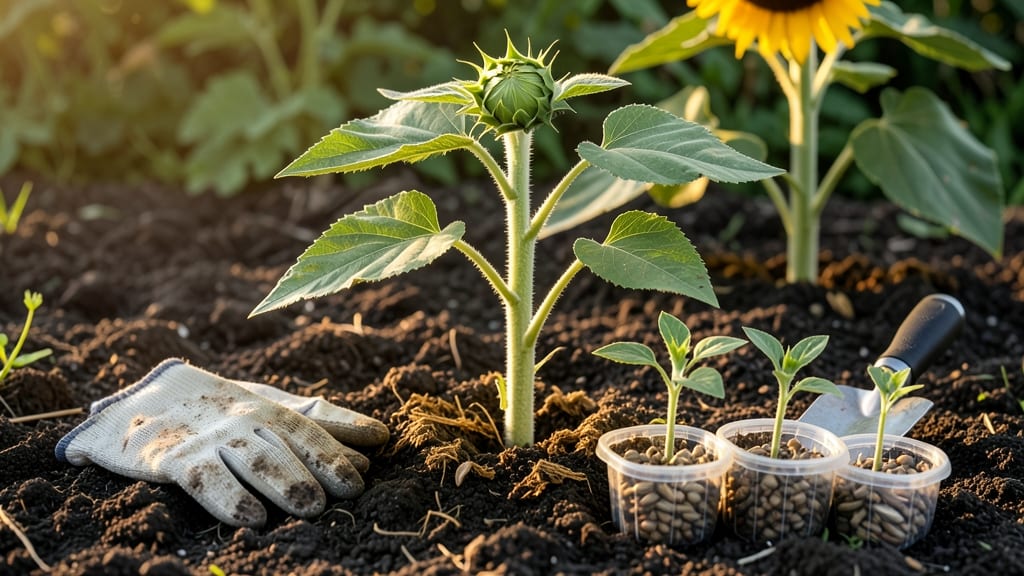
Timing your sunflower planting in Indiana isn’t just about dropping seeds in the dirt—it’s the difference between a garden full of towering 🌻 blooms and a season of missed opportunities. With Indiana’s USDA Zone 6a climate, getting the window right means avoiding early frosts while maximizing those sun-drenched summer days.
Most gardeners in Indiana plant sunflowers between mid-April and early June, but the exact timing depends on your last frost date and variety. Skip the guesswork: we’ll break down the science behind Indiana’s planting zones so you can align your schedule with nature’s calendar for bigger, healthier plants.
Here’s the game-changer: sunflowers thrive when planted directly in the ground after the soil warms to at least 55°F. That means no fussing with indoor starts—just wait for the right moment, and you’ll be rewarded with fast-growing stalks that reach their full potential before the first frost.
Ready to unlock the secrets? We’ll cover everything from frost dates to soil prep, plus how to stretch your growing season for late-summer blooms that’ll turn heads all the way through October.
Best planting months for sunflowers in Indiana by USDA Zone 5-6
Indiana’s USDA Zones 5-6 offer the perfect climate for growing sunflowers 🌻, but timing is everything. The last average frost date in most of Indiana falls around April 15, while the first frost typically arrives by October 15.
This gives you a 165-day growing season, which is ideal for sunflowers that mature in 50-120 days.
For maximum blooms, I recommend planting sunflowers between mid-April and early June.
This window ensures your plants have enough time to grow, flower, and even produce seeds before Indiana’s unpredictable fall frosts arrive. Direct sowing is the best method for sunflowers—they hate being transplanted—so skip the indoor starting and head straight to the garden.
Here’s the breakdown: In Zone 5 (northern Indiana), aim for planting between April 20 and May 15. In Zone 6 (southern Indiana), you can push it slightly earlier, from April 10 to May 20. The key is to plant when soil temperatures reach at least 55°F (13°C), which usually happens by mid-April in Zone 6 and early May in Zone 5.
| Zone | Best Planting Window | Soil Temp Threshold | Days to Maturity | Notes |
|---|---|---|---|---|
| Zone 5 (Northern IN) | April 20 - May 15 | 55°F (13°C) | 60-120 days | Plant after last frost; use row covers for early starts. |
| Zone 6 (Southern IN) | April 10 - May 20 | 55°F (13°C) | 50-100 days | Earlier planting possible; watch for late frosts. |
| Both Zones | June (Succession Planting) | N/A | 50-80 days | Plant for late-summer blooms; harvest before frost. |
Many gardeners make the mistake of planting sunflowers too early, which can lead to stunted growth or even death if a late frost hits.
Conversely, planting too late (after early June) risks your sunflowers not maturing before the first frost. Succession planting in June is a great way to extend your harvest—just choose fast-maturing varieties like ‘Teddy Bear’ (55 days) for this late window.
When planting, drop seeds 1 inch deep and 6 inches apart. Sunflowers need plenty of space to avoid crowding, which can lead to pale stems and fewer blooms.
If you’re in a shorter-season area (like northern Indiana), opt for dwarf varieties like ‘Moulin Rouge’ (60 days) to ensure they reach maturity before frost.
One pro tip: If you’re eager to start early, use row covers or cold frames to protect young seedlings from unexpected late frosts. These can raise soil temperatures by 5-10°F, giving your sunflowers a head start. Just
Finally, don’t forget that sunflowers are heliotropic—they follow the sun! Planting them in a south-facing location ensures they grow tall and strong, maximizing their 6-8 hours of daily sunlight requirement. With the right timing and care, you’ll be rewarded with stunning blooms that attract pollinators all summer long.
For Indiana gardeners, the golden rule is: plant after the last frost, before the first heatwave. This balance gives your sunflowers the best shot at thriving in our humid, variable climate. Happy planting! 🌱
Best planting months for sunflowers in Indiana by USDA Zone 5-6
Indiana’s USDA Zones 5-6 offer a 165-day frost-free window—just enough time for sunflowers to grow from seed to towering bloom. The key to success? Planting between mid-April and early June, when soil temperatures consistently stay above 55°F.
This aligns with Indiana’s average last frost date of April 15, giving sunflowers a head start before summer heat arrives.
Most gardeners in Indiana plant sunflowers directly in the ground—they’re not fussy about transplanting. In fact, their fast growth rate (60-120 days to maturity) means you’ll miss the window if you wait too long.
For Zone 5 (northern Indiana), aim for late April to mid-May; in Zone 6 (southern Indiana), you’ve got flexibility until early June.
🌱 Sunflower Planting Timeline for Indiana
| Zone | Ideal Planting Window | Soil Temp Requirement | Last Frost Risk |
|---|---|---|---|
| Zone 5 | Late April - Mid-May | 55°F+ consistently | High before May 1 |
| Zone 6 | Early April - Early June | 55°F+ consistently | Low after May 15 |
💡 Pro Tip: Use a soil thermometer to confirm temps—sunflowers won’t sprout below 55°F, no matter how eager you are!
If you’re tempted to plant early March (like some gardeners do), think twice. Indiana’s unpredictable spring can bring late frosts that stunt young seedlings. Instead, wait until the soil warms naturally—this usually happens by mid-April in most areas.
For late blooms, you can even try a second planting in late May—just choose fast-maturing varieties (like ‘Teddy Bear’) to ensure flowers before frost.
Don’t overlook succession planting—this is how I stretch my sunflower season from July to October. By planting every 2-3 weeks through June, I ensure a continuous display of 🌻 cheerfulness.
Even if your first batch bolts in the heat, later plantings will reward you with fresh blooms when school starts back up.
One common mistake? Planting too deeply or too shallowly. Sunflower seeds need to be buried just 1 inch deep—any deeper, and they’ll struggle to emerge. Space them 6-12 inches apart (closer for dwarf varieties, wider for giants like ‘Russian Giant’).
Thin seedlings to avoid competition, but don’t rush—wait until they’re 4-6 inches tall to prevent root damage.
Here’s the golden rule: Plant sunflowers when your neighbors’ daffodils are in full bloom. That’s your cue that the soil is warm enough and the frost risk has passed.
With this timing, you’ll enjoy blooms from July through October, turning your garden into a sunflower paradise—just in time for summer weddings, school photos, and golden-hour picnics.