
Flowers
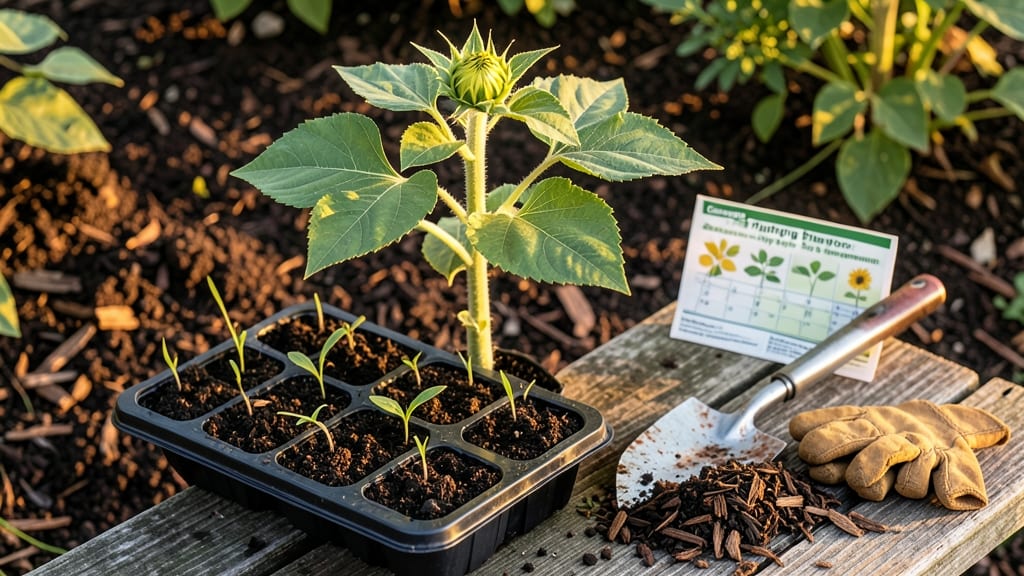
Planting sunflowers in Georgia at the wrong time means watching your 🌻 dreams wilt before they even bloom. The key to vibrant, towering flowers lies in knowing exactly when to drop those seeds into the warm soil—because Georgia’s 7b-8b climate demands precision, not guesswork.
Most gardeners in this region rush to plant too early, only to face frost nibbles or stunted growth. But here’s the secret: sunflowers thrive when soil temperatures hit 50°F and stay there, typically after Georgia’s last frost date around March 15.
That means your planting window—from mid-March to late July—is your golden ticket to 10-foot-tall giants.
I’ll walk you through the exact planting calendar for your heat zone, plus soil prep tricks to outsmart Georgia’s humidity and clay. Whether you’re growing dwarf varieties for containers or giant mammoths as statement pieces, timing is everything—and I’ve got the game-changer you need.
Ready to turn your backyard into a sunflower spectacle? Let’s dive into the step-by-step schedule that’ll have your plants reaching for the sky by summer’s end.
Georgia sunflower planting dates by heat zone (USDA 7a-9a)
Georgia’s diverse climate—spanning USDA zones 7a through 9a—means your sunflower planting window can vary by up to 6 weeks. In northern Georgia (7a-7b), you’ll want to wait until mid-April after the last frost, while southern Georgia (8a-9a) gardeners can start as early as mid-March.
The key is planting when soil temperatures hit at least 50°F, ensuring quick germination and strong root development.
Sunflowers are warm-season plants, so they cannot tolerate frost. Even a light frost after planting can kill young seedlings. Georgia’s average last frost date ranges from March 15 in the south to April 15 in the north.
To avoid disappointment, always check your local frost-free date or use a frost calendar for your specific county.
Here’s the golden rule for Georgia sunflower planting: Plant seeds 1 inch deep in well-draining soil when daytime temperatures consistently stay above 60°F. This ensures your sunflowers won’t bolt (flower too early) or struggle in cool spring nights.
For maximum bloom potential, aim to plant between mid-March and late July, with peak flowering occurring in summer and early fall.
🌱
| USDA Zone | Last Frost Date | Ideal Planting Window | Soil Temp Requirement | Notes |
|---|---|---|---|---|
| 7a (North GA) | Mid-April | Late April - Early June | 50°F+ | Use row covers for early starts |
| 7b (Central GA) | Early April | Early April - Late June | 50°F+ | Best for dwarf varieties |
| 8a (South GA) | Mid-March | Mid-March - July | 55°F+ | Longer growing season |
| 8b (South GA) | Late February | Late February - August | 55°F+ | Can plant year-round in containers |
| 9a (Extreme South GA) | January | January - September | 60°F+ | Heat-tolerant varieties preferred |
If you’re in USDA zone 7a or 7b, consider starting seeds indoors 2-3 weeks before your last frost date. Use biodegradable pots to avoid transplant shock when moving seedlings outdoors.
For zones 8a and above, you can plant directly in the ground as soon as soil is workable, often as early as February in the southernmost regions.
Sunflowers in Georgia can bolt (flower prematurely) if planted too early in cool soil. To prevent this, wait until soil temperatures are consistently above 50°F—use a soil thermometer to check.
In northern Georgia, this might mean waiting until late April, while southern Georgia can start as early as mid-March.
For continuous blooms, make successive plantings every 2-3 weeks from March through July. This ensures you’ll have sunflowers in bloom from summer through early fall, giving you a longer display season and more opportunities for seed harvesting.
Just be sure to space later plantings at least 12 inches apart to avoid overcrowding.
Pro tip: In humid Georgia summers, sunflowers planted in late June or July may struggle with heat stress. Choose heat-tolerant varieties like ‘Autumn Beauty’ or ‘Mou
Georgia sunflower planting dates by heat zone (USDA 7a-9a)
Georgia’s diverse heat zones—from USDA 7a in the mountains to USDA 9a along the coast—create wildly different planting windows for sunflowers. In cooler 7a zones, wait until mid-April when soil warms to 50°F, while 8a-9a gardeners can start as early as mid-March.
The key? Align your planting with Georgia’s last frost date (typically March 15) and soil temperatures.
Sunflowers are direct-sown annuals, meaning they don’t transplant well. For maximum height (up to 16 feet!), sow seeds 1 inch deep after the frost risk passes. In USDA 8a-9a, you can even push planting into late July for fall blooms—just expect shorter stems from later starts.
Here’s your heat zone breakdown for Georgia, including ideal planting months, soil prep, and expected bloom times to plan your garden layout:
| Zone | Planting Window | Soil Temp | Bloom Time | Notes |
|---|---|---|---|---|
| 7a (North GA) | Mid-April to June 1 | 50°F+ | July–September | Use row covers for early starts |
| 7b (Central GA) | Late March to July 15 | 50°F+ | June–October | Avoid clay soil; amend with compost |
| 8a (South GA) | Mid-March to August 1 | 55°F+ | May–November | Dwarf varieties thrive in heat |
| 8b-9a (Coastal GA) | February–September | 60°F+ | April–December | Watch for fungal diseases in humidity |
Pro tip: For taller varieties like ‘Mammoth’ or ‘Russian Giant’, plant in spring (March–April) to give roots time to establish before summer’s heat. Dwarf varieties (like ‘Teddy Bear’) can handle late summer planting but may bolt faster in Georgia’s intense sun.
Always plant seeds 1 inch deep and 12 inches apart for full-sized sunflowers. In USDA 9a, you can even try a fall crop in September for winter interest—just use heat-tolerant varieties like ‘Autumn Beauty’.
Now that you’ve got your planting dates locked in, let’s tackle Georgia’s trickiest challenges—like clay soil and humidity—in the next section. Trust me, these tweaks will keep your sunflowers thriving even in Georgia’s stickiest conditions.