
Plants
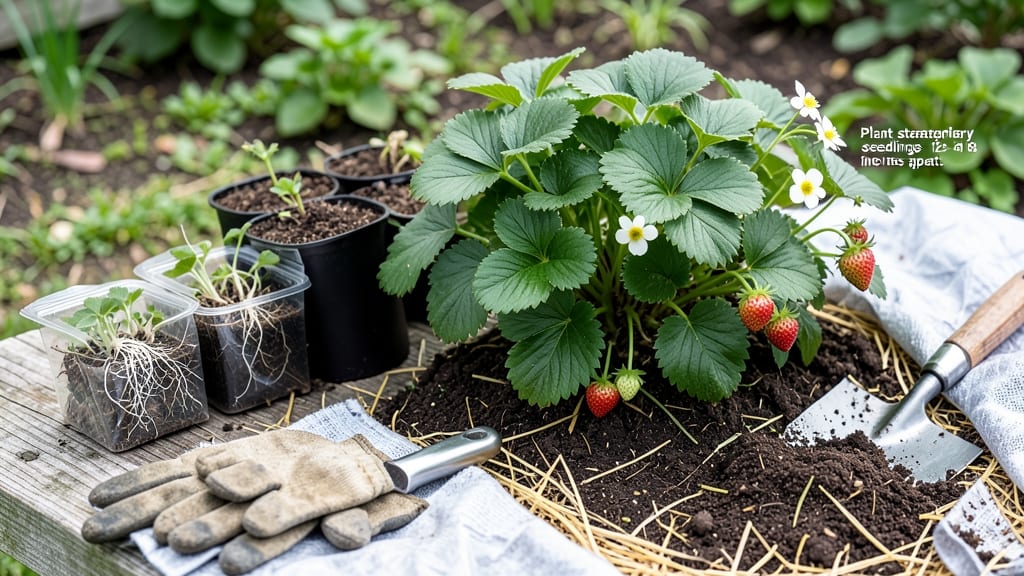
If you've ever wondered when to plant strawberries in Kentucky for the juiciest harvest, timing is the secret weapon you've been missing. The Bluegrass State's Zone 6a climate gives you two prime windows—spring and fall—but getting it wrong can mean bitter berries or wasted effort.
Picture this: March through April brings ideal soil temperatures for spring planting, while August to September offers a second chance for fall varieties. Kentucky's last frost typically hits around March 15, making early spring the perfect moment to get those 🍓 crowns in the ground.
But here's the catch: bare-root plants need special care, while potted varieties offer flexibility. Whether you're prepping in-ground beds or containers, we'll break down exactly how to align your planting with Kentucky's frost dates for maximum yields.
Ready to transform your garden into a berry bonanza? Let's dive into the precise calendar and soil secrets that will have your strawberries thriving—no guesswork required.
Best planting times for strawberries in Kentucky (zone 6b climate guide)
Kentucky’s USDA Zone 6b climate gives strawberries a 180-day growing season, but timing your planting is critical. The ideal windows are spring (March-April) and fall (August-September), aligning with soil temperatures and frost patterns unique to Kentucky.
Spring planting lets you harvest June through July, while fall-planted berries ripen October-November. Both strategies work, but each requires careful attention to soil warmth and frost dates to avoid early cold snaps.
Here’s how to match Kentucky’s climate to your strawberry schedule:
| Planting Window | Soil Temp Requirement | Frost Risk | Harvest Time |
|---|---|---|---|
| Early Spring (March 15–April 15) | 45–50°F (7–10°C) | Low (after last frost) | June–July |
| Late Spring (April 15–May 15) | 50–55°F (10–13°C) | Moderate (late frosts possible) | July–August |
| Fall (August 15–September 15) | 55–60°F (13–16°C) | None (established roots) | October–November |
*Kentucky’s average last frost: March 15 | First frost: November 15
For spring planting, wait until the soil reaches 45°F (7°C)—use a soil thermometer to check. In Kentucky, this typically happens mid-March in southern regions but may delay until late March in northern areas like Lexington.
Fall planting offers a second harvest opportunity but requires 6–8 weeks of warm soil before the first frost. Aim for August 15–September 15, ensuring roots establish before winter. Bare-root plants handle fall better than potted ones.
Kentucky’s microclimates matter—low-lying areas may frost later than hills. If you’re unsure, opt for June-bearing varieties like ‘Chandler’ or everbearing ‘Albion’, which adapt better to Kentucky’s short, hot summers.
Pro tip: Use black plastic mulch in spring to warm soil faster, or straw mulch in fall to insulate roots. Both tricks extend Kentucky’s planting windows by 1–2 weeks.
🌱
Best planting times for strawberries in Kentucky (zone 6b climate guide)
Kentucky’s USDA Zone 6b climate gives gardeners two prime windows to plant strawberries: early spring and late summer. The key is avoiding frost while ensuring soil temperatures are ideal—40-50°F (4-10°C).
Spring planting typically yields berries by June-July, while fall-planted varieties ripen in October-November, extending your harvest season.
For spring planting, aim for mid-March to early April after the last frost date (around March 15 in most of Kentucky). This gives plants 6-8 weeks to establish roots before summer heat arrives.
Fall planting should occur August-September, allowing roots to develop before winter dormancy. Both timings avoid Kentucky’s unpredictable late frosts that can damage tender new growth.
| Season | Planting Window | Soil Temp | Harvest Time |
|---|---|---|---|
| Spring | Mid-March to Early April | 40-50°F (4-10°C) | June-July |
| Fall | August-September | 50-60°F (10-15°C) | October-November |
Bare-root strawberries are most common in Kentucky and should be planted as soon as you receive them in spring or fall. If buying potted strawberries, plant them anytime the soil is workable, but avoid extreme heat or cold.
For June-bearing varieties (most common in Kentucky), spring planting is ideal, while everbearing varieties can handle both spring and fall plantings for extended harvests.
Kentucky’s microclimates matter—gardeners in higher elevations (e.g., Eastern Kentucky) may need to plant 2-3 weeks later due to cooler temperatures. Use a soil thermometer to confirm temperatures before planting. If soil is too cold, wait—root development stalls below 40°F (4°C), leading to weak plants.
Pro tip: Mark your last frost date on your calendar and count back 6-8 weeks for spring planting. For fall, aim to plant 6-8 weeks before first frost (Nov 15).
This ensures plants establish roots but don’t produce tender new growth vulnerable to winter freezes. Mulch heavily after planting to protect roots from temperature swings.
Remember, container gardening offers flexibility—you can plant potted strawberries anytime soil is workable, even in late spring if you choose day-neutral varieties. Just move containers to a protected spot if frost threatens.
With the right timing, Kentucky gardeners can enjoy two harvests per year—one from spring plantings and another from fall!