
Plants
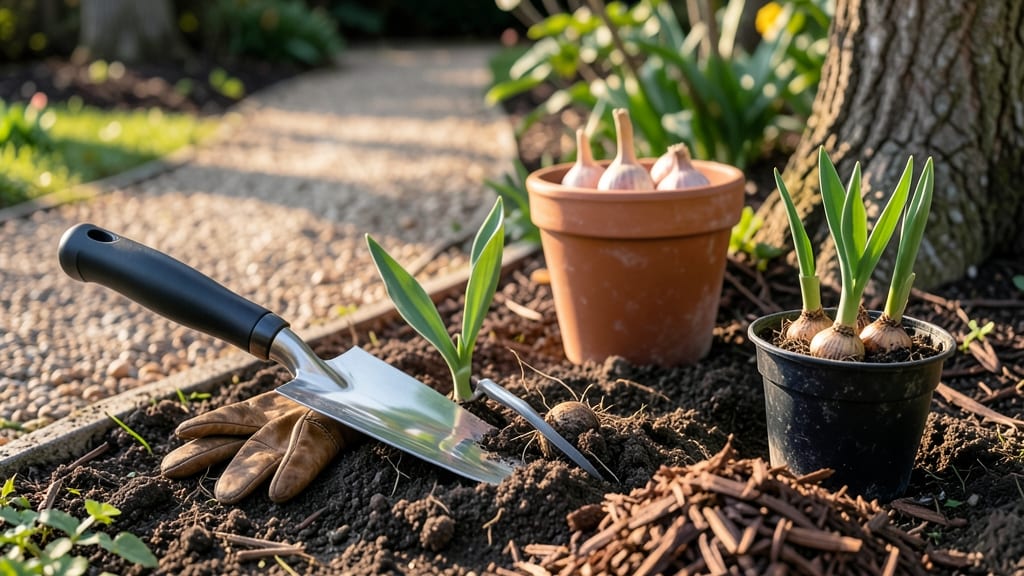
If you’ve ever wondered when you can plant potted tulips in the ground 🌷 to guarantee vibrant spring blooms, timing is everything—and getting it wrong could mean no flowers next year.
The key lies in balancing soil temperature, frost dates, and your local climate zone, but most gardeners miss the best window by planting too early or too late.
For USDA Zone 6a, the ideal transplanting window opens in late September and stretches through November, giving bulbs time to root before winter. But if you’re in a warmer zone, early spring (March–April) works just as well.
The secret? Planting when soil temps hover around 50°F ensures roots establish without freezing.
I’ll break down the exact months for your zone, plus 3 critical mistakes that kill tulip success—like overwatering or ignoring frost warnings. Whether you’re a first-time gardener or a seasoned pro, these tips will help your potted tulips thrive.
Ready to dig in? Let’s make sure your fall planting sets the stage for a showstopping spring display.
USDA Zone planting calendar: exact months to transplant potted tulips with zero frost risk
Transplanting potted tulips at the wrong time can mean the difference between vibrant spring blooms and frost-damaged bulbs. The key is planting when soil temperatures are cool but stable—typically 4-6 weeks before your first hard frost.
Below, I’ve mapped out the ideal transplant windows for USDA Zones 3-10, including regional adjustments for Pacific Northwest and Deep South climates.
For most gardeners, fall planting (September–November) is the gold standard because it allows bulbs to establish roots before winter. However, spring planting (March–April) works in warmer zones (7-10) where winters are mild. Always check your local frost dates—they’re your planting deadline.
| USDA Zone | Fall Planting Window | Spring Planting Window | Soil Temp Requirement | Key Consideration |
|---|---|---|---|---|
| Zones 3-4 | September 15–October 15 | April 15–May 1 | 45–55°F (7–13°C) | Plant early—soil freezes by November. |
| Zones 5-6 | October 1–November 1 | March 15–April 15 | 50–60°F (10–16°C) | Avoid late fall—bulbs may rot in wet soil. |
| Zones 7-8 | November 1–December 15 | February 15–March 15 | 55–65°F (13–18°C) | Spring planting riskier—prioritize fall. |
| Zones 9-10 | December 1–January 31 | January 15–February 15 | 60–70°F (16–21°C) | No frost—plant anytime, but avoid summer heat. |
| Regional Notes | ||||
| Pacific Northwest: Plant 4 weeks later than Zone 7 due to cooler, wetter falls. | ||||
| Deep South: Spring planting (Feb–March) is safest—avoid summer heat stress. | ||||
In Zone 6a (like my garden!), I always aim for mid-October because soil stays workable until first frost hits around November 15. Pro tip: Use a soil thermometer—tulips need 45–60°F soil to root without rotting.
If your soil is warmer than 65°F, wait or plant in shade.
For container-grown tulips, gently loosen roots before planting to minimize transplant shock. Water deeply immediately after to help soil settle around the bulb. Mulch with 2–3 inches of straw to insulate roots in winter—this is non-negotiable in Zones 3–6.
If you miss fall planting, don’t panic! Spring transplanting works in Zones 7–10, but bulbs may bloom 4–6 weeks later than fall-planted ones. In Zone 8, I’ve successfully planted in February, but I always water consistently until blooms appear.
One critical mistake I’ve seen gardeners make? Planting too deep—tulip bulbs need 6–8 inches of soil coverage, but not more. Over-deep planting suffocates them. Use a trowel to dig holes 3x the bulb’s height and space them 4–6 inches apart for dwarf varieties.
For Pacific Northwest gardeners, like those in Portland or Seattle, aim for
USDA Zone planting calendar: exact months to transplant potted tulips with zero frost risk
Transplanting potted tulips at the wrong time can mean the difference between vibrant spring blooms and lost bulbs. The key is planting when soil temperatures drop below 60°F (15°C) but before hard frosts arrive.
For most USDA zones, this falls in late September to early November for fall planting, or March to early April in spring.
Your USDA zone dictates the exact window—cooler climates (Zones 3-5) have earlier deadlines than warmer regions (Zones 8-10). For example, in Zone 5, tulips must be in the ground by October 15th, while Zone 9 gardeners can wait until December.
Always check your last frost date and aim to plant 4-6 weeks before the first hard freeze.
Here’s your zone-by-zone transplanting calendar to ensure zero frost risk and optimal root establishment:
| USDA Zone | Fall Planting Window | Spring Planting Window | Soil Temp Requirement |
|---|---|---|---|
| Zones 3-5 | September 15 - October 15 | March 15 - April 15 | Below 60°F (15°C) |
| Zones 6-7 | October 1 - November 1 | March 1 - April 10 | Below 65°F (18°C) |
| Zones 8-10 | November 1 - December 15 | February 15 - March 15 | Below 70°F (21°C) |
Regional variations matter! In the Pacific Northwest, milder winters allow planting until late November, while the Deep South (Zone 10) may need spring planting to avoid summer heat stress. Always verify your local frost dates—tools like the National Weather Service or Almanac’s Frost Calculator are invaluable.
Pro tip: If you miss the fall window, spring planting is your backup—but bulbs need 6-8 weeks to establish roots before summer heat arrives. In Zone 6a, this means planting by April 15th at the latest. Mulch heavily after transplanting to insulate roots and retain moisture.
Never plant when soil is waterlogged or frozen. A simple soil thermometer (under $10) confirms readiness—aim for 50-60°F (10-15°C). In containers, roots grow slowly; transplanting too early can stress bulbs and reduce next year’s blooms.