
Plants
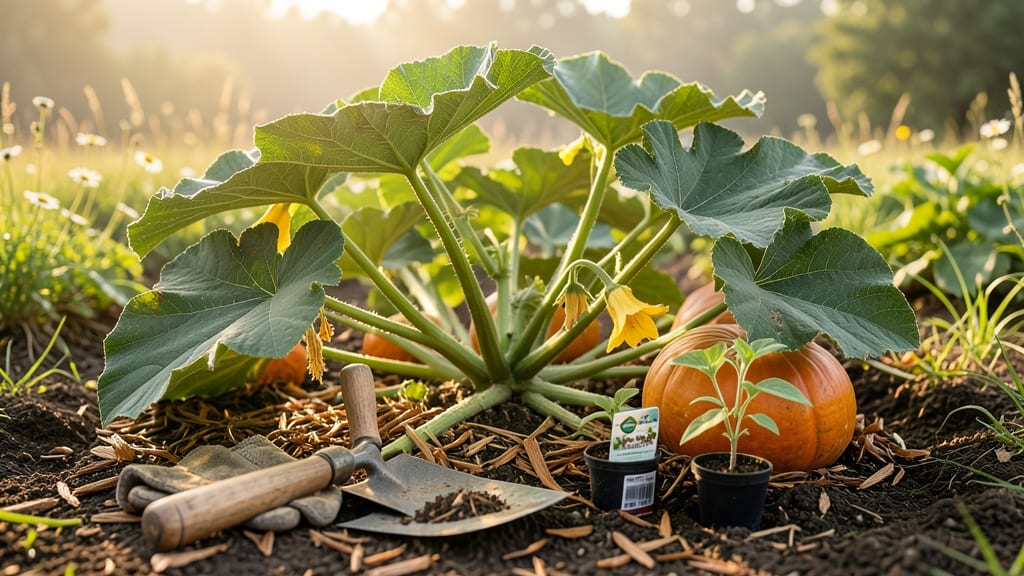
Timing your pumpkin planting in South Carolina is more than just waiting for spring—it’s about matching your 🎃 to the coastal humidity or Piedmont heat that defines your corner of the state.
Plant too early, and coastal winds or late frosts will stall your vines; too late, and your harvest arrives just as the first frost sneaks in by November. The difference between a thriving patch and a failed crop often comes down to knowing your USDA Zone 7b-8a quirks.
Most gardeners in South Carolina aim to plant pumpkin seeds between mid-April and early June, but that window shifts depending on whether you’re near Charleston’s salty breezes or Greenville’s inland warmth.
Coastal areas can start slightly earlier, while Piedmont regions may need to wait until after the last frost—usually around March 15—to avoid chilly surprises. The key? Soil temperature matters just as much as calendar dates.
If you’re growing from starts, transplant them after the soil warms to at least 55°F, a threshold that’s easier to hit in the Piedmont than along the coast. Direct-sowing seeds? Wait until nighttime temperatures stay consistently above 60°F.
Either way, Clemson Extension’s local frost data can be your best friend—because in South Carolina, a 10-day delay can mean the difference between a pumpkin patch and a patch of disappointment.
Ready to turn your garden into a 🎃 goldmine? I’ll walk you through the exact timing, soil prep, and even how to adjust for your microclimate—whether you’re battling coastal humidity or Piedmont heat waves. Let’s get those vines growing strong.
South Carolina pumpkin planting calendar: coastal vs Piedmont timing differences
Timing your pumpkin planting in South Carolina depends heavily on whether you're in the humid coastal plains or the warmer Piedmont region. These areas experience different last frost dates, soil warming speeds, and even pest pressures, so a one-size-fits-all approach won't work.
Let's break down the ideal planting windows for each zone.
In coastal South Carolina (e.g., Charleston, Hilton Head, Myrtle Beach), the last average frost date is around March 15, but coastal areas often stay cooler longer due to maritime influence.
For direct-sown pumpkins, aim to plant seeds after April 15 when soil temperatures consistently reach 55°F or warmer. If you're using transplants, wait until mid-to-late May to avoid transplant shock from lingering cool nights.
The Piedmont region (e.g., Columbia, Greenville, Spartanburg) warms up faster, with last frost dates typically around March 1-15. Here, you can start direct sowing as early as mid-April, but most gardeners wait until early May to align with soil warming.
For fall harvests, this earlier start gives you a longer growing season before the first frost (usually November 15 in the Piedmont).
🎃
| Factor | Coastal SC (Zone 8a) | Piedmont SC (Zone 8b) |
|---|---|---|
| Last Frost Date | March 15 | March 1-15 |
| Optimal Planting Window | April 15-May 15 | Mid-April-Early May |
| Soil Temp Threshold | 55°F+ (warms slower) | 55°F+ (warms faster) |
| Transplant Window | Mid-to-late May | Early May |
| First Frost Risk | November 15-30 | November 1-15 |
| Best Varieties | Sugar Pie, Cinderella (shorter season) | Howden, New England Field (longer season) |
If you're in Upstate South Carolina (e.g., Greer, Anderson), you can push planting even earlier—some gardeners start seeds indoors by late March for a head start. However, be cautious: cooler coastal nights can stunt young pumpkin seedlings, while Piedmont heat might stress them if planted too early.
Always check 7-day soil temperature forecasts before planting.
For container gardening in urban SC areas, start seeds indoors 4-6 weeks before your last frost date and transplant after Memorial Day. Use black plastic mulch to warm soil faster in coastal zones, which can add 2-3 weeks to your growing season.
Pro tip: Use biodegradable seed starters if sowing directly into warm soil—this helps prevent transplant shock and gives seedlings a 2-week head start over traditional methods.
🌱
South Carolina pumpkin planting calendar: coastal vs Piedmont timing differences
Timing your pumpkin planting in South Carolina depends heavily on your microclimate. Coastal areas like Charleston and Myrtle Beach enjoy longer growing seasons, while Piedmont regions (Greenville, Columbia) face earlier frosts.
The key is planting after your last average frost date, which varies by USDA Zone 8a/8b and local conditions.
For coastal SC, aim to plant mid-April to early May when soil temps consistently reach 55°F+. Piedmont gardeners should wait until late April to early June to avoid early frost risks. These windows ensure your 90-day varieties mature before the first frost hits in mid-November.
🌱
| Region | Last Frost Date | Optimal Planting Window | Soil Temp Threshold | Key Consideration |
|---|---|---|---|---|
| Coastal (Zone 8b) | March 15 | Mid-April to early May | 55°F+ consistently | Humidity increases fungal risks |
| Piedmont (Zone 8a) | April 1 | Late April to early June | 60°F+ consistently | Hotter summers require extra water |
| Upstate (Zone 7b) | April 15 | Late May to early June | 65°F+ consistently | Shorter season favors early varieties |
Soil preparation is equally critical. Work in compost and aged manure 2-3 weeks before planting to improve drainage—especially important in coastal areas where heavy rainfall can cause rot. Use mulch to retain moisture and regulate soil temps during SC's sweltering summers.
For direct sowing, plant seeds 1 inch deep in hills spaced 4-6 feet apart. If using transplants, harden them off for 7-10 days before setting out after May 1. Remember: Pumpkin vines spread 15-30 feet, so plan your garden layout accordingly!
Check your local Clemson Extension office for microclimate-specific advice—some inland valleys can have 2-3 weeks earlier frost dates than coastal areas. Adjust your planting window based on their frost-free date maps for precision timing.