
Plants
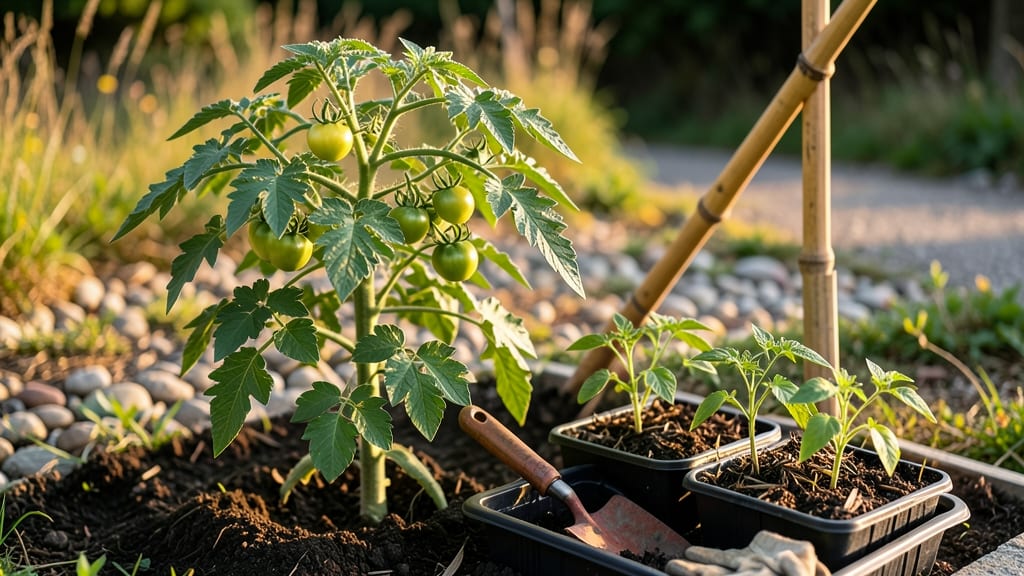
Planting tomatoes in South Carolina isn’t just about grabbing seeds and sticking them in the dirt—it’s about working with your local climate to avoid frost damage and maximize your 🍅 harvest.
With USDA zones 7b-8a and a long growing season, you’ve got plenty of time to grow juicy, vine-ripened tomatoes—but only if you time it right.
The key is knowing when to start seeds indoors or transplant seedlings outdoors, because planting too early can leave your tomatoes vulnerable to late frost, while waiting too long might mean a shorter harvest before summer heat sets in.
Whether you’re a seasoned gardener or just starting, getting the timing down ensures your plants thrive from mid-March through early June.
In this guide, I’ll break down the exact planting windows for your specific heat zone, so you can avoid common mistakes like planting before the soil warms up or ignoring your local frost dates.
You’ll also discover how to extend your growing season with simple tricks, whether you’re gardening in containers or in-ground plots.
Ready to grow tomatoes that taste like summer all season long? Let’s dive into the perfect planting schedule for your South Carolina garden.
South Carolina heat zones explained: which one determines your tomato planting window?
South Carolina’s diverse climate spans USDA zones 7b through 8b, creating distinct tomato planting windows across the state. Whether you're in coastal Charleston (zone 8a) or the Upstate mountains (zone 7b), understanding your heat zone is critical for avoiding frost damage and maximizing yields.
Coastal areas like Hilton Head and Myrtle Beach (zone 8a) enjoy earlier last frost dates (around March 15), while inland regions like Greenville or Spartanburg (zone 7b) typically see frost until mid-April. These differences mean your tomato transplant window could shift by 3-4 weeks depending on location.
Microclimates further complicate timing. Urban heat islands in cities like Columbia or Charleston can warm soil 2-3°F faster than rural areas, while elevated Piedmont regions may experience colder nighttime temperatures that delay planting.
Here’s how your heat zone affects your tomato planting schedule:
For zone 8a gardeners, you can start transplants as early as late February under row covers, while zone 7b growers should wait until mid-April to avoid late-spring frosts. Always check your local Cooperative Extension Service for year-specific frost alerts, as patterns shift annually.
Pro tip: Use a soil thermometer to confirm 60°F+ soil temps before planting—cold soil stunts root growth. In cooler zones (7b), black plastic mulch can raise soil temps by 5-10°F, accelerating your planting window.
If you’re in transition zones (7b/8a), like Greenville or Florence, err on the side of planting later. A 2-week delay in zone 7b prevents frost damage while still leaving 120+ frost-free days for a full harvest.
🌱
Step-by-step planting timeline: when to start seeds indoors vs. transplanting outdoors in SC
Timing your tomato planting in South Carolina isn’t just about avoiding frost—it’s about matching your plants’ growth stages to the 215-day frost-free window from mid-March to mid-November. Whether you’re starting seeds indoors or buying transplants, the key is soil temperature and last frost dates that vary by region.
Let’s break it down month by month for foolproof results.
For indoor seed starting, begin 6–8 weeks before your area’s last frost date. In most of South Carolina, this means mid-January to early March for early varieties.
Use grow lights or a sunny windowsill to give seedlings 12–14 hours of light daily. Harden off seedlings by mid-April to prepare them for outdoor conditions.
📅 Step-by-Step SC Tomato Planting Timeline
- January–February: Start seeds indoors (6–8 weeks before last frost).
- March: Transplant seedlings to 3–4" pots; begin hardening off (place outdoors for 1–2 hours daily).
- Mid-April: Plant transplants outdoors after soil reaches 60°F+ (use a soil thermometer).
- May–June: Succession plant for continuous harvests (every 2–3 weeks).
- July–August: Harvest early varieties; plant heat-tolerant types (e.g., 'Solar Fire').
If you’re buying transplants, wait until mid-April to early May—after the average last frost date—when soil temperatures consistently stay above 60°F. Coastal areas (like Charleston) can plant slightly earlier, while the Upstate (Greenville) may need to wait until late April.
Always check your local Cooperative Extension Service for updates on frost dates.
For succession planting, stagger your plantings every 2–3 weeks from April through June. This ensures a continuous harvest from June through October. Use black plastic mulch to warm soil faster and deter weeds, especially in cooler inland areas like Columbia or Spartanburg.
Pro tip: In South Carolina’s humid climate, avoid planting tomatoes too early—cool, wet soil invites fungal diseases like early blight. If you’re in doubt, opt for heat-tolerant varieties like 'Celebrity' or 'Better Boy' and use drip irrigation to keep foliage dry. 🌱