
Plants
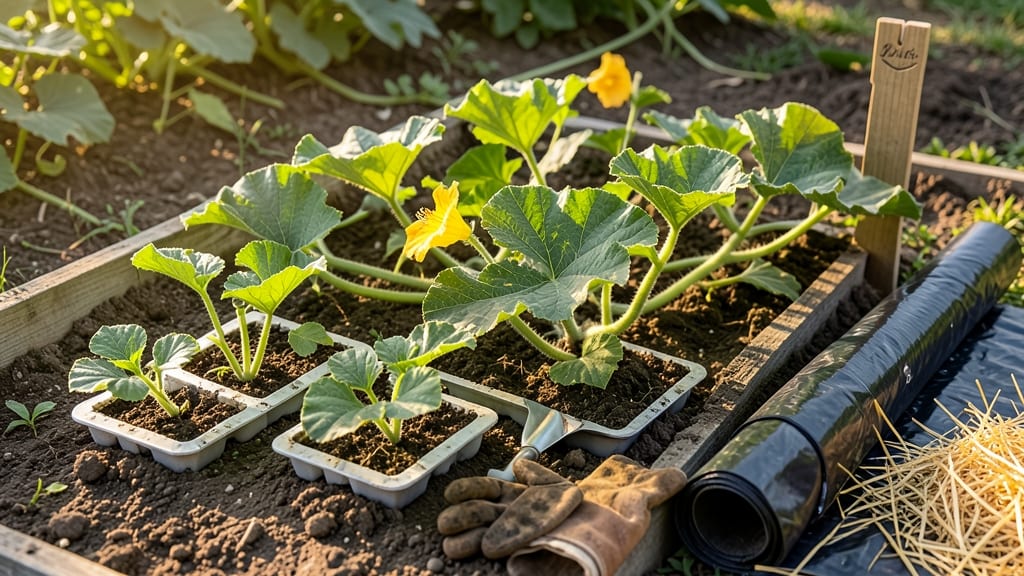
Planting pumpkins in Pennsylvania at the wrong time can mean the difference between a bountiful harvest and wasted effort. With the right timing—typically mid-April to early June or late June to early July—you’ll set your 🎃 up for success in USDA Zones 5b-7a.
Pennsylvania’s varied climate means frost dates shift by region, so knowing your last frost is critical. In most areas, wait until soil warms to at least 55°F before sowing seeds directly outdoors. This ensures strong, healthy vines ready for fall’s cooler temperatures.
Whether you’re growing Howden or Sugar Pie varieties, timing matters just as much as soil prep. I’ll walk you through the exact planting windows for your area, plus tips to adjust for late frosts or early heatwaves.
Ready to grow pumpkins that thrive? Let’s break down the best dates by region so you can enjoy homegrown harvests from September through October.
Best pumpkin planting dates in Pennsylvania by region (2024 guide)
Pennsylvania’s three distinct climate zones create varying frost-free dates that directly impact your pumpkin planting window. Whether you're in southeastern PA with milder winters or northwestern PA facing earlier frosts, timing is everything for a successful harvest.
Let's break down the optimal planting dates based on USDA Zones 5b-7a and local frost data.
For all regions, soil temperature is your best guide—wait until the ground reaches at least 70°F (21°C) at 6 inches deep. Cold soil slows germination, leading to poor seedling health.
Use a soil thermometer to check, or plant when nighttime temps stay above 55°F (13°C). This typically aligns with late May to early June for most of Pennsylvania.
🌱 PRO TIP: If you're eager to start earlier, consider indoor seed starting 3-4 weeks before your last frost date. Transplant seedlings outdoors only after hardening them for 7-10 days in protected outdoor conditions.
Pumpkin Planting Schedule by Pennsylvania Region
| Region | USDA Zone | Avg. Last Frost | Optimal Planting Window | Backup Window |
|---|---|---|---|---|
| Southeast PA | Zone 7a | April 20-May 5 | May 15-June 1 (direct sow) or April 15-May 1 (start indoors) | June 15-25 (for late-season varieties) |
| Central PA | Zone 6b | May 1-15 | May 20-June 10 (direct sow) or April 20-May 15 (start indoors) | June 20-July 5 (for short-season varieties) |
| Northwest PA | Zone 5b | May 10-25 | May 25-June 15 (direct sow) or May 1-May 20 (start indoors) | July 1-10 (for fastest-maturing varieties) |
⚠️ NOTE: These dates assume average conditions. Use local Almanac frost predictions or Penn State Extension resources for yearly adjustments.
Understanding harvest windows is just as critical as planting dates. Most pumpkin varieties need 90-120 days to mature, so late June plantings often yield fall harvests perfect for Thanksgiving. For example, if you plant in early June in Central PA, expect harvests in late September to October.
For northern Pennsylvania, where growing seasons are shorter, focus on fast-maturing varieties (75-90 days). These include 'Jack Be Little' or 'Sugar Pie', which can be planted as late as early July for a small fall harvest.
In southern PA, you have more flexibility—standard varieties like 'Howden' or 'Cinderella' planted in late May will thrive.
Don’t overlook soil preparation—pumpkins thrive in well-draining, slightly acidic soil (pH 6.0-6.8). Work in 2-3 inches of compost before planting and consider raised beds in areas with heavy clay soil, which can cause waterlogging and root rot.
A soil test from your local Cooperative Extension office ensures you’re meeting nutrient needs.
If you're planting for Halloween displays, aim for smaller varieties like 'Baby Boo' (55 days to maturity) and plant in early July. These can be harvested by early September, giving you two months of jack-o’-lantern season.
For Thanksgiving, stick to larger varieties planted in May or early June.
🌿 REGIONAL INSIGHT: In Poconos or Erie, where nights can stay cool even in summer, use black plastic mulch to warm the soil and extend the growing season by 10-14 days. This simple trick can mean the difference between a successful harvest and failed germination.
Finally, mark your calendar for first frost dates: October 15 in northern PA and November 1 in southern PA. If your pumpkins aren’t ready by then, harvest them early (even if not fully mature) and cure them indoors
How to adjust pumpkin planting for Pennsylvania’s unpredictable weather patterns
Pennsylvania’s weather can throw curveballs—late frosts in May or sudden heatwaves in June can derail even the best-laid pumpkin planting plans. If you’ve ever watched your seedlings shiver under a surprise frost or wilt in scorching temperatures, you know how critical flexibility is.
The key is preparing for these unpredictable conditions before they happen.
Start by hardening off your seedlings if you’re transplanting. Move them outdoors for 2-3 hours daily in the week before planting, gradually increasing exposure. This toughens their skin against temperature swings.
For direct-sown seeds, use row covers if late frosts threaten—these lightweight fabrics raise soil temps by 5-8°F while still allowing sunlight through.
Another smart move? Plan a backup planting window. If your first planting gets nipped by frost, late June to early July offers a second chance for varieties like Sugar Pie or Jack Be Little, which mature in 75-90 days.
This ensures you’ll still have pumpkins for Halloween, even if the first batch fails.
Heatwaves can also stress pumpkins, especially during flowering. If temps climb above 90°F, provide afternoon shade with shade cloth (30-50%) to protect blooms. Mulch heavily with straw to keep roots cool and retain moisture—this is non-negotiable in Pennsylvania’s variable summers.
Monitor your soil temperature closely. Pumpkin seeds need consistent warmth (70°F+) to germinate. Use a soil thermometer to avoid planting too early. If your soil stays cold, wait it out—rushing seeds into chilly dirt leads to poor germination and stunted growth.
Rainfall is another wild card. Too much water can drown seedlings, while drought stresses vines. If heavy rains flood your garden, raise seedlings onto mounds or hills to prevent root rot.
For dry spells, water deeply 2-3 times per week at the base of plants—never overhead—to avoid fungal diseases like powdery mildew.
Finally, keep an eye on the forecast. If a 5-day outlook predicts frost, cover young plants with frost blankets or even old bedsheets secured with bricks. With these adjustments, you’ll turn Pennsylvania’s unpredictable weather into an advantage, not a setback.
🚨 Late Frost Warning
Never plant pumpkins before your average last frost date—even if soil looks warm. In Pennsylvania’s Zone 5b-7a, this ranges from mid-April (southern PA) to early May (northern PA). Use local almanac frost charts to avoid losing seedlings.
Pro Tip: If frost hits, prioritize covering leaves (not flowers) to protect young vines. Flowers can regrow, but damaged leaves slow recovery.
With these strategies, your pumpkins will thrive despite Pennsylvania’s whims. Next, let’s explore the best short-season varieties that guarantee harvests even in cooler climates.