
Plants
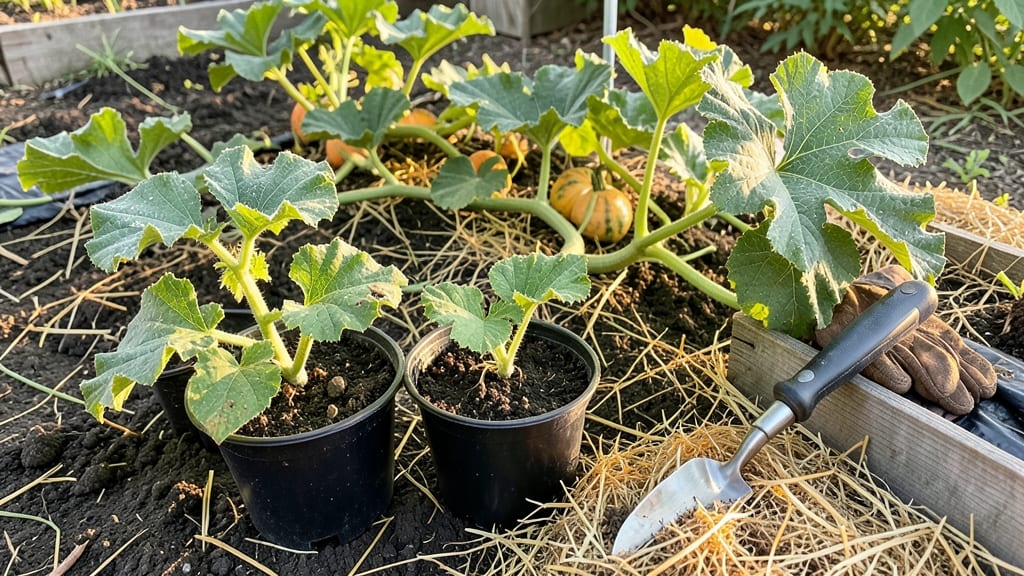
Planting pumpkins in Kansas isn't just about throwing seeds into the dirt—it's about nailing the perfect timing to beat frost and maximize your harvest.
With Kansas' 5b-7a climate zones, waiting until after the last frost (typically late April to early June) is critical, but soil temperature plays an even bigger role in success.
Too early, and your seeds won't germinate; too late, and you might miss the 90-day growing window before fall frost. I'll walk you through exactly when to plant in your specific county, including soil temperature thresholds (aim for 60°F+) and how to adjust for Kansas' unpredictable weather patterns.
Whether you're a first-time gardener or a seasoned pro, getting this right means the difference between a few sad pumpkins and a bountiful harvest ready for Halloween. Let's dive into the science and strategies that work in Kansas soils.
From Wichita to Kansas City, I'll cover regional variations and practical tips to help your pumpkins thrive—because in Kansas, timing isn't just important, it's everything for a successful 🎃 season.
Kansas pumpkin planting timeline: frost-free deadlines by county (2024 guide)
Kansas’ diverse climate zones mean your pumpkin planting window depends heavily on where you live. Northern counties like Hays and Salina face earlier frosts, while southern areas like Wichita and Kansas City enjoy longer growing seasons.
To avoid frost damage, align your planting with your county’s last average frost date—typically mid-April to early May—while ensuring soil temperatures hit 60°F+ for germination.
For reliable harvests, Kansas gardeners should aim to plant pumpkin seeds 2-3 weeks after the last frost date. This gives vines 90-120 days to mature before the first frost, usually mid-October.
Use the USDA Hardiness Zone map (Kansas spans 5b-7a) to fine-tune your schedule—Zone 5b gardeners in the north have shorter windows than Zone 7a growers in the south.
| County | Last Frost Date | Planting Window | Harvest Window |
|---|---|---|---|
| Wichita (Zone 7a) | April 10 | Late April - Early June | Late Sept - Oct 15 |
| Topeka (Zone 6a) | April 15 | Late April - Mid-May | Mid-Sept - Oct 10 |
| Kansas City (Zone 6b) | April 12 | Late April - Early June | Late Sept - Oct 12 |
| Hays (Zone 5b) | April 20 | Mid-May - Early June | Early Sept - Oct 5 |
| Garden City (Zone 6a) | April 18 | Late April - Early June | Mid-Sept - Oct 10 |
*Dates are averages; check Almanac’s frost calendar for real-time updates.
To find your exact frost dates, consult local resources like the Kansas State University Extension or the Old Farmer’s Almanac. These tools account for microclimates—like urban heat islands in Wichita or sheltered valleys in Hays—that can shift frost dates by 1-2 weeks.
Pro tip: Plant fast-maturing varieties (like ‘Jack Be Little’, 90 days) in northern Kansas to maximize your harvest window.
For extended growing seasons, use black plastic mulch to warm soil faster or row covers to protect seedlings from late frosts. In Zone 5b, start seeds indoors 4-6 weeks before your last frost date, then transplant hardened-off seedlings after soil warms to 70°F.
This trick adds 2-3 weeks to your planting window, crucial for northern Kansas gardeners.
If you’re unsure about your county’s frost dates, err on the side of planting later.
Pumpkins grow faster in warm soil—waiting for 60°F+ soil temperatures (use a soil thermometer) ensures strong germination, even if it delays planting by a week. Rushing seeds into cold soil risks rot or poor growth, wasting your effort and seed investment.
Succession planting is another Kansas-proven strategy for maximizing yields. After your first planting (early May), sow a second batch in late May to stagger harvests. This ensures you have pumpkins ready for Halloween and Thanksgiving, even if early frosts nip the first batch.
Just remember: late plantings need fast-maturing varieties to avoid frost damage before harvest.
For container growing (ideal for urban gardeners in Kansas City or Wichita), plant seeds in 5-gallon buckets after your last frost date. Containers warm up faster than soil, giving you a 2-week head start on garden beds.
Choose compact varieties like ‘Baby Boo’ (75 days) to fit smaller spaces while still delivering bountiful harvests.
Monitor your local weather forecasts in the weeks leading up to planting. A cold snap in early May can push frost dates back by
Optimal soil temperature for pumpkin seeds: when to plant based on heat zones
Pumpkin seeds need consistent warmth to germinate—soil temperatures below 60°F will stall growth, while 70°F+ triggers rapid sprouting. In Kansas, where USDA Zones 6a-7a dominate, your planting window hinges on these thresholds.
Northern counties (like Hays or Salina) may wait until mid-May, while southern regions (e.g., Wichita or Dodge City) can start as early as late April.
Use a soil thermometer to verify warmth before planting. Morning sun heats soil faster, so test midday temperatures—if they’re 65°F or higher for 3+ days, it’s safe to sow. Cold snaps after planting? Cover seeds with black plastic mulch to retain heat and speed up germination by 50%.
| Kansas Region | USDA Zone | Optimal Planting Window | Soil Temp Threshold |
|---|---|---|---|
| Northern (Hays, Salina) | 6a | Mid-May to early June | 70°F+ (wait for warmth) |
| Central (Topeka, Manhattan) | 6b-7a | Late April to mid-May | 65°F+ (flexible) |
| Southern (Wichita, Dodge City) | 7a | Late April to early May | 60°F+ (earlier risk) |
Pro tip: Plant in raised beds or hill mounds to warm soil faster. These spots heat up 2-3°F higher than flat ground, giving seeds a head start.
For late starters, opt for fast-maturing varieties like ‘Jack Be Little’ (75 days) or ‘Small Sugar’ (80 days) to squeeze in a harvest before frost.
Watch for cold snaps—even in May. If nighttime temps dip below 50°F, protect seedlings with row covers or move pots indoors temporarily. Overwatering in cool soil can drown seeds, so water lightly until soil warms consistently.
Once seeds sprout, maintain 75°F+ soil temps for robust growth. Use mulch to lock in heat and moisture, reducing your watering needs by 30%. Monitor vines closely—yellowing leaves signal stress from either too much water or insufficient heat.
For extended harvests, try succession planting: sow a second batch in early June for fall pumpkins. Just ensure soil stays warm enough for germination—80°F+ is ideal for late-season starts. With the right timing, you’ll beat frost and enjoy pumpkins straight from your Kansas garden! 🎃