
Plants
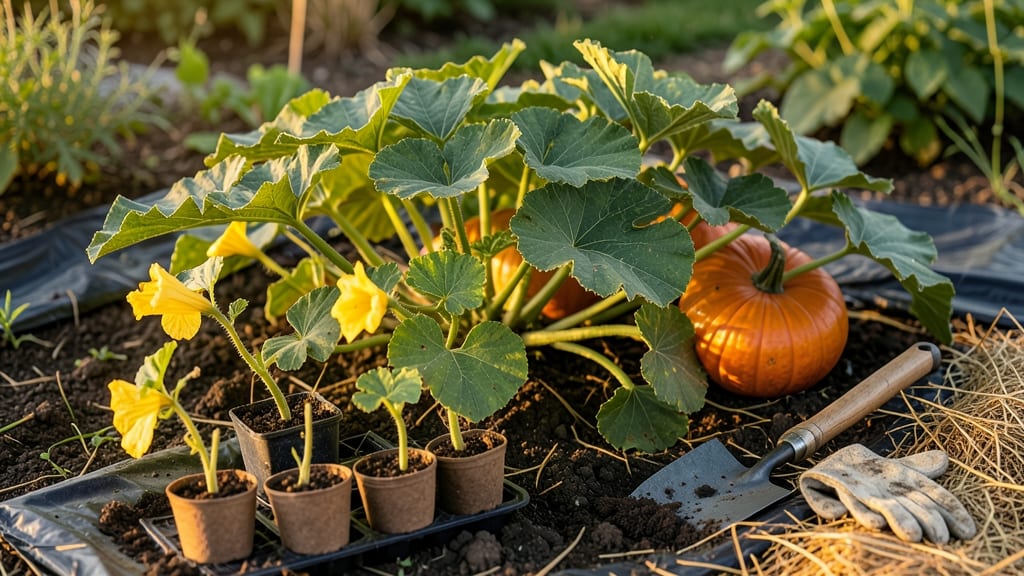
Timing your pumpkin planting in Oregon isn’t just about the calendar—it’s about beating frost, embracing Oregon’s microclimates, and ensuring your 🎃 thrives from seed to harvest.
Whether you’re in the Willamette Valley’s damp cool or Bend’s high-desert warmth, getting the window right means the difference between a bumper crop and a sad, wilted vine.
Most Oregon gardeners swear by planting between mid-April and early June, but that’s just the starting point. Coastal areas like Portland (Zone 8) can wait until late April, while high-desert regions like Bend (Zone 6) need to start earlier to maximize the 150-200 frost-free days they’ll get.
The key? Soil temperature—wait until it hits at least 60°F before sticking seeds in the ground.
You’ve got options beyond timing: seeds or seedlings? Fast-maturing varieties like ‘Jack Be Little’ (just 75 days to harvest) work for shorter seasons, while heirlooms need more time.
And don’t forget—Oregon State University Extension recommends testing soil pH (aim for 6.0-7.0) and prepping beds with compost to give your pumpkins the best shot at success.
Ready to dive deeper? I’ll walk you through exact planting dates by elevation zone, soil prep secrets, and how to protect your pumpkins from Oregon’s unpredictable weather. Let’s get those vines growing!
Oregon pumpkin planting dates by elevation Zone: coastal vs. desert timelines
Oregon’s microclimates create a puzzle for pumpkin growers. While coastal gardeners in Astoria might plant in early May, those in Bend can start as early as mid-April. The key is understanding your USDA zone and last frost dates, which shift dramatically across the state.
Pumpkins need 90-120 frost-free days to mature, so timing is everything. In Zone 7b (Portland), aim for mid-April to early May planting. Meanwhile, Zone 9a (Medford) can plant as early as late March, while Zone 3 (Mount Hood) must wait until late May.
Local gardeners in the Willamette Valley swear by planting after Mother’s Day (May 10) to avoid late spring frosts. In contrast, high-desert areas like La Pine often plant 3-4 weeks earlier due to warmer soil temperatures.
Pro Tip: Use a soil thermometer—pumpkin seeds need 60°F+ soil to germinate. Coastal areas often hit this in May, while inland zones reach it by April.
🌱 Oregon Pumpkin Planting Guide by Elevation
| Zone | Last Frost | Planting Window | Best Varieties |
|---|---|---|---|
| Coastal (3-4) | May 15 | Late May - Early June | ‘Jack Be Little’, ‘Small Sugar’ |
| Willamette Valley (6-7) | April 15 | Mid-April - May 10 | ‘Howden’, ‘New England Pie’ |
| Portland (7b) | April 25 | Late April - Early May | ‘Cinderella’, ‘Autumn Gold’ |
| High Desert (8-9) | March 20 | Late March - April 15 | ‘Sugar Pie’, ‘Minnesota Golden’ |
📌 Note: Adjust for 2-3 weeks earlier in high-desert zones due to faster warming.
If you’re in Zone 6 or 7, consider starter plants from nurseries to jumpstart growth. My neighbor in Hillsboro plants transplants in late April and always gets a 2-week head start over direct-sown seeds.
For coastal gardeners, black plastic mulch can warm soil by 5-10°F, allowing earlier planting. I’ve seen Astoria growers plant in early May with this trick and still harvest by October.
Remember: Pumpkins hate cold feet. Even if your air temperature is warm, soil temperature might still be too chilly. Always check before planting!
Oregon State University Extension recommends monitoring local weather forecasts for unexpected frost warnings, especially in Zone 6. A row cover can buy you 2-3 extra weeks of growing time if frost threatens.
For high-altitude gardens (above 3,000 ft), opt for fast-maturing varieties like ‘Jack Be Little’ (75 days) to ensure harvest before early October frosts roll in.
🎃 Final Tip: Mark your planting date on a calendar and count back 120 days to estimate harvest time. This helps avoid last-minute panic when fall colors start appearing!
How to adjust pumpkin planting for Oregon’s microclimates: soil temp, rainfall, and early frost risks
Oregon’s unpredictable weather—especially in zones 6-7—can turn a pumpkin patch into a gamble. Coastal areas like Astoria face cool, wet springs, while high-desert regions like Bend swing from freezing nights to 90°F days.
Adjusting your planting strategy based on soil temperature, rainfall patterns, and frost risks is key to success.
First, test your soil temperature—pumpkin seeds need at least 70°F to germinate. Use a soil thermometer (or your finger: if it feels warm like a baby’s bath, it’s ready).
In coastal Oregon, this might not happen until late May, while mid-Willamette Valley gardeners can plant as early as mid-April. High-desert areas often hit ideal temps by early May.
Oregon’s excessive rainfall can drown seedlings. If your spring showers don’t let up, consider raising beds or planting on mounds to improve drainage. Mulch heavily with straw to keep soil moist but not waterlogged.
In western Oregon, where foggy mornings linger, wait until afternoon sun warms the soil before planting.
⚠️ Early Frost Alert: Protect Your Pumpkins!
Zones 6-7 (e.g., Portland, Eugene) face unpredictable early frosts in September. If your pumpkins aren’t mature by mid-October, use frost blankets or row covers to extend the season. For high-desert areas, plant fast-maturing varieties (under 90 days) to avoid frost entirely.
Pro Tip: Monitor the Oregon State University Frost Forecast (updated weekly) for real-time risks.
Another Oregon-specific challenge? Cool soil slows germination. If you’re planting in April or early May, cover seeds with black plastic mulch to warm the soil 5-10°F faster.
This trick works especially well in cooler microclimates like the Columbia River Gorge. Avoid clear plastic, which can overheat seeds.
For high-elevation gardens (above 3,000 ft), like those near Mount Hood, start seeds indoors in late March and transplant after last frost (usually June 1).
Use heat mats to jumpstart germination if your greenhouse stays chilly. Hardy varieties like ‘New England Pie’ tolerate cooler temps better than delicate ‘Cinderella’.
Finally, water wisely: Oregon’s summer droughts (even in rainy zones) can stress pumpkins. Deep-water plants once a week (or more in sandy soil), focusing on the roots, not the leaves. Morning watering prevents fungal diseases like powdery mildew, which thrives in Oregon’s humid afternoons.
With these adjustments, you’ll beat Oregon’s climate quirks and enjoy bountiful pumpkins—just in time for fall festivals and spooky season! 🎃