
Vegetables
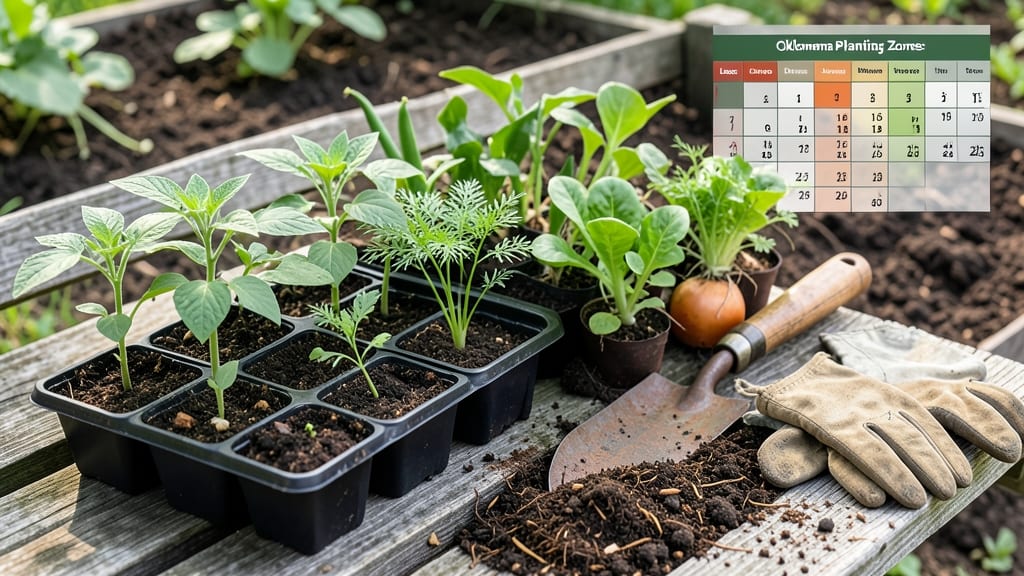
When do you plant vegetables in Oklahoma isn’t just about following a calendar—it’s about beating unpredictable frost and heat waves to grow a thriving harvest without the guesswork.
Whether you're in Oklahoma City’s USDA Zone 7a or the cooler hills of Zone 6, planting too early or late could mean wasted effort—or worse, losing your crops to a sudden freeze.
I’ve spent years tracking Oklahoma’s frost dates and microclimates, and the key to success is knowing exactly when to plant by county. From warm-season favorites like tomatoes and peppers to cool-season greens, this guide gives you the precise windows you need to avoid frost damage and maximize your garden’s potential.
No more second-guessing—just confident planting.
What if you could adjust your planting schedule based on real-time weather data instead of relying on averages? We’ll show you how to use Oklahoma Mesonet tools and simple tricks like row covers to extend your growing season.
Whether you’re a beginner or a seasoned gardener, these strategies will help you grow more with less risk.
Ready to turn your Oklahoma garden into a year-round success? Let’s dive into the county-by-county planting calendar that keeps your vegetables safe from frost—no matter where you are in the state.
Oklahoma vegetable planting calendar by county: frost dates & last safe planting windows
Oklahoma’s USDA Zones 6-7a create a unique challenge for gardeners—late spring frosts can delay planting, while early fall freezes cut harvests short. But with precise county-specific frost dates, you can pinpoint the ideal planting windows for every vegetable.
Northern counties like Enid (Zone 6a) face longer winters, while southern areas like Lawton (Zone 7b) enjoy extended growing seasons.
For cool-season crops like lettuce and spinach, start seeds 4-6 weeks before your last frost date.
In Oklahoma City (Zone 7a), that’s typically mid-March, while in Tulsa (Zone 7a), you can begin late February. Warm-season vegetables like tomatoes and peppers need soil temperatures above 60°F, usually mid-April to early May in most counties.
Here’s how to use this calendar: Check your county’s last spring frost date (average March 15-April 15) and first fall frost date (average October 15-November 15). Plant heat-loving crops after the last frost, and cool-season crops 4-8 weeks before the first frost.
For example, broccoli thrives when sown in early September for a fall harvest.
🌱
| County | Last Spring Frost | First Fall Frost | Warm-Season Start | Cool-Season End |
|---|---|---|---|---|
| Oklahoma City (Zone 7a) | April 5 | October 25 | April 15 | September 1 |
| Tulsa (Zone 7a) | March 25 | October 30 | April 1 | September 15 |
| Lawton (Zone 7b) | March 10 | November 5 | March 20 | October 1 |
| Norman (Zone 7a) | April 1 | October 20 | April 10 | August 30 |
| Enid (Zone 6a) | April 15 | October 15 | May 1 | August 15 |
For high-risk areas like Zone 6a (e.g., Enid), use row covers to extend your spring planting window by 2-3 weeks. In Zone 7b (e.g., Lawton), you can even plant fall greens like kale in early October for a winter harvest.
Always check the Oklahoma Mesonet for real-time updates on soil temperatures and frost warnings.
Pro tip: Start seeds indoors 6-8 weeks before your last frost date for tomatoes, peppers, and eggplants. This gives them a 4-6 week head start in warmer conditions.
For direct-sown crops like beans and cucumbers, wait until soil temperatures reach 60°F—usually late April to early May in most of Oklahoma.
If you’re in northern Oklahoma, prioritize fast-maturing varieties like bush beans (50-60 days) and radishes (25-30 days) to maximize your short growing season. Southern gardeners can afford to grow longer-season crops like heirloom tomatoes (80+ days) with confidence.
🌿
For fall planting, focus on cool-season crops that tolerate light frosts, like carrots, beets, and spinach.
Plant these 8-10 weeks before your first frost—typically late July to early August. Broccoli and cabbage can handle light frosts and even taste sweeter after a 28°F chill, making them ideal
How to adjust planting dates for Oklahoma’s microclimates & unpredictable weather
Oklahoma’s weather can shift faster than a summer storm—one day it’s 75°F, the next it’s 32°F with frost warnings. That’s why flexible planting is your secret weapon.
Whether you’re in Tulsa’s urban heat island or western Oklahoma’s dry plains, adjusting your schedule based on microclimates and real-time data keeps your garden thriving. Here’s how to stay ahead of Mother Nature’s curveballs.
Start by checking the Oklahoma Mesonet for your specific county. This free tool provides hyper-local temperature and frost alerts, so you can tweak planting dates instead of guessing.
For example, if Mesonet predicts a late frost in May, hold off on planting tomatoes or peppers until after May 15—even if your neighbor in a nearby valley is already sowing seeds.
Use row covers or cold frames to extend your growing season. These simple tools can add 2-4 weeks of protection against late frosts in spring or early fall.
For instance, in USDA Zone 7a (like Oklahoma City), you can plant spinach or kale as early as February under row covers, then remove them once temperatures stabilize in March.
🌱 Numbered Highlights: Oklahoma Planting Adjustments
- 1. Start seeds indoors 6-8 weeks before your last frost date (e.g., March 1 for Tulsa, March 15 for Lawton). Use grow lights to avoid leggy seedlings.
- 2. Harden off seedlings for 7-10 days before transplanting to acclimate them to outdoor conditions. Skip this step, and you risk shock from sudden temperature swings.
- 3. Plant heat-lovers late: Wait until soil temps hit 60°F+ for peppers, eggplants, and okra. Use a soil thermometer—don’t guess!
- 4. Succession plant every 2 weeks for bush beans, lettuce, and radishes to ensure a continuous harvest, even if early crops fail.
- 5. Monitor Oklahoma Mesonet daily in April and October for frost alerts. Set up phone alerts to cover your garden with frost cloth if needed.
Don’t overlook microclimates—your garden’s location matters. South-facing slopes warm up faster than low-lying areas, so you can plant warm-season crops 1-2 weeks earlier there. Conversely, shady spots or valleys may need row covers until mid-May.
Even within a city like Oklahoma City, neighborhoods can vary by 5-10°F.
For fall planting, aim to sow cool-season crops like broccoli or carrots by August 15 in northern Oklahoma (Zone 7a) or September 1 in southern Oklahoma (Zone 7b). These timelines ensure they mature before the first frost, which typically hits November 15-30, depending on the year.
Pro tip: Keep a gardening journal to track your local frost dates and planting successes. Over time, you’ll spot patterns—like that 2023’s late frost in April delayed your cucumber harvest by 3 weeks.
Adjust next year’s schedule accordingly. With these strategies, you’ll outsmart Oklahoma’s weather and enjoy a zero-risk harvest.