
Plants
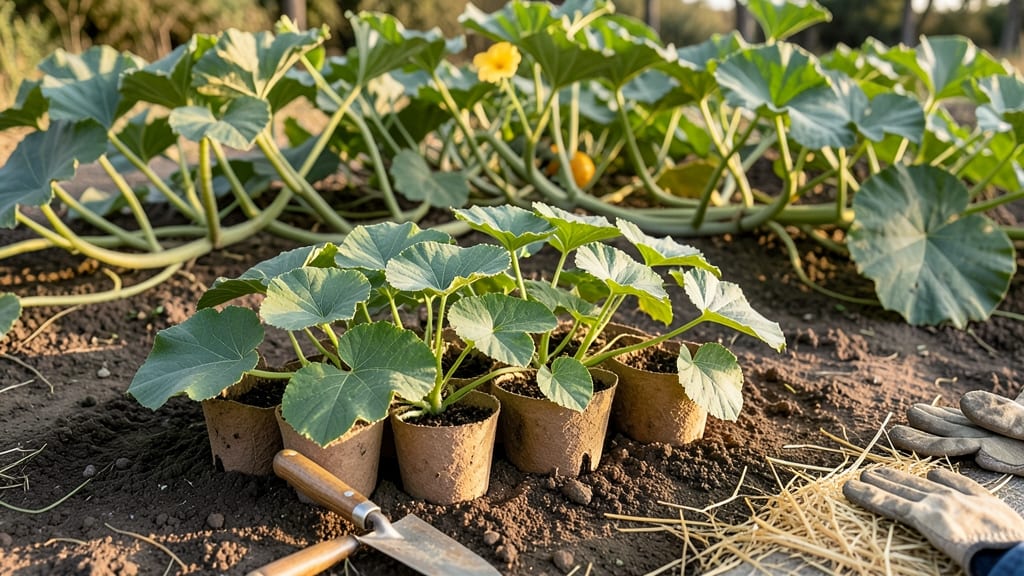
Timing your pumpkin planting in Arizona isn’t just about following a calendar—it’s about outsmarting the desert’s heat and unpredictable frost-free seasons. Skip the generic advice, and you might end up with vines that bolt too fast or wilt before harvest.
The key to success lies in understanding your local microclimate, whether you’re in Phoenix’s low desert or Flagstaff’s cooler highlands.
If you’ve ever wondered why some Arizona gardeners pull off bountiful pumpkin harvests while others struggle, the answer starts with soil temperature. Planting too early risks frost damage, but waiting too long means your vines may struggle in 100°F+ heat.
I’ll break down the exact windows—from seed-starting indoors to direct sowing outdoors—that align with Arizona’s unique growing conditions.
For those in USDA Zone 9b, mid-February to early April is your sweet spot, but elevation and heat tolerance of your chosen variety (like Sugar Pie or Jack Be Little) play a huge role.
Learn how to adjust your schedule based on whether you’re in the low desert, mid-elevation, or highlands, and discover tricks to extend your growing season.
Ready to grow pumpkins that thrive in Arizona’s extremes? Let’s dive into the desert-specific timeline that’ll help you avoid common mistakes and maximize your harvest from July to October.
Arizona pumpkin planting calendar: month-by-month desert timeline
Arizona’s pumpkin planting success hinges on understanding your microclimate zone. Low deserts like Phoenix have earlier planting windows (mid-February), while high-desert areas like Flagstaff wait until late April to avoid false spring frosts. The key is soil temperature—pumpkin seeds need 70°F+ soil to germinate.
In USDA Zone 9b, most Arizonans plant between February 15 and April 1. This window ensures vines mature before summer’s 100°F+ heat stresses them. Varieties like Sugar Pie (75-day harvest) thrive in this schedule, while Cinderella (110-day) needs the full window.
🌱
| Zone | Planting Window | Soil Temp | Best Varieties | Harvest Month |
|---|---|---|---|---|
| Low Desert (Phoenix) | Mid-February to March 15 | 70°F+ | Jack Be Little, Sugar Pie | July-August |
| Mid-Elevation (Tucson) | Late February to April 1 | 65°F+ | Cinderella, Small Sugar | August-September |
| High Desert (Flagstaff) | Late April to May 15 | 60°F+ | Waltham Butternut, Kabocha | September-October |
For direct sowing outdoors, wait until soil reaches 70°F—use a soil thermometer to check. In Phoenix, this typically happens by March 1, while Tucson waits until late March. Black plastic mulch can warm soil 10°F faster, letting you plant 2-3 weeks earlier.
If you’re starting seeds indoors, begin 4-6 weeks before your zone’s last frost date. Use biodegradable pots to avoid transplant shock. Seedlings need 6-8 hours of light daily—supplement with grow lights if natural light is limited.
💧
Watering schedules shift with heat. In March-April, water deeply every 2-3 days to encourage root growth. By June-July, increase to daily watering (1-2 inches per week) to combat 110°F+ temps. Drip irrigation at the base of vines prevents leaf burn.
Watch for heat stress signs: curled leaves, yellowing, or bolting (premature flowering). If vines bolt too fast, use shade cloth (30-50%) to lower temps by 10-15°F. Mulch with straw retains moisture and keeps roots 5-10°F cooler.
🌡️
Harvest timing varies by variety. Sugar Pie (75 days) ripens by late July in Phoenix, while Cinderella (110 days) waits until October. Check for hard rinds, dry stems, and deep color—these signal readiness.
Use a sharp knife to cut stems, leaving 2-3 inches of stem attached to preserve pumpkins.
Cure harvested pumpkins in a warm (80-85°F), dry spot for 10 days to develop flavor and extend shelf life. Store in a cool (50-55°F), dark place for up to 3 months.
Arizona pumpkin planting calendar: month-by-month desert timeline
Arizona’s three distinct desert elevations create wildly different planting windows—low deserts like Phoenix can start in mid-February, while high-desert Flagstaff waits until late April. The key? Soil temperature must hit 70°F+ consistently before seeds go in.
I’ve broken down the exact timing for each zone, plus which pumpkin varieties thrive in Arizona’s brutal heat.
For Phoenix and Tucson (low desert), your planting window opens February 15–March 15. This is when soil warms enough to prevent seed rot while avoiding April’s false frost risks.
In Flagstaff and Prescott (high desert), wait until April 15–May 1—cooler nights mean slower germination, but you avoid May’s 100°F+ heatwaves that stress young vines.
| Zone | Planting Window | Soil Temp | Best Varieties | Harvest Window |
|---|---|---|---|---|
| Low Desert (Phoenix) | Feb 15–Mar 15 | 70°F+ | Sugar Pie, Jack Be Little | Aug–Sept |
| Mid-Elevation (Tucson) | Mar 1–Mar 30 | 65°F+ | Cinderella, Small Sugar | Sept–Oct |
| High Desert (Flagstaff) | Apr 15–May 1 | 60°F+ | Waltham Butternut | Oct–Nov |
Pro tip: Use a soil thermometer to confirm readiness—60°F is the minimum for germination, but 70°F+ prevents fungal diseases. I swear by black plastic mulch to warm soil faster in cooler zones.
For direct sowing, plant seeds 1 inch deep, 2–3 feet apart in hills of 4–6 seeds. If you’re seed-starting indoors, begin 4–6 weeks before your zone’s last frost date.
Watch out for April’s false frost—temperatures can dip to 30°F in high deserts, even after daytime warmth. I’ve lost entire patches of young vines to radiation frost in March. To protect seedlings, use row covers or cloche tunnels until plants are 4 inches tall.
For heat-loving varieties like Jack Be Little, aim for a 90–100 day maturity window to avoid summer bolting.
Once planted, consistent moisture is critical—1–2 inches per week via drip irrigation prevents blossom-end rot. I water mine at 6 AM daily during 100°F+ heatwaves to keep roots cool.
For organic matter, mix in compost at planting and top with straw mulch to retain moisture and deter pests like cucumber beetles.
Timing your harvest is just as critical as planting. In Arizona, July–October is prime pumpkin season, but high-desert growers can extend it into November with row covers.
Look for hard rinds and dry stems—these are your cues. I’ve had Sugar Pie pumpkins last until Christmas when cured properly in a cool, dry shed.
🎃