
Plants
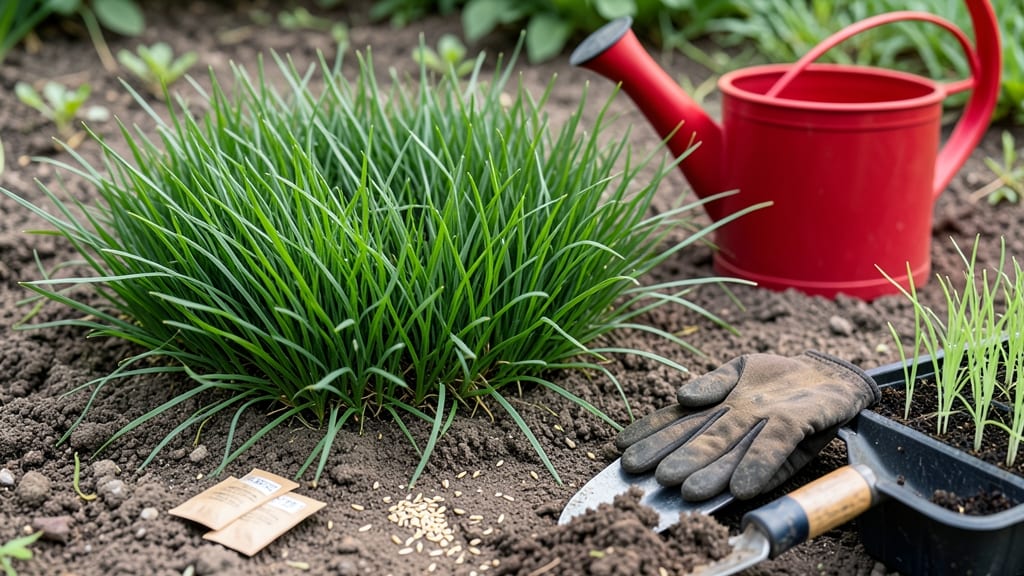
Planting winter grass in Arizona isn’t just about picking a season—it’s about timing it right to beat the heat and drought. The best months to plant are September through November, when temperatures cool down and the ground stays moist just long enough for roots to take hold.
Here’s the catch: Arizona’s microclimates mean what works in Phoenix won’t always suit Flagstaff. Urban areas like Tucson need early September planting to avoid summer’s lingering heat, while higher elevations can sometimes extend the window into December. Getting this wrong could leave you with sparse coverage or wasted seed.
I’ve seen firsthand how a few weeks’ difference can mean the difference between a lush, green lawn and a patchy disappointment. The key is planting 4-6 weeks before your first frost—usually by mid-November for most of the state—and keeping soil temperatures between 60°F and 75°F for optimal germination.
Ready to transform your yard? Let’s break down the exact planting schedule for your region, plus pro tips for soil prep and watering that actually work in Arizona’s dry climate. Your winter lawn starts here.
Optimal winter grass planting dates in Arizona by region
Arizona’s diverse climate means winter grass planting dates vary dramatically from Phoenix’s scorching valleys to Flagstaff’s cooler highlands. In low desert areas like Tucson and Yuma, aim for late September to early October when daytime temps drop below 90°F.
High-desert regions like Sedona and Prescott can plant as early as mid-August thanks to cooler nights.
The key is soil temperature—seedlings need soil between 60°F and 75°F for optimal germination. Use a soil thermometer to check before planting. In Phoenix and Tucson, wait until October 15 to avoid heat stress, while Flagstaff gardeners can start 4-6 weeks earlier when nights stay crisp.
Microclimates matter: Urban areas like Scottsdale may need 2-3 weeks later than rural spots due to heat island effects. Always adjust based on your specific elevation and shade patterns—even within the same city.
For best establishment, plant 4-6 weeks before first frost (typically mid-November in most areas). This gives roots time to develop before winter dormancy. In high-altitude zones like Williams, you might extend planting into early November due to earlier frosts.
🌱 Arizona Winter Grass Planting Guide by Region
| Region | Ideal Planting Window | Soil Temp Threshold | Key Consideration |
|---|---|---|---|
| Phoenix/Tucson | Late Sept - Early Oct | 60°F-75°F | Avoid summer heat |
| Sedona/Prescott | Mid-Aug - Late Sept | 55°F-70°F | Cooler nights |
| Flagstaff | Late Aug - Early Oct | 50°F-65°F | Earlier frost risk |
| Yuma | Oct 1 - Nov 1 | 65°F-75°F | Extreme heat delays |
🌡️ Pro Tip: Check local cooperative extension reports for real-time soil temp data
If you miss the ideal window, December planting is still possible in most areas, but growth will be slower. In Flagstaff and high-desert zones, you can even plant into early November if soil remains workable. The trade-off? Grass may enter dormancy sooner in warmer microclimates.
For best results, choose cool-season grasses like tall fescue or ryegrass that thrive in Arizona’s winter conditions. These varieties establish roots quickly in 50°F-65°F soil and handle our low humidity better than warm-season grasses.
Watering patterns change after planting: Deep watering every 3-4 days for the first 2 weeks helps roots establish before Arizona’s monsoon shadows take hold. Use a rain gauge to track moisture—1 inch per week is ideal during establishment.
Remember: Late fall planting (November) can still work if you protect seedlings with a light frost cloth during occasional 20°F nights in northern Arizona. This gives you a head start on spring green-up.
For urban gardeners, consider shade cloth if planting in full sun—even in winter, Phoenix’s sun intensity can stress young grass. A 30% shade cloth extends the planting window by 2-3 weeks in extreme heat zones.
Key factors that determine the best planting window
Arizona’s winter grass thrives when planted during cooler months, but the exact timing depends on soil temperature, rainfall patterns, and frost risk.
Unlike spring planting, winter grass needs stable soil temps between 60°F and 75°F for optimal germination—too hot or too cold, and you’ll struggle with uneven growth or seed failure.
In most of Arizona, September and October are the sweet spots because daytime temps drop enough to reduce heat stress, while nights stay warm enough to prevent frost damage.
However, high-altitude areas like Flagstaff can plant as early as mid-August due to cooler microclimates, while low-desert zones like Phoenix may need to wait until late September.
Rainfall is another critical factor. Winter grass relies on consistent moisture during establishment, but Arizona’s monsoon season ends by September. If you’re planting in dry years, prioritize irrigation scheduling—aim for 1-1.5 inches of water per week after planting to keep seeds from drying out before roots develop.
Frost risk varies dramatically across the state. In Phoenix and Tucson, frost is rare, but Flagstaff and the White Mountains can see light frosts as early as October. Plant 4-6 weeks before your area’s first frost date to give grass time to establish before dormancy.
For example, Phoenix’s last frost is January 15, so aim for mid-November planting, while Flagstaff’s December 1 frost date means late October is ideal.
🌱 Critical Planting Factors for Arizona Winter Grass
| Factor | Ideal Range | Arizona Adjustments |
|---|---|---|
| Soil Temperature | 60°F–75°F | Use a soil thermometer; wait for temps to stabilize in low-desert areas. |
| Rainfall | 1–1.5 inches/week | Supplement with drip irrigation in drought years or high-desert zones. |
| Frost Risk | 4–6 weeks before first frost | Check local frost dates—Phoenix: Jan 15; Flagstaff: Dec 1. |
| Urban Heat Islands | Wait for cooler nights | Plant in shaded areas or use mulch to reduce soil heat. |
Don’t overlook soil preparation, either. Winter grass prefers well-draining soil with a pH of 6.0–7.5. Test your soil in late summer and amend with compost or peat moss if needed.
Heavy clay soils common in Tucson’s foothills can be improved with sand or gypsum to prevent waterlogging, which stunts root growth.
Finally, adjust for urban heat islands if you’re planting in cities like Phoenix or Mesa. Pavement and buildings trap heat, making soil temps 10°F warmer than rural areas. Plant in shaded spots or use light-colored mulch to reflect heat and keep roots cool.
With these factors in mind, you’ll avoid the most common pitfalls and set your winter grass up for a lush, resilient lawn.