
Plants
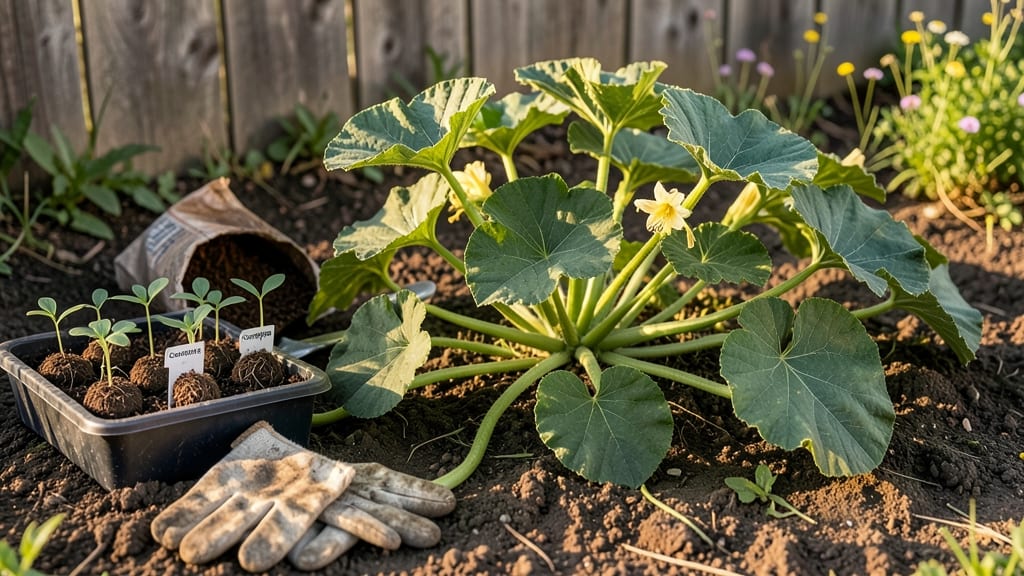
If you've ever planted pumpkins 🌱 in Indiana only to watch your seedlings freeze under late spring frosts, you're not alone—and there's a smarter way. The key to thriving pumpkin vines lies in timing them perfectly with Indiana's unpredictable frost patterns, which can vary dramatically between northern and southern regions.
Most gardeners in Indiana should aim to plant pumpkin seeds outdoors between mid-May and early June, once soil temperatures consistently reach 60°F and the danger of frost has passed.
But here's the catch: Indiana's USDA Zones 5b and 6a mean your exact planting window could shift by weeks depending on whether you're in Fort Wayne or Bloomington.
I'll show you exactly how to calculate your local frost-free date and adjust planting schedules, whether you're starting seeds indoors for an earlier jumpstart or going straight to outdoor sowing. With these practical timing strategies, you'll maximize your pumpkin's growing season and avoid the heartbreak of frost-damaged plants.
Ready to transform your pumpkin patch from hit-or-miss to consistently bountiful? Let's dive into the Indiana-specific techniques that make all the difference between a few small gourds and a harvest fit for a jack-o'-lantern display.
Indiana’s exact pumpkin planting months based on frost zones
Indiana’s USDA Zones 5b and 6a create a tight window for planting pumpkins—get it wrong, and you risk frost damage or stunted growth.
Most of the state’s last spring frost typically falls between April 15 and May 15, but northern Indiana (like Lake County) can see frosts as late as May 20. To avoid disappointment, aim to plant pumpkin seeds when soil temperatures hit 60°F (15°C) or warmer.
For direct sowing outdoors, the safest planting window is May 15 to June 1 in most of Indiana. This timing gives pumpkins enough time to mature before the first fall frost, which usually arrives between October 15 and November 1.
If you’re starting seeds indoors, begin them 4 to 6 weeks before your target outdoor planting date to give seedlings a head start.
Here’s the breakdown by region: Southern Indiana (e.g., Evansville) can plant as early as mid-April under row covers, while northern Indiana (e.g., South Bend) should wait until late May.
Microclimates near large bodies of water, like Lake Michigan, may extend your window by 1 to 2 weeks due to slower cooling.
| Indiana Region | USDA Zone | Last Frost Date (Avg.) | Ideal Planting Window | Soil Temp. Threshold |
|---|---|---|---|---|
| Southern Indiana (e.g., Evansville) | Zone 6a | April 20 - May 5 | April 25 - May 15 | 60°F (15°C) |
| Central Indiana (e.g., Indianapolis) | Zone 5b/6a | April 25 - May 10 | May 1 - May 20 | 60°F (15°C) |
| Northern Indiana (e.g., South Bend) | Zone 5b | May 5 - May 20 | May 15 - June 1 | 60°F (15°C) |
| Lake Michigan Shoreline | Zone 5b | May 10 - May 25 | May 10 - May 30 | 60°F (15°C) |
If you’re transplanting seedlings, wait until all danger of frost has passed and soil is consistently 70°F (21°C) or warmer. Seedlings are more delicate than seeds and can’t tolerate cold snaps. For northern Indiana gardeners, this often means delaying until late May or early June—don’t rush it!
Pro tip: Use a soil thermometer to confirm readiness. Pumpkin seeds need warm soil to germinate; if your thermometer reads below 60°F (15°C), wait another week. Cold soil delays germination by 3 to 5 days, setting your entire harvest back.
For succession planting, consider sowing a second batch in early June if your first planting fails or you want a second harvest. Choose fast-maturing varieties (like ‘Jack Be Little’) for this late planting to ensure maturity before frost. Just be prepared for smaller pumpkins from late-season plantings.
Indiana’s first fall frost typically arrives between October 15 and November 1, leaving you with a 100–120-day growing season. This is why selecting short-season varieties is critical—longer-maturing pumpkins (like ‘Cinderella’) rarely make it to harvest in northern Indiana.
One common mistake is planting too early and having seedlings rot in cold soil. Always harden off seedlings for 7 to 10 days before transplanting, and avoid planting in low-lying areas where frost lingers. Raised beds or mounds can help warm the soil faster in spring.
For maximum yield, space pumpkins 3 to 5 feet apart in rows 6 feet apart to give vines room to sprawl. In smaller gardens, trellising bush varieties (like ‘Small Sugar’) can save space while still producing 3–5 pound pumpkins.
Remember: Indiana’s unpredictable weather means flexibility is key. Keep a frost watch handy and be ready to protect young plants with frost cloths if late frosts strike. With the right timing, you’ll be carving jack-o’-lanterns by October—not picking wilted vines!
Indiana’s exact pumpkin planting months based on frost zones
Indiana’s USDA Zones 5b and 6a mean pumpkin seeds need to hit the ground when soil temperatures reach 60°F (15°C)—usually between mid-May and early June. But don’t guess—check your local last frost date (typically April 15–May 15 in Indiana) and wait 2–3 weeks after that.
Planting too early risks frost damage; too late shrinks your harvest window.
Most Indiana gardeners plant pumpkins directly in the garden (no need for indoor starts) because they’re warm-season crops. However, if you’re eager, you can start seeds indoors 3–4 weeks before your last frost date using biodegradable pots to avoid transplant shock.
Just harden them off for 7–10 days before moving outdoors.
Soil temperature is critical: Use a soil thermometer to confirm it’s 60°F+ at 5 inches deep. Cold soil slows germination, leaving your pumpkins vulnerable to powdery mildew or cucumber beetles—common Indiana pests.
Aim for 75–90 days to harvest before the first frost (October 15–November 1), or opt for fast-maturing varieties if your season is short.
If you’re in Northern Indiana (Zone 5b), prioritize early-maturing varieties like ‘Autumn Gold’ (80 days) to avoid early frosts. Southern Indiana gardeners have more flexibility but should still plant by mid-May to maximize vine growth.
Pro tip: Black plastic mulch warms soil faster, giving you a 2-week head start on germination.
Missed the window? Don’t panic. Succession planting works for pumpkins—sow a second batch 4–6 weeks later if your season stretches into July. Just reduce expectations for giant pumpkins; focus on smaller, faster varieties like ‘Jack Be Little’ (75 days).
And always space vines 4–5 feet apart to prevent disease spread in Indiana’s humid summers.
Remember: Pumpkins love heat, so the earlier you plant, the better. But rush too soon, and you’ll end up with stunted vines or rotten fruit. Balance is key—aim for warm soil, warm air, and a long harvest window to grow pumpkins that’ll make your neighbors jealous. 🎃