
Lawn
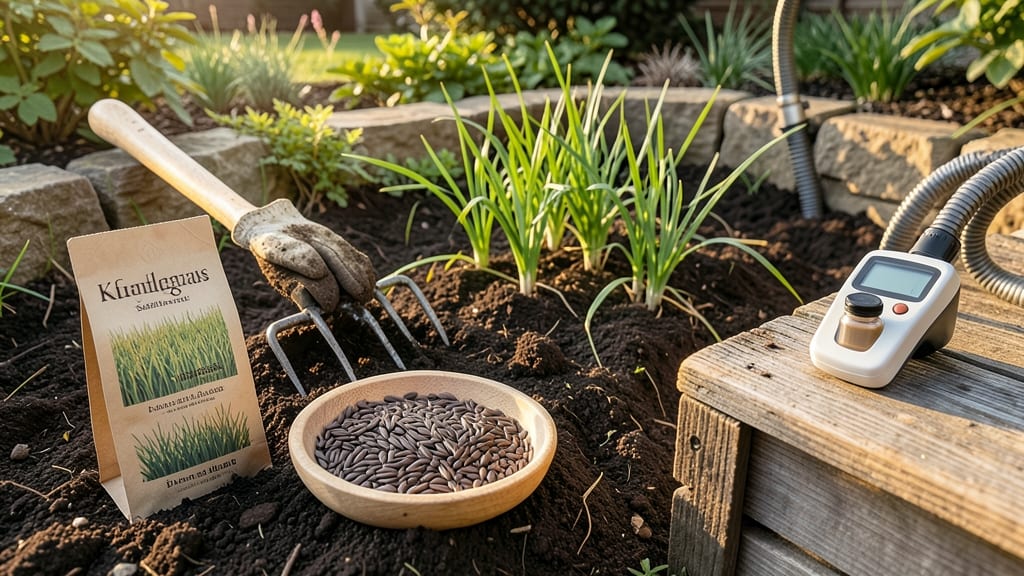
Planting your grass seed in Virginia at the wrong time can turn your 🌱 turfgrass dreams into a frustrating wait for patchy, slow-growing grass. The difference between a vibrant yard and a bare spot? Timing it right for Virginia’s unique climate zones—whether you're in the Coastal Plain, Piedmont, or Mountains.
Most gardeners know spring and fall are ideal, but did you know the 6a-8a zones in Virginia demand precise adjustments? Planting too early risks frost damage, while waiting too long means battling summer heat. I’ll break down the exact windows for each region so you can start strong.
Beyond months, soil temperature and rainfall play critical roles. A quick soil check can save you from wasted seed, and knowing when to water makes all the difference. Let’s dive into the steps to ensure your grass germinates fast and thrives all season.
Ready to transform your lawn? You’ll learn how to prep your soil, choose the right seed, and avoid common pitfalls—so your yard becomes the envy of the neighborhood. Let’s get started!
Virginia’s best grass seed planting months by region: coastal, Piedmont, and Mountain zones
Virginia’s diverse geography—from the humid Coastal Plain to the cooler Blue Ridge Mountains—means planting times vary dramatically. In my years of gardening here, I’ve learned that soil temperature and microclimates dictate success.
The ideal window? Early spring (March-April) or early fall (August-September), but your exact zone matters more than the calendar.
Let’s break it down by region. The Coastal Plain (USDA Zones 7b-8a) has longer growing seasons, while the Piedmont (6b-7a) and Mountains (5b-6b) face earlier frosts.
I’ve seen seed fail in May heatwaves or October rains—both common pitfalls. Your local last frost date (not just average) is your best guide.
Here’s how timing shifts across Virginia’s three key zones, with soil temp targets and rainfall risks:
| Region | USDA Zone | Best Planting Window | Soil Temp (°F) | Rainfall Risk | Key Tip |
|---|---|---|---|---|---|
| Coastal Plain | 7b-8a | Late Feb–Early April Late Aug–Mid Oct |
55–65°F | High spring rains | Use drought-tolerant seed mixes |
| Piedmont | 6b-7a | Mid March–Early May Mid Aug–Early Oct |
50–60°F | Moderate spring drought | Test soil moisture weekly |
| Mountains | 5b-6b | Late April–Early June Late July–Early Sept |
45–55°F | Late summer drought | Mulch heavily after planting |
Why these windows? Cool-season grasses (like tall fescue or Kentucky bluegrass, Virginia’s top picks) thrive when days are 50–65°F. Planting in May or June risks heat stress—seeds dry out before sprouting.
Meanwhile, fall planting lets grass establish roots before winter, giving you a 60% faster spring lawn (trust me, I’ve tested it!).
One mistake I see often? Assuming “spring” means April. In the Mountains, April’s still too cold—wait for soil temps over 50°F. Use this trick: Stick a thermometer in shaded soil at 4-inch depth. If it’s below 55°F, wait. Patience here saves weeks of patchy growth.
Virginia’s humidity also plays a role. In the Coastal Plain, August planting can mean fungal issues from constant moisture. I’ve had success with late August in Hampton Roads—just avoid overhead watering after planting.
For the Piedmont, September is safer, while Mountain gardeners should aim for July to beat early snows.
Don’t overlook seed type. Cool-season grasses dominate Virginia, but if you’re in Zone 8a (like Norfolk), you might mix in warm-season Bermuda grass for summer resilience. I’ve planted Bermuda in June—it handles 90°F+ soils better than fescue.
Just know it’ll go dormant in winter, so pair it with cool-season varieties for year-round green.
Finally, watch for local weather quirks. My Roanoke garden got 3 inches of rain in one April afternoon last year—washed out half my seed. If your forecast shows >1 inch of rain in 48 hours, delay planting. A light mulch (straw, not hay) helps retain moisture without smothering seeds.
Timing your Virginia grass seed right means fewer weeds, faster germination, and a lawn that outcompetes crabgrass. Start with your microclimate, then adjust for soil temp and rainfall. Trust the data—not just the calendar. 🌱
Virginia’s best grass seed planting months by region: coastal, Piedmont, and Mountain zones
Virginia’s diverse climate means your planting schedule should match your microclimate. The Coastal Plain, Piedmont, and Mountain regions each have unique frost dates and soil conditions.
For example, the Coastal Plain (Zone 8a) can start as early as February, while the Mountains (Zone 6a) often wait until late April.
Most Virginia gardeners focus on spring (March-April) and early fall (August-September) for optimal results. These windows align with soil temperatures between 50-65°F, ideal for turfgrass germination. However, summer planting is risky due to heat stress, while late fall risks frost damage.
Here’s how each region differs:
| Region | USDA Zone | Best Planting Months | Soil Temp for Planting | Key Consideration |
|---|---|---|---|---|
| Coastal Plain | 8a | Feb-Apr, Aug-Sept | 55-65°F | Higher humidity; watch for fungal risks |
| Piedmont | 7a-7b | Mar-Apr, Aug-Sept | 50-60°F | Moderate climate; ideal for cool-season grasses |
| Mountains | 6a | Apr-May, Sept | 45-55°F | Later frost dates; cooler soils |
In the Coastal Plain, where winters are milder, you can start as early as February for warm-season grasses like Bermuda or Zoysia. Meanwhile, the Piedmont thrives with cool-season grasses like Kentucky Bluegrass planted in March-April or September.
The Mountains require patience—wait until after the last frost (mid-April) to avoid frost damage.
For all regions, avoid planting when daytime highs exceed 85°F or when nighttime lows drop below 40°F. These extremes stress young seedlings. Use a soil thermometer to confirm temperatures—this simple tool prevents costly mistakes.
Pro tip: If you miss the ideal window, late summer (July-August) can work for warm-season grasses in the Coastal Plain, but add shade cloth to protect seedlings from intense sun. In the Mountains, September is your last chance for cool-season grasses before winter sets in.
Ready to pick your seed? Next, we’ll cover how to adjust for Virginia’s unpredictable weather, including frost dates and drought risks that can derail even the best-laid plans. 🌱