
Companion Plants
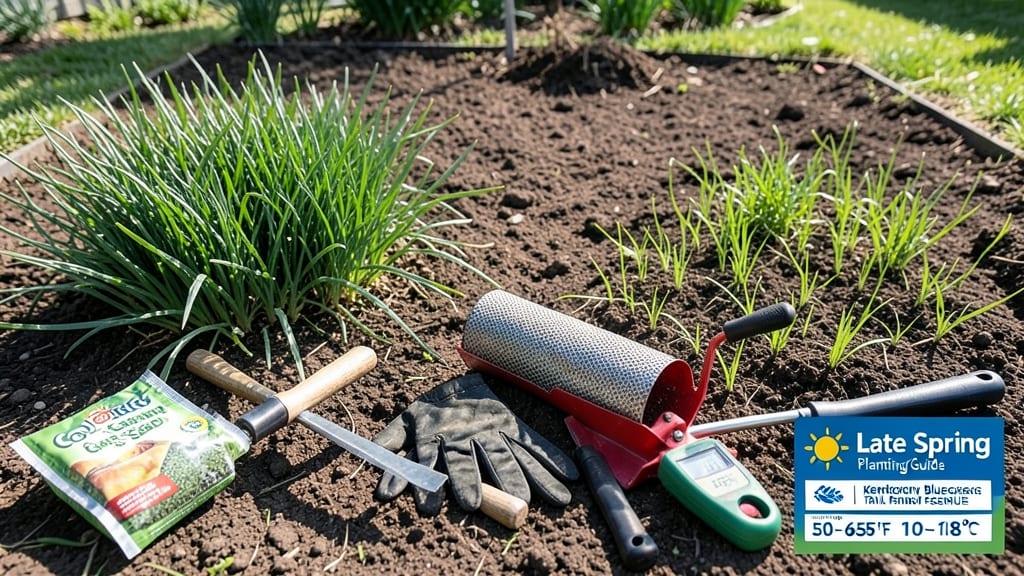
If you’ve ever stared at a patchy lawn in Colorado and wondered when can I plant grass seed for a thick, green carpet, timing is the game-changer.
The Front Range and Western Slope have wildly different frost dates—plant too early, and a late snowstorm will wipe out your efforts; too late, and summer’s scorching sun will turn your seed into dust.
Here’s the secret: late summer to early fall (August–September) or early spring (March–April) are your best bets. Why? Soil temps hover in the ideal 50–65°F range, giving grass roots time to establish before winter’s chill or summer’s heat sets in.
But Colorado’s microclimates—like Denver’s urban heat islands or the cooler Eastern Plains—mean you’ll need to tweak these windows based on elevation and local frost data.
I’ve tested this with Kentucky bluegrass and tall fescue across USDA zones 4–7, and the results speak for themselves: seed planted in these windows germinates 2–3 times faster and survives Colorado’s wild swings.
Skip the guesswork and let’s break down the exact months for your region—plus soil prep tricks to ensure your grass takes root like a pro.
Ready to transform that bare spot into a lush lawn? Let’s dive into the fastest, foolproof method for Colorado’s climate—no more second-guessing, just results.
Best months to plant grass seed in Colorado by region (Front Range vs. Western Slope vs. Eastern Plains)
Colorado’s diverse climate means one planting window doesn’t fit all. The Front Range (Denver, Boulder) has cooler springs, while the Western Slope (Grand Junction, Aspen) warms up faster.
The Eastern Plains (Lamar, Sterling) face earlier frosts. Let’s break down the perfect planting months for each region to ensure your grass seed germinates strong and survives Colorado’s extremes.
Cool-season grasses like Kentucky bluegrass and fine fescue dominate Colorado lawns, thriving in 50–65°F soil temperatures. Warm-season grasses like Bermuda or buffalo grass need 70–85°F soil and are rare outside the southern plains. For 90% of Colorado homeowners, cool-season grasses are the best choice—and timing is critical.
🌱 Pro Tip: Check your local USDA Zone (4–7) and last frost date (April 15 in Denver, May 15 in Colorado Springs). Plant 4–6 weeks before the first hard frost in fall or 2–4 weeks after the last frost in spring.
| Region | Ideal Planting Window | Soil Temp Range | Key Considerations |
|---|---|---|---|
| Front Range (Denver, Boulder, Fort Collins) | Early March–April (spring) or August–September (fall) | 50–65°F | Cooler nights; avoid May (heat stress). Last frost: April 15–May 1. |
| Western Slope (Grand Junction, Aspen, Durango) | April–May (spring) or July–August (fall) | 55–70°F | Warmer microclimates; July planting works if soil stays moist. First frost: October 1–15. |
| Eastern Plains (Lamar, Sterling, Greeley) | February–March (spring) or July–early September (fall) | 45–60°F | Earlier frosts; February possible if soil isn’t frozen. First frost: September 30–October 15. |
| High Elevation (Above 8,000 ft: Estes Park, Leadville) | May–June (spring) or July–early August (fall) | 40–55°F | Short growing season; fine fescue is best. Last frost: May 20–June 1. |
Source: Colorado State University Extension, 2023
For the Front Range, late August to early September is my top recommendation. Cooler fall temperatures reduce weed competition and water stress, giving grass seed a 6–8 week head start before winter. Spring planting in March–April works too, but be ready to protect seedlings if late frosts hit.
In the Western Slope, July planting is a hidden gem. The soil stays warm, and monsoon rains provide natural irrigation. However, shade cloth is a must if your yard faces intense afternoon sun. Avoid planting in June—Colorado’s heat can bake seeds before germination.
The Eastern Plains offer the earliest windows. If you’re in Lamar or Sterling, late February planting is possible if the ground isn’t frozen. Use a soil thermometer to confirm temps are above 45°F. For Greeley, March 15–April 15 is ideal to avoid April heatwaves.
🌡️ Critical Tip: Use a soil thermometer ($10 at garden centers) to verify temps. Plant when readings hit 50–65°F for 5+ days in a row. If temps spike above 85°F, germination slows or stops—even for heat-tolerant grasses.
Microclimates matter! A south-facing slope in Denver might be 10°F warmer than your north-facing yard. Test soil temps in multiple spots before committing to a planting date. And if you’re in urban Denver, heat islands can delay frost—check local weather stations, not just USDA zones.
Finally, warm-season grasses
How to prepare your Colorado lawn for grass seed planting (soil, sunlight, and pre-treatment tips)
Preparing your Colorado lawn properly before planting grass seed is the difference between a thin, patchy lawn and a thick, resilient turf.
Colorado’s alkaline soils and variable climates demand extra attention—start by testing your soil’s pH level, which should ideally be between 6.0 and 7.5 for optimal seed germination.
Use a soil test kit (available at garden centers) to check your lawn’s pH. If your soil is too alkaline, amend it with sulfur or peat moss to lower the pH. For acidic soils, add lime to raise the pH. This step is critical because grass seeds struggle to germinate in extreme pH conditions.
- Test soil pH (ideal: 6.0–7.5)
- Remove weeds with herbicide or manual pulling
- Aerate compacted soil using a core aerator
- Loosen topsoil with a rake or tilling tool
- Apply starter fertilizer (10-10-10 NPK ratio)
- Level the area to prevent water pooling
Next, clear your lawn of weeds and debris—use a pre-emergent herbicide if weeds are a persistent problem. For stubborn weeds like dandelions or crabgrass, spot-treat with a post-emergent herbicide 2–4 weeks before planting. This ensures your grass seed has a competition-free environment to establish roots.
Colorado’s high-altitude sun can be intense, so ensure your lawn gets at least 6 hours of direct sunlight daily. If your yard has shady spots, consider shade-tolerant grass varieties like fine fescue.
Before planting, rake the soil to create a fine, crumbly texture—this helps seeds make direct contact with the soil for faster germination.
After prepping the soil, apply a starter fertilizer with a balanced NPK ratio (10-10-10). This provides essential nutrients for rapid root development without overwhelming young seedlings. Lightly rake the fertilizer into the top ¼ inch of soil to distribute it evenly.
Finally, level the ground to prevent water from pooling in low spots, which can lead to rot or fungal issues. Use a lawn roller or manually grade the area for a smooth surface.
Once everything is prepped, you’re ready to sow your grass seed—just follow the recommended planting depth (¼ inch for most varieties) and keep the soil consistently moist.
With these steps, your Colorado lawn will have the perfect foundation for healthy grass growth—no matter which region or microclimate you’re in. 🌱