
Planting
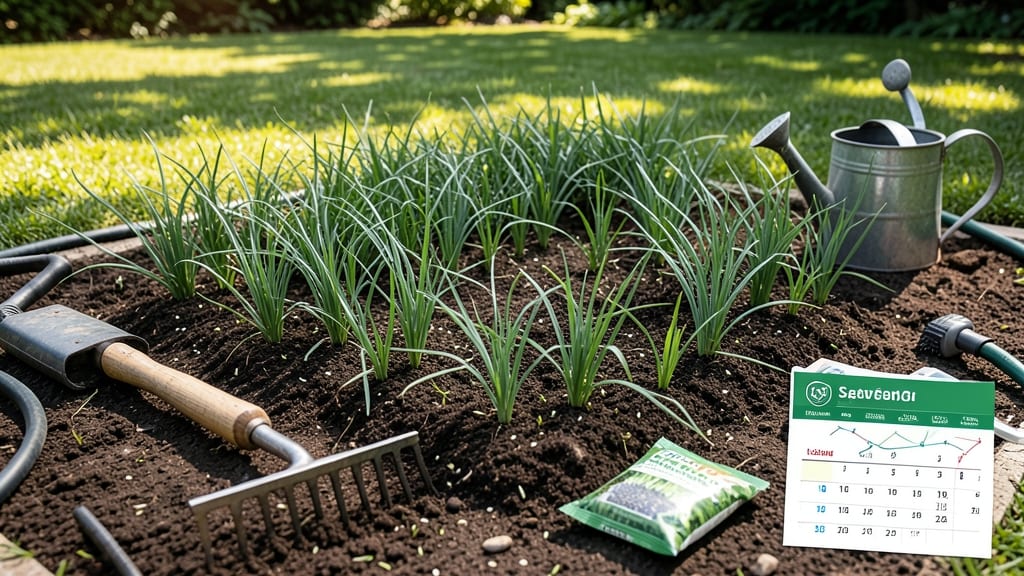
Planting grass seed in Ohio at the wrong time can turn your lawn dreams into a frustrating gamble—especially when unpredictable spring rains or early fall frosts threaten your hard work.
The best window matters more than most gardeners realize, and getting it wrong means wasted seed, uneven growth, or even total failure to establish that lush green carpet you’re dreaming of.
Ohio’s 6a climate zone gives you two prime opportunities: early spring, when the soil warms enough to support germination, and early fall, when cooler temperatures help roots take hold before winter.
But timing isn’t just about the calendar—it’s about avoiding those critical heatwaves or frost risks that can derail your project faster than you’d think.
I’ve seen firsthand how a few weeks’ difference can mean the difference between a thriving lawn and a patchy disappointment. Let me walk you through the exact months to aim for, plus soil prep tips and microclimate tricks that actually work in Ohio’s varied landscapes.
By the end, you’ll know not just when to plant, but how to set yourself up for success—so you can finally enjoy that well-manicured yard without the guesswork.
Ohio’s ideal grass seed planting months by climate Zone
Ohio’s diverse climate—ranging from USDA Zone 5b in the north to Zone 6b in the south—means planting times vary by region. Spring and fall are your best bets, but timing depends on soil temperatures and frost risk.
In northern Ohio, aim for late April to early May or mid-September to early October, while southern Ohio can start slightly earlier, around March to April or August to September. The key is planting when soil temps are 50–75°F and frost isn’t imminent.
Why? Grass seeds need consistent warmth to germinate but can’t handle extreme heat or frost. Planting too early risks frost damage, while planting too late can lead to weak growth before winter sets in.
Ohio’s last frost date typically falls in mid-April, but northern areas may see frost into May. Similarly, first frost arrives in mid-October, earlier in the north.
Here’s how Ohio’s 5 microclimates break down for optimal planting:
For spring planting, wait until the soil warms to at least 50°F and nighttime temps stay above 40°F. Use a soil thermometer to check—seeds won’t germinate in cold soil. In fall, plant 4–6 weeks before the first frost to give seedlings time to establish roots before winter.
Southern Ohio’s milder climate lets you plant earlier, but northern areas must wait for warmer soil.
Pro tip: Kentucky bluegrass and tall fescue—popular Ohio choices—germinate best at 60–70°F. If you’re overseeding an existing lawn, late summer to early fall is ideal because cool-season grasses thrive in cooler temps. Avoid planting in July or August when heat and drought stress young seedlings.
Ohio’s clay-heavy soils can also slow germination, so don’t rush—patience pays off. Once you’ve picked your window, prep the soil by removing debris, loosening the top 2–3 inches, and leveling the area. This ensures good seed-to-soil contact, which is critical for uniform germination.
If you’re unsure about your local frost dates, check the Old Farmer’s Almanac or your county’s agricultural extension office. They provide hyper-localized advice based on recent weather patterns. For example, Toledo’s last frost is often a week earlier than Columbus’s, so adjust accordingly.
Remember: Spring planting gives you a head start for summer’s heat, while fall planting avoids midday heat and establishes roots before winter. Both have pros—choose based on your schedule and local climate.
Once you’ve locked in your timing, water consistently (1/2 inch per week) and keep the soil moist but not soggy for 2–3 weeks to encourage strong germination.
🌱
Ohio’s ideal grass seed planting months by climate Zone
Ohio’s diverse climate zones mean your best planting window depends on where you live.
Most of the state falls under USDA Zone 6a, but northern areas (like Toledo) lean cooler, while southern regions (like Cincinnati) stay warmer longer. Spring and fall are your golden windows—just avoid the dog days of summer or late winter freezes.
For spring planting, aim for March to early May when soil temperatures hit 50°F or warmer.
This gives seedlings time to establish before summer heat sets in. Fall planting works best from mid-August to mid-October, letting grass roots grow before the first frost (mid-October in most of Ohio).
Northern Ohio (e.g., Cleveland, Columbus) has a shorter growing season, so focus on late April to early September. Southern Ohio (e.g., Cincinnati, Dayton) can extend planting into late October since winters are milder. Always check your local frost dates—planting too late risks weak growth before winter.
| Zone | Best Planting Window | Soil Temp Threshold | Frost Risk |
|---|---|---|---|
| Northern Ohio (Zone 5b-6a) | Late April–Early September | 50–65°F | High (first frost: Oct 10–20) |
| Central Ohio (Zone 6a) | March–May & Aug–Oct | 55–70°F | Moderate (first frost: Oct 15–30) |
| Southern Ohio (Zone 6b-7a) | Feb–April & Sept–Nov | 60–75°F | Low (first frost: Nov 1–15) |
If you’re in Zone 5b (northwest Ohio), prioritize early spring planting—seeds struggle to germinate if soil stays below 50°F for too long. In Zone 7a (southern Ohio), you can push fall planting into November, but stop by November 15 to avoid winter stress.
Always test soil temperature with a soil thermometer—it’s your best tool for timing!
Pro tip: Overseeding in fall is ideal for Ohio lawns. Cool temps and frequent rain create perfect conditions for deep root growth before winter. Just avoid planting if a hard freeze is forecasted within 2 weeks—seeds won’t survive.
Remember, shade patterns change with seasons. If your lawn has partial shade, opt for shade-tolerant grass types like fine fescue or Kentucky bluegrass, which handle Ohio’s mix of sun and shade better than Bermuda grass. 🌱