
Plants
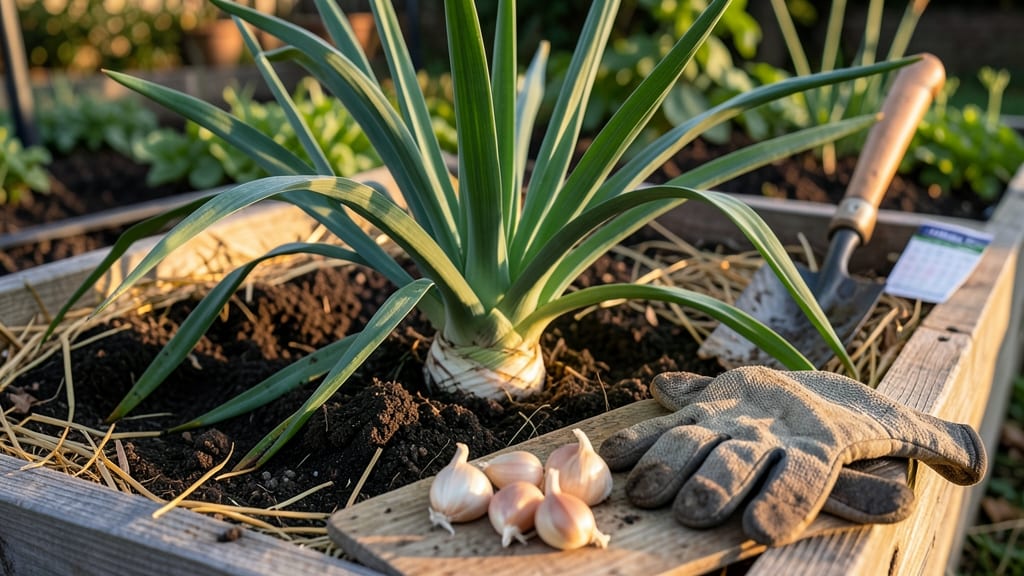
Planting garlic in Minnesota isn’t just about grabbing cloves and sticking them in the ground—it’s about mastering the frost-date math that separates a bountiful harvest from a disappointing flop.
With USDA Zone 4a-5a winters and unpredictable freeze patterns, timing your 🧄 planting window by mid-October could mean the difference between hardy bulbs and wasted effort.
Most gardeners assume garlic is planted in spring, but in Minnesota’s climate, fall planting is the key to success. The goal? Get those cloves into the soil 4-6 weeks before the ground freezes, giving them time to establish roots before winter sets in.
Skip this step, and you’ll end up with stunted growth—or worse, no harvest at all.
Here’s the good news: with the right preparation, you can learn how to plant garlic in Minnesota’s short growing season and still enjoy mid-July to early August harvests.
We’ll break down the exact planting timeline, soil prep tips, and overwintering strategies that work in Zone 4a-5a, so you can avoid common mistakes and grow garlic like a pro.
Ready to discover the secrets to cold-climate garlic gardening? Let’s dive into the frost-date math and planting techniques that’ll have your garlic thriving—even when Minnesota’s winters feel endless.
Minnesota garlic planting calendar: frost dates and hardneck varieties
Minnesota’s USDA Zones 3-5 create a unique challenge for garlic growers—cold winters are actually an advantage for hardneck varieties, but timing is critical. The ideal planting window is mid-October to early November, when soil temps drop below 40°F (4°C) but before the ground freezes solid.
This vernalization process triggers bulb formation, ensuring larger harvests next summer.
Most Minnesota gardeners focus on fall planting because hardneck garlic needs 60-90 days of cold to develop properly. Spring planting (March) is riskier—it can lead to bolting (flowering) if warm spells arrive too early.
For reference, the average first frost in Minnesota hits mid-October, while the last frost typically occurs mid-May.
Here’s the golden rule: Plant garlic 4-6 weeks before the ground freezes. In most of Minnesota, that means October 15–November 1.
Use your local frost date calculator (like the National Weather Service or Almanac) to adjust for your specific microclimate—urban areas may freeze earlier than rural spots.
For hardneck varieties, Minnesota’s climate is perfect. Top picks include 'German White' (mild flavor, great for storage), 'Chesnok Red' (bold taste, cold-hardy), and 'Music' (reliable performer). Softneck varieties like 'Silverskin' struggle in our winters—they’re better suited for milder regions.
🌱
| Stage | Action | Minnesota Timeline |
|---|---|---|
| Soil Prep | Test pH (6.0–7.0), amend with compost | September |
| Planting Window | Plant cloves 4–6" deep, 4–6 weeks before freeze | Mid-October–Early November |
| Overwintering | Mulch with 4–6" straw or leaves | November–March |
| Spring Growth | Remove mulch when shoots emerge (April) | April–May |
| Harvest Ready | Lower leaves brown, bulbs firm | Mid-July–Early August |
Spring planting (March) is possible but risky. If you choose this route, plant as soon as soil is workable (usually March 1–15) and use row covers to protect from late frosts.
The trade-off? Spring-planted garlic often bolts earlier, reducing bulb size. For best results, stick with fall planting.
Pro tip: Use last year’s garlic bulbs for planting—store them in a cool, dark place (like a mesh bag in the fridge) over winter. This ensures you’re starting with viable, cold-acclimated cloves ready for Minnesota’s short growing season.
🌡️
One common mistake? Waiting until November to plant. By then, the ground may already be frozen. Check soil temps with a soil thermometer—aim for 40–50°F (4–10°C). If temps drop below freezing before planting, your garlic won’t establish roots properly, leading to small or no harvests.
For urban gardeners or those in Zone 3 (northern MN), extend your planting window by 2 weeks. In Zone 4-5 (southern MN), you have a 3-week buffer. Always err on the earlier side—garlic planted in late October still thrives, while November plantings are a gamble.
Step-by-step garlic planting timeline for Minnesota’s short growing season
Minnesota’s short growing season demands precision when planting garlic—especially hardneck varieties that rely on cold winters to form bulbs. The ideal window is mid-October to early November, but late March can work if you’re patient. Here’s my foolproof timeline to nail it every time.
First, select your cloves from large, firm bulbs of hardneck varieties like German White or Chesnok Red. Break them apart, ensuring each clove has a full root base.
Store them in a cool, dark place until planting day. Pro tip: Plant by October 15 to avoid winter kill, but no later than November 1—soil should be 40°F or warmer.
- October 1–15: Plant cloves 4–6 inches deep, 4–6 inches apart, with the pointed end up. Use a south-facing bed for winter sun.
- October 16–31: Apply 2–3 inches of mulch (straw or leaves) to insulate bulbs. Water lightly if soil is dry.
- November–February: Let nature do the work—no watering needed. Snow cover acts as extra insulation.
- March 1–15: Remove mulch if temperatures rise above 40°F. Watch for green shoots—signs of spring growth!
- April–June: Fertilize lightly with 5-10-10 in early April. Water deeply every 10–14 days if rain is scarce.
- July: Harvest when lower leaves brown but upper leaves stay green. Cure bulbs in a shady, dry place for 2 weeks.
If you miss the fall window, you can try planting in late March—but this is riskier. Garlic planted after March 15 may bolt (send up a flower stalk) due to warm temperatures, ruining your bulbs.
To mitigate this, choose bolting-resistant varieties like Silverskin or plant in a shaded spot until roots establish.
One critical Minnesota-specific tip: Avoid planting in clay-heavy soil, which stays soggy and can rot cloves. Amend with compost or sand before planting. Also, test your soil pH—garlic thrives in 6.0–7.0. If your soil is too acidic, add lime in the fall.
Finally, mark your calendar for harvest: mid-July to early August is prime time. Look for brown, crispy lower leaves and bulbs that feel firm when squeezed. Don’t wait too long—overripe garlic splits and spoils quickly! Save a few bulbs for next year’s planting.
With this timeline, you’ll beat Minnesota’s unpredictable frosts and grow garlic that rivals commercial stores—without the chemicals. Happy planting! 🧄