
Companion Plants
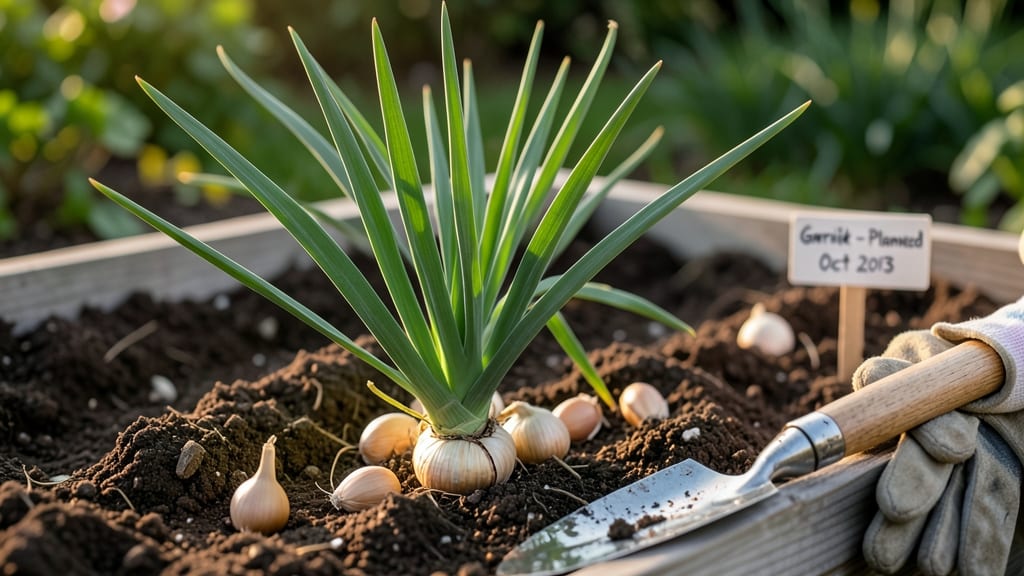
Timing your 🧄 garlic planting in Michigan isn’t just about the calendar—it’s about outsmarting the Great Lakes climate to grow the biggest, bulbiest harvests possible. Plant too early, and frost will ruin your cloves before they even sprout.
Too late, and you’ll miss the sweet spot for hardneck varieties that thrive in Michigan’s 5b-6b zones.
Most gardeners here swear by fall planting—between October and November—when soil temps dip below 50°F but before the ground freezes solid. But did you know softneck garlic gives you a second chance?
We’ll break down exactly when to plant each type for your zone, so you never waste another season.
What if you’re new to growing garlic? No stress—I’ll walk you through the exact steps Michigan growers use to prep soil, protect cloves from winter heave, and avoid the 5 biggest mistakes that kill harvests. Let’s get those cloves in the ground at the perfect moment.
Ready to turn your Michigan garden into garlic gold? The clock’s ticking—literally. Grab your gloves, and let’s dive into the zone-specific schedule that’ll have you harvesting plump bulbs by next summer.
Michigan’s best garlic planting calendar: hardneck vs softneck by zone
Michigan’s USDA Zones 4-6 create unique challenges for garlic growers, but timing is everything. Hardneck garlic thrives when planted in fall (October-November), while softneck varieties offer flexibility with spring or fall planting. The key? Understanding your last frost date and soil temperature trends.
Most of Michigan experiences its first hard frost between mid-October and early November, depending on location. Northern Michigan (Zone 4) freezes earlier than Southern Michigan (Zone 6). Planting 4-6 weeks before ground freeze ensures cloves establish roots before winter dormancy begins.
Hardneck garlic, like 'German Red' or 'Music', needs cold stratification to form bulbs. Softneck varieties, such as 'Artichoke', are more adaptable but still benefit from fall planting. Spring planting is possible but often yields smaller bulbs.
Here’s how to align planting with Michigan’s zones and frost patterns:
For spring planting, softneck garlic is your best bet. Plant cloves 2 inches deep in well-draining soil when soil temperatures reach 40°F. However, bulbs may not reach full size until the second year.
Pro tip: Use a soil thermometer to monitor temperatures. Garlic cloves need 40-50°F soil to sprout consistently. If temperatures drop below 32°F, cover beds with straw mulch to prevent frost damage.
Michigan’s Great Lakes climate brings unpredictable weather. Hardneck garlic planted in late October often outperforms earlier plantings because it avoids winter heaving (when soil freezes and pushes bulbs up).
Always choose large, plump cloves from organic, untreated garlic. Smaller cloves yield smaller bulbs, and treated cloves may not sprout well. Break apart bulbs just before planting to avoid drying.
Remember: Harvest timing (mid-July to August) depends on when you planted. Fall-planted garlic matures 2-3 weeks earlier than spring-planted varieties. Plan accordingly to avoid missing the harvest window.
🌱
How to prepare Michigan soil for garlic planting: climate-specific tips
Michigan’s wet springs and freezing winters create unique challenges for garlic growers.
The key to success lies in preparing your soil to handle these extremes while giving cloves the perfect environment to root before dormancy. Cold soil and excess moisture are your biggest enemies—both can cause rot or frost heave, which pushes bulbs too close to the surface.
Start by testing your soil’s pH level. Garlic thrives in slightly acidic to neutral soil, ideally between 6.0 and 7.0.
Michigan’s clay-heavy soils often lean toward alkaline, so you may need to amend with sulfur or peat moss to lower the pH. A simple home test kit or local extension office can confirm your soil’s current state.
Next, focus on drainage. Poor drainage is a common issue in Michigan’s Zone 5b-6b, where heavy rains and snowmelt can waterlog garlic beds. If your soil feels compacted or holds water after 6 hours, mix in coarse sand or perlite to improve aeration.
Raised beds are another excellent solution for areas with high water tables.
⚠️ Warning: Frost Heave & Rot Risks
Michigan’s freeze-thaw cycles can cause frost heave, pushing garlic cloves too close to the surface where they’ll freeze. To prevent this:
- Mulch heavily (4-6 inches of straw or leaves) after planting to insulate soil.
- Avoid planting in low-lying areas where cold air pools.
- Use container gardening if your yard has poor drainage or extreme cold pockets.
Pro tip: Plant in well-draining loam with 30% organic matter for best results.
Before planting, enrich your soil with compost or well-rotted manure. Garlic is a heavy feeder during its growing season, and Michigan’s short summers mean you’ll want to maximize nutrient availability. Work in 2-3 inches of compost 2-3 weeks before planting to give microbes time to break it down.
For extra protection, consider a cloche or cold frame in early spring to jumpstart growth. This is especially helpful in northern Michigan (Zone 4), where soils warm slowly. Place cloches over planted cloves in late winter to create a microclimate that encourages early root development.
Finally, mark your garlic beds clearly—Michigan’s snow cover can obscure planting rows. Use bamboo stakes or landscape fabric markers to avoid accidentally digging up cloves during winter maintenance.
With these soil prep steps, your garlic will have the perfect foundation to survive Michigan’s harsh winters and reward you with bold, flavorful bulbs next summer.