
Plants
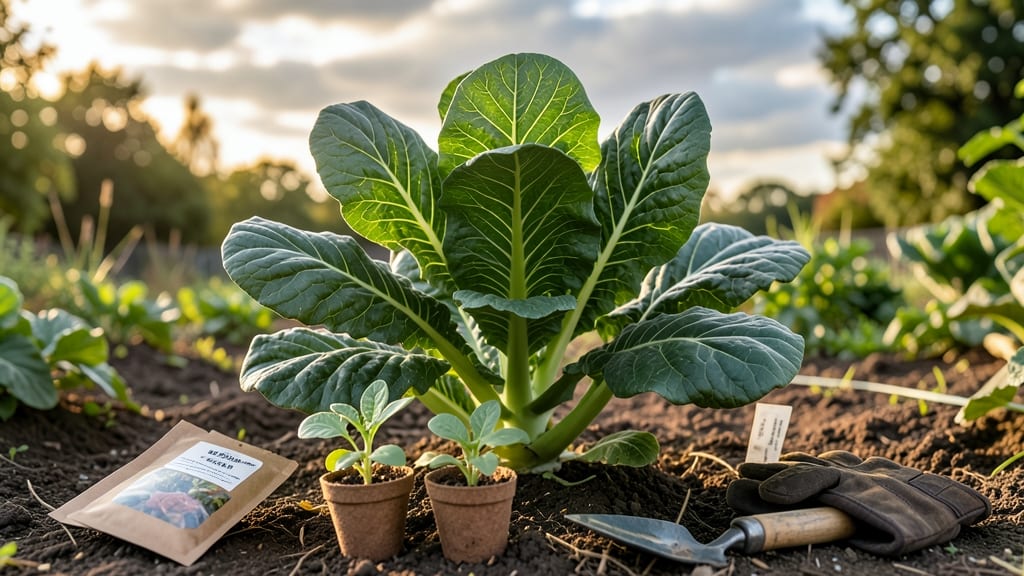
If you're wondering "when do you plant collards in Georgia", the answer depends on whether you're aiming for a spring or fall harvest—and getting the timing right could mean the difference between a thriving garden and lost plants.
Georgia's mild winters and long growing season make collards a fantastic choice, but planting too early risks frost damage while waiting too long can lead to stunted growth from summer heat.
For most Georgia gardeners in USDA Zones 7b-8a, the ideal planting windows are late winter to early spring (February-March) for a spring harvest, or early fall (August-September) for a fall crop.
This timing ensures your 🥬 collards mature before the first frost hits around mid-November, giving you plenty of time to enjoy tender, flavorful greens. The key is understanding your local frost dates and adjusting your schedule accordingly.
What makes collards unique is their ability to thrive in both spring and fall plantings, making them one of the most versatile crops for Georgia's climate.
Whether you're a seasoned gardener or just starting out, mastering these planting windows will help you maximize your harvest and avoid common mistakes that can derail your garden plans.
In this guide, I'll walk you through the exact dates for planting collards in Georgia, including soil preparation tips, frost protection strategies, and how to extend your harvest season. By the end, you'll have all the tools you need to grow collards successfully—no matter which season you choose to plant.
Georgia collard planting calendar by USDA Zone: exact dates to avoid frost
Georgia’s USDA Zones 7b and 8b offer two prime windows for planting collards: late winter/early spring and early fall. Timing is critical—plant too early, and late frosts will kill tender seedlings; too late, and summer heat stresses young plants.
Let’s break down the exact dates for each zone, including microclimate adjustments for North vs. South Georgia.
In Zone 7b (North GA, e.g., Athens, Dahlonega), the last frost date averages March 15, while Zone 8b (South GA, e.g., Savannah, Macon) rarely sees frost after February 15. These dates dictate your planting schedule to ensure hardy collards mature before winter’s chill or summer’s heat sets in.
For spring planting, aim to transplant collards 6-8 weeks before your last frost date. In Zone 7b, this means January 20–February 15; in Zone 8b, you can start as early as January 1–January 15.
For fall planting, transplant 4–6 weeks before the first frost: August 15–September 15 in Zone 7b and September 1–15 in Zone 8b.
| Zone & Location | Spring Planting Window | Fall Planting Window | Last Frost Date | First Frost Date |
|---|---|---|---|---|
| Zone 7b (North GA: Athens, Dahlonega) | Jan 20–Feb 15 | Aug 15–Sep 15 | March 15 | Nov 15 |
| Zone 8b (South GA: Savannah, Macon) | Jan 1–Jan 15 | Sep 1–Sep 15 | Feb 15 | Nov 1 |
| Microclimate Adjustments | Add 2 weeks earlier for sheltered areas | Delay 1 week in frost-prone valleys | — | — |
If you’re starting collards from seed (which takes 4–6 weeks to transplant), begin indoors in early January for spring or mid-July for fall. Seedlings need 6–8 hours of sunlight daily and 60–65°F soil temps to germinate properly. Use grow lights if natural light is limited during winter.
For direct sowing, wait until soil temps reach 50°F+—typically mid-March for spring and late August for fall. Direct-sown collards may take 2 weeks longer to mature but are more resilient to transplant shock. Mix seeds with sand for even spacing and cover lightly with 1/4-inch soil.
Pro tip: Use row covers or cold frames to extend your planting window by 2–3 weeks in early spring or late fall. These protect seedlings from 28°F+ frosts while allowing sunlight to penetrate. Remove covers during the day if temps rise above 70°F to prevent overheating.
In Zone 7b, where frosts linger longer, prioritize fall planting for the sweetest, most tender collards. In Zone 8b, both spring and fall crops thrive, but avoid planting after September 15—summer’s residual heat can stress young plants. Always monitor your local Almanac’s frost predictions for real-time adjustments.
Collards planted in late August or early September often produce the best flavor because cooler fall temps reduce bitterness. Harvest begins 60–80 days after transplanting, depending on variety. For continuous harvests, succession plant every 2 weeks from August through September.
One common mistake? Planting collards in full summer heat (June–July). Temperatures above 90°F cause bolting (premature flowering) and bitter leaves. Instead, focus on spring and fall for optimal growth and flavor.
How to extend your collard harvest: succession planting and frost protection tips
One of the best ways to enjoy 🥬 collards all season long in Georgia is through succession planting. By staggering your plantings every 2-3 weeks, you can ensure a continuous supply of fresh greens from spring through fall.
For example, start your first batch in late February and follow with additional plantings through mid-March for a spring harvest, then repeat in August for a fall crop.
This method works especially well in Georgia’s USDA Zones 7b-8a, where you can take advantage of the state’s long growing season. Each new batch will mature just as the previous one is ready for harvest, giving you a steady supply without overwhelming your garden at once.
Plus, it reduces the risk of losing your entire crop to unexpected frost or heatwaves.
The key to successful succession planting is maintaining consistent soil moisture and nutrient levels. After each planting, apply a 2-3 inch layer of mulch to retain moisture and regulate soil temperature.
This is particularly important in Georgia’s humid climate, where soil can dry out quickly during summer heat or become waterlogged after heavy rains.
- Start your first batch 4-6 weeks before your last frost date (typically mid-March for Zone 7b).
- Make successive plantings every 2-3 weeks until mid-May for spring crops.
- For fall crops, begin in early August and continue through early September.
- Thin seedlings to 12-18 inches apart to prevent overcrowding and disease.
- Use row covers or cold frames for late-season plantings to extend harvest.
Another critical strategy for extending your collard harvest is frost protection. Georgia’s first frost typically arrives around mid-November, but late frosts can occur as late as December. To safeguard your plants, use floating row covers or lightweight blankets on nights when temperatures drop below 32°F.
These covers allow sunlight to penetrate while trapping heat and protecting tender leaves.
For even more protection, consider planting collards near warm microclimates, such as south-facing walls or near heat-retaining structures. These areas can delay frost by several weeks, giving your plants extra time to mature.
Additionally, choose cold-hardy varieties like 'Georgia Southern' or 'Vates'—both are well-suited to Georgia’s climate and can withstand light frosts better than other types.
Finally, don’t forget about companion planting to boost your collard harvest. Pairing collards with bush beans, radishes, or onions can improve growth by deterring pests and enhancing soil fertility. This natural synergy reduces the need for chemical interventions and keeps your garden thriving throughout the season.