
Plants
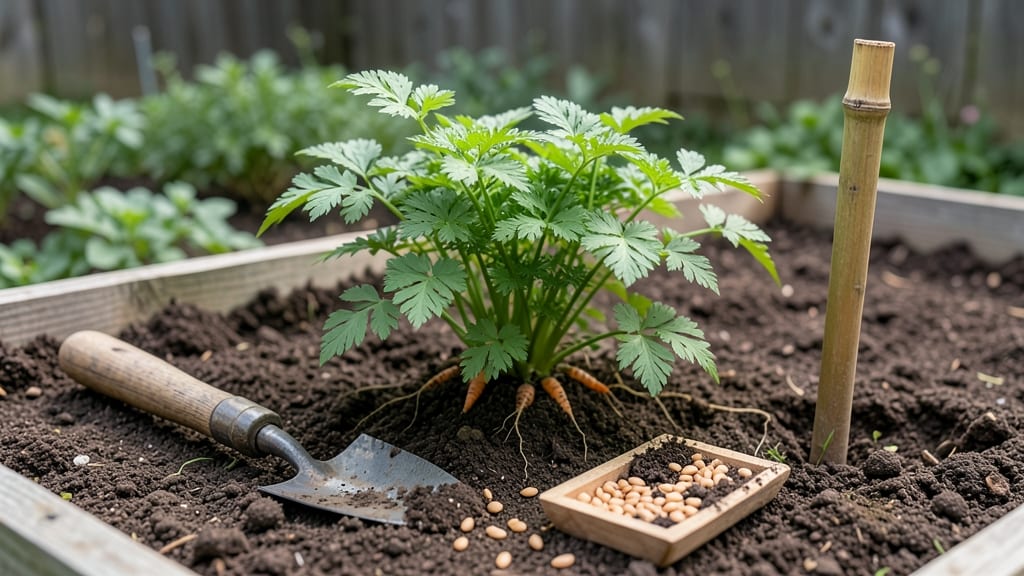
If you’ve ever tried growing 🥕 when do you plant carrots in Texas only to watch them bolt in the heat or turn woody before harvest, you’re not alone. The key to success isn’t just luck—it’s knowing exactly when to plant them for your specific heat zone.
Texas gardeners face unique challenges, from North Texas’s chilly winters to South Texas’s scorching summers. But with the right timing—typically late summer to early spring—you can grow sweet, crisp roots year-round, even in USDA zones 8a-10b.
I’ll break down the best planting windows for your region, so you can avoid common pitfalls and enjoy a steady harvest from October to May.
Whether you’re a first-time gardener or a seasoned grower, mastering the art of seasonal planting means fewer wasted seeds and more homegrown goodness. Let’s dive into the strategies that work for Texas soil and climate, so you can enjoy that satisfying crunch without the guesswork.
From soil prep to succession planting, I’ll share the exact steps to keep your carrots thriving—no matter where you are in the Lone Star State. Ready to grow carrots that taste like summer, even in the heat?
Texas carrot planting calendar by heat zone: best months for sweet harvests
Texas’ diverse heat zones (7b-10b) mean your carrot planting schedule should match your region. North Texas (7b-8a) has earlier frosts, while South Texas (9a-10b) can grow carrots nearly year-round. The key is planting when soil temps stay below 80°F to prevent bolting and woody roots.
For crisp, sweet carrots, focus on fall, winter, and early spring plantings. In North Texas, start as early as late August for a fall harvest, while Central and South Texas can extend planting into early March before summer heat sets in.
Here’s your heat-zone planting guide to avoid common Texas pitfalls like forked roots (from rocky soil) or bitter flavor (from heat stress).
| Heat Zone | Best Planting Months | Soil Temp Threshold | Harvest Window | Key Tip |
|---|---|---|---|---|
| North Texas (7b-8a) | Late August - September February - March |
50-75°F | October - November April - May |
Use black plastic mulch to warm soil in spring. |
| Central Texas (8a-9a) | September - October January - February |
55-70°F | November - December March - April |
Plant shade-tolerant varieties for summer. |
| South Texas (9a-10b) | September - November January - March |
60-75°F | October - December March - May |
Use drip irrigation to avoid water stress. |
In North Texas, your last frost date (around December 15) signals the perfect time to plant winter-hardy varieties like 'Purple Haze'. These can handle light frosts and deliver sweet roots even in January.
For Central and South Texas, September is your best bet for a fall harvest. The cooler nights (below 75°F) prevent bolting, while longer daylight ensures steady growth. Avoid planting after March unless you’re using shade cloth.
Pro tip: Test soil temps with a soil thermometer before planting. Carrot seeds need soil temps between 50-75°F to germinate properly. If temps rise above 80°F, switch to shade-tolerant varieties like 'Paris Market'.
Texas gardeners often overlook soil prep, but loose, rocky-free soil is non-negotiable for straight carrots. Mix in compost and sand to improve drainage. Rocky soil causes forked or stunted roots, a common complaint in Texas gardens.
If you’re in South Texas, you can plant every 3-4 weeks from September to March for a continuous harvest. Just monitor soil moisture—drought stress turns carrots woody faster in 90°F+ heat.
For North Texas, focus on fall and early spring plantings. The shorter days of winter slow growth, but the cooler temps prevent bolting. Use row covers in late winter to extend your harvest into April.
Remember: Carrots hate heat. Once temps hit 85°F+, growth slows, and roots become woody and bitter. Plan your planting schedule to harvest before May in most of Texas.
How to extend carrot season in Texas: succession planting tips for non-stop harvests
Texas summers can be brutal for carrots, but with the right succession planting strategy, you can enjoy fresh harvests from fall through spring. The key is to beat the heat by planting in shorter windows and using heat-tolerant techniques like shade cloth and mulching.
Start by planting your first batch in late August—just as summer temperatures begin to dip. This gives carrots time to establish roots before the 90°F+ heat peaks. For South Texas (Zone 9a-10b), you can even push this to early September with extra shade.
Here’s how to maximize your harvest with succession planting in Texas:
- Late August: First planting for fall harvest (ready by October-November).
- Mid-September: Second batch for late fall/winter (harvest December-February).
- Early October: Third planting for spring harvest (ready by March-April).
- Mid-October: Final batch for early spring (harvest April-May).
For North Texas (Zone 7b-8a), where winters can be chilly, focus on fall and early spring plantings. Use row covers in late winter to protect young plants from light frosts (below 28°F).
Mulching with straw or wood chips keeps soil cool and retains moisture—critical in Texas’s dry heat. Water deeply in the morning to prevent bolting, and avoid overhead watering to reduce disease risk.
Choose short-day varieties like 'Paris Market' or 'Little Finger' for faster harvests in hot conditions. These mature in 50-60 days, giving you more planting opportunities before summer’s peak.
With these strategies, you can enjoy crisp, sweet carrots nearly year-round—no summer break needed! 🥕