
Plants
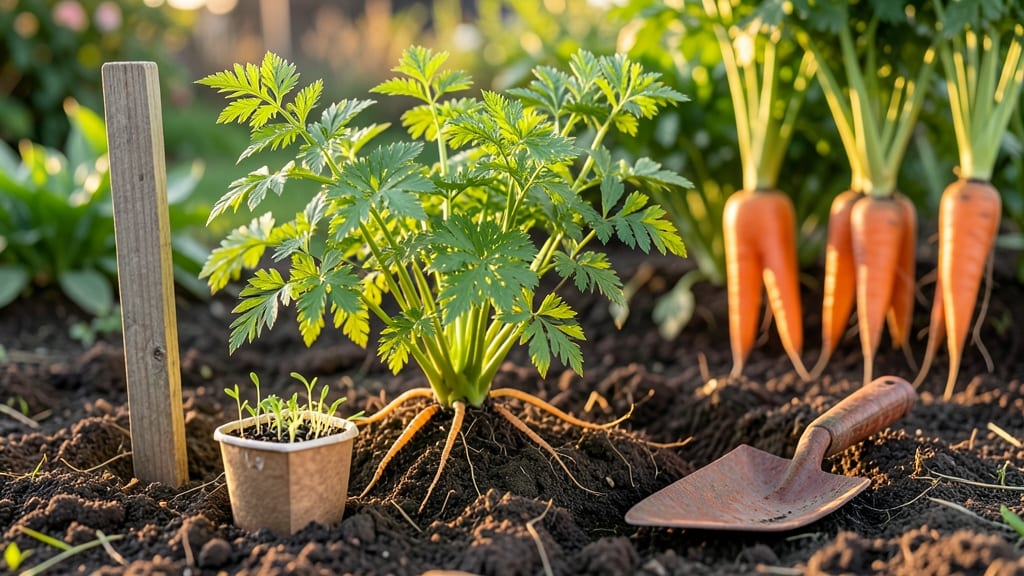
Planting carrots in Zone 6a at the wrong time can turn your crisp, sweet dreams into bitter disappointment—especially when bolting steals your harvest before it even starts.
The key to success lies in timing those seeds 2–3 weeks before your last frost date, typically around mid-March, to give your 🥕 roots the cool soil they crave while avoiding summer heat.
Most gardeners in 6a make the mistake of waiting too long, only to watch their carrots mature too late in the season. But with the right schedule—spring plantings in early April and fall sowings in late July—you can stretch your harvest from May through September without stress.
I’ll show you exactly how to sync your planting with frost dates for foolproof results.
Why does this matter? Because nothing beats the satisfaction of pulling fresh, homegrown carrots straight from your garden. The secret isn’t just about when you plant—it’s about preparing your soil, choosing the right varieties, and knowing when to thin those seedlings for maximum growth.
Let’s break it down so you can enjoy a bountiful harvest every season.
From avoiding woody roots to extending your growing window, I’ll cover all the practical tips you need to make carrot growing in Zone 6a effortless. Ready to dig in?
Exact weeks before last frost to plant carrots in Zone 6A
In Zone 6A, your last average frost date typically falls around April 15. For crisp, sweet carrots, you’ll want to plant 4–6 weeks before that date—so aim for mid-to-late March. This timing ensures your carrots mature before summer heat stresses them or bolting occurs.
Carrots thrive when soil temperatures reach 50–60°F. In Zone 6A, soil usually warms to this range by early April, making it the perfect window to start sowing. If you’re using cold frames or row covers, you can even plant as early as late February for a jumpstart.
For a fall harvest, focus on late July to early August plantings. This gives your carrots 80–90 days to mature before the first frost (October 15). Use shade cloth in late summer to prevent bolting from long daylight hours.
Here’s a quick reference for your planting schedule in Zone 6A:
| Season | Planting Window | Weeks Before Last Frost | Soil Temp |
|---|---|---|---|
| Spring | Mid-to-late March | 4–6 weeks | 50–60°F |
| Fall | Late July–Early August | 10–12 weeks before first frost | 60–70°F |
If you’re growing short-season varieties like Paris Market (ready in 50 days), you can squeeze in a late spring planting around May 1. These varieties tolerate cooler soil and are perfect for succession planting every 2–3 weeks to extend your harvest.
To avoid bolting (when carrots flower prematurely), never let soil temperatures exceed 75°F. In Zone 6A, this means avoiding June plantings unless you use shade cloth or plant in partial shade. Bolting turns your sweet roots into bitter, leafy tops—so timing is key!
For container gardening, follow the same timing but choose shorter varieties like Little Finger. Containers warm up faster, so you might need to plant 1–2 weeks earlier than in-ground plantings to match soil temperature cues.
Pro tip: Use a soil thermometer to confirm temperatures before planting. If soil is below 50°F, wait a few days—cold soil slows germination and can lead to rot or stunted growth. Patience here pays off with straighter, sweeter carrots.
Remember, Zone 6A’s short growing season means every week counts. By sticking to these planting windows, you’ll maximize your harvest and avoid common pitfalls like forked roots (from rocky soil) or bolting (from heat stress). Happy planting!
Exact weeks before last frost to plant carrots in Zone 6A
In Zone 6A, your last average frost date is around April 15, but soil temperatures are the real game-changer for carrots. They need 45-55°F soil to germinate properly—plant too early, and your seeds may rot in cold, damp soil.
Aim for 2-3 weeks before your last frost, typically late March to early April.
For a fall harvest, your window shrinks dramatically. Plant 8-10 weeks before your first frost (around July 15-August 1 in Zone 6A). This gives carrots enough time to mature before temperatures dip below 40°F, which can stunt growth and cause bolting.
🌱 Carrot Planting Timeline for Zone 6A
| Season | Planting Window | Soil Temp | Days to Harvest |
|---|---|---|---|
| Spring | Late March - Early April | 45-55°F | 60-80 days |
| Summer (Succession) | Every 2-3 weeks until June | 50-65°F | 50-70 days |
| Fall | Mid-July to Early August | 55-65°F | 60-75 days |
⏰ Pro Tip: Use a soil thermometer to confirm temperatures before planting—carrots won't germinate below 45°F!
If you're using cold-hardy varieties like Nantes or Danvers, you can push your spring planting 1-2 weeks earlier by using black plastic mulch to warm the soil. Just remove it once seedlings emerge to prevent overheating.
For fall carrots, prioritize shorter-day varieties like Paris Market or Little Finger, which mature faster and tolerate cooler temps better. These can even handle light frosts after harvest, making them ideal for late-season gardens.
Watch for soil crusting after planting—carrots need loose, stone-free soil to develop straight roots. If your soil is heavy clay, mix in compost or sand before sowing. This is especially critical in Zone 6A's dense soils, where rocks can cause forked roots.
Remember: Succession planting every 2-3 weeks in spring ensures a steady harvest. Even if your first planting bolts from heat, later batches will keep producing until early October in Zone 6A.