
Plants
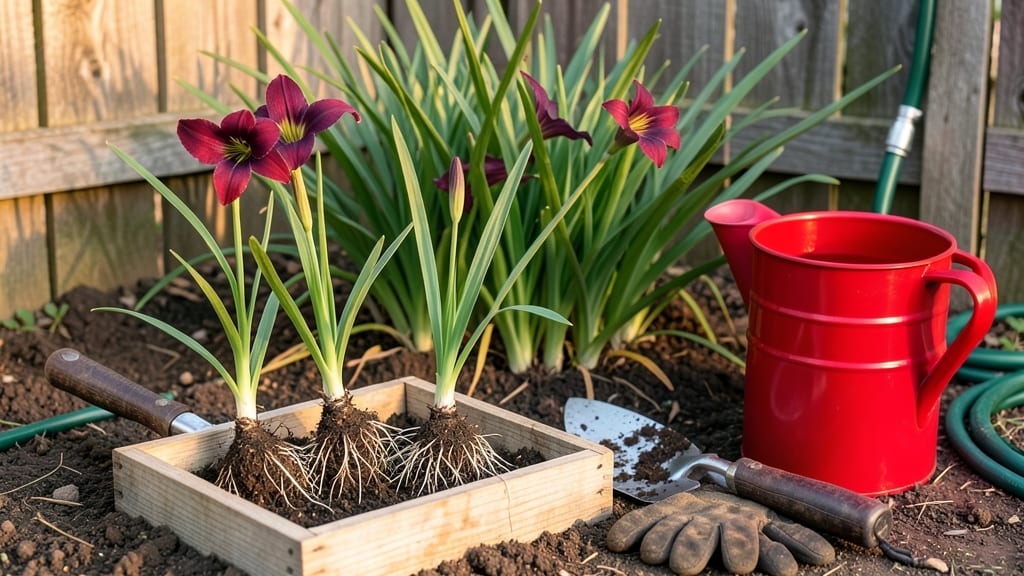
Planting your 🌸 daylilies at the wrong time in Texas could mean the difference between vibrant summer blooms and struggling plants that never recover. If you've ever watched your hard work wilt under the relentless Texas sun or freeze in an unexpected chill, you know timing is everything.
Texas gardeners in zones 8a-10b have two prime windows to plant daylilies: fall or early spring. But here's the catch—what works in frost-prone North Texas won't cut it in the heat of South Texas.
I'll show you exactly when to dig in for your specific region, so you can avoid common mistakes and give your daylilies the best possible start.
Whether you're prepping in-ground beds or containers, the right timing helps roots establish before summer's brutal heat kicks in. You'll discover how to read your local frost dates, adjust for soil temperatures, and even beat the competition with mulching techniques that keep roots cool.
Let's cut through the guesswork so you can enjoy months of those cheerful blooms without the stress. Ready to plant with confidence? Let's get started.
Texas heat zones explained: best planting months by region
Texas spans USDA zones 6a to 10b, meaning frost dates vary wildly—from December in North Texas to rare frost in South Texas. Daylilies thrive when planted 6-8 weeks before your first frost or after the last frost risk passes.
Let’s break down the best months for your region to avoid heat shock or cold damage.
In North Texas (Zones 7a-8a), like Dallas or Fort Worth, aim for September-October (fall) or February-March (spring). These windows give roots time to establish before summer’s 100°F+ heat or winter’s 20°F dips. South Texas (Zones 9a-10b) gardeners have more flexibility—September-November or even January-February work well.
Central Texas (Zones 8a-9a), including Austin, straddles the line. Fall planting (September-October) is ideal—soil stays warm enough for root growth, but nights cool down to protect tender new shoots. Spring planting here must wait until after March 15 to avoid late frosts.
El Paso and West Texas (Zone 7b-8a) face harsher winters and intense summer heat. Plant in September-October for fall establishment or March-April to beat the June heatwave. Pro tip: Mulch heavily in both cases to retain moisture and regulate soil temps.
Here’s a quick regional cheat sheet to avoid guesswork:
| Region | USDA Zone | Best Planting Months | Avoid Planting |
|---|---|---|---|
| North Texas (Dallas, Fort Worth) | 7a-8a | September-October, February-March | April-July (extreme heat) |
| Central Texas (Austin, San Antonio) | 8a-9a | September-October, March-April | November-January (frost risk) |
| South Texas (Houston, Corpus Christi) | 9a-10b | September-November, January-February | June-August (peak heat) |
| West Texas (El Paso, Lubbock) | 7b-8a | September-October, March-April | November-February (frost) |
For city-specific timing, check your local frost dates—the Texas A&M AgriLife Extension offers free frost calendars. For example, Austin’s last frost averages March 15, while Houston’s is January 31. Planting too early in these zones risks frost damage to young roots.
Daylilies planted in fall get a head start on root growth before summer’s heat hits. Those planted in spring need extra care to avoid wilting under 100°F+ temps. I’ve seen fall-planted daylilies bloom 2-3 weeks earlier than spring-planted ones—worth the extra effort!
Pro move: Test your soil’s temperature before planting. Daylilies prefer soil above 60°F. Use a soil thermometer to confirm—cool spring soil can stall root growth. In North Texas, wait until soil warms to 65°F+ in spring for best results.
Remember, container-grown daylilies adapt faster to heat than in-ground plants. If you’re in Zone 9b+, you can even plant year-round with proper mulching and watering. But for most Texas gardeners, fall or early spring is the golden window.
Next up: We’ll dive into fall vs. spring planting—why one often outperforms the other in Texas’s brutal climate. Spoiler: It’s not what you’d expect!
Fall planting vs. spring planting: which works best for Texas daylilies?
Texas’s extreme heat and variable frost dates make planting timing critical for daylilies. While both fall and spring work, one season gives your plants a huge survival advantage in our brutal summers. Let’s break down the pros and cons so you can choose wisely.
Fall planting (September–November) is often the best choice for Texas gardeners. Daylilies establish strong roots before summer, giving them a head start against 100°F+ temperatures. Spring planting (February–March) risks heat stress as roots struggle to adapt during peak growing months.
Here’s how the two seasons compare for your Texas daylily success:
Fall Planting
- Pros: Cooler soil temps, less water stress, established roots for summer
- Cons: Limited time to prep before first frost in North Texas
Spring Planting
- Pros: Longer growing season, avoids frost risk
- Cons: Heat shock if planted too late, drought stress during establishment
For North and Central Texas (USDA zones 7b–9a), aim to plant daylilies 6–8 weeks before first frost. In Austin or Dallas, that’s late September–early October. South Texas (zones 9b–10a) can plant through November or even early spring with minimal frost risk.
If you choose spring planting, harden off daylilies by mid-February to avoid late-winter freezes. Water deeply 2–3 times weekly for the first month to help roots adapt. Mulch with 2–3 inches of organic matter to retain moisture and regulate soil temperature.
Pro tip: Divide daylilies in early fall (September) for stronger transplants. This gives roots 3–4 months to establish before summer heat peaks. Avoid dividing in spring or late fall, as new growth struggles in extreme conditions.