
Plants
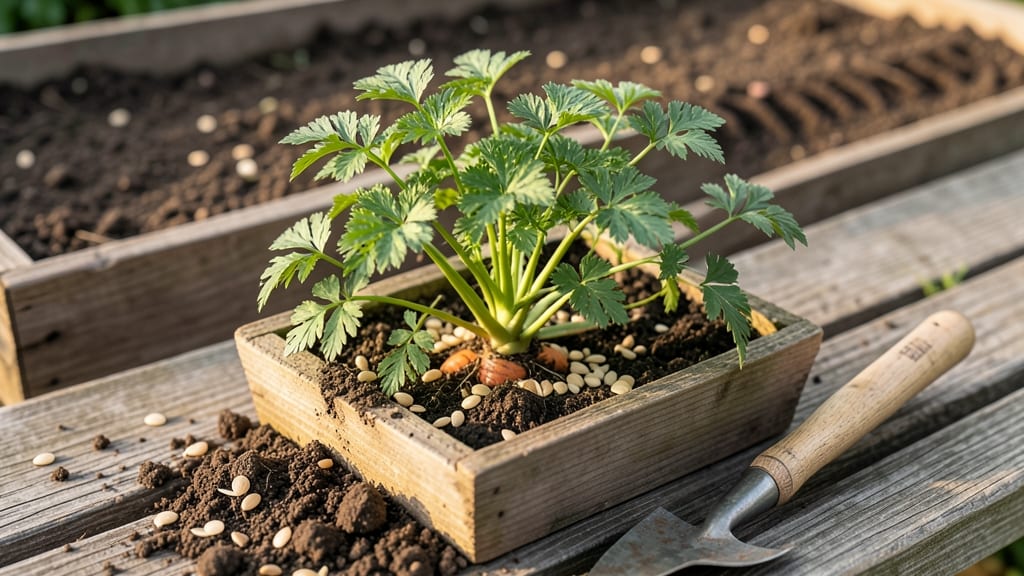
Planting carrots in Florida isn’t just about timing—it’s about beating the heat and humidity to grow those crisp, sweet roots you crave. Unlike northern states, Florida’s frost-free climate means you can grow them year-round, but summer’s scorching temperatures will turn your harvest into bitter, woody failures if you’re not careful.
I’ve tested the best months for planting in Florida’s 9a-11 zones, and the secret lies in soil temperatures between 50–85°F. Skip the sweltering summer heat, and you’ll avoid bolting (when carrots flower prematurely) and enjoy a steady supply of fresh 🥕 from fall through spring.
In this guide, I’ll break down the exact planting windows—whether you’re in North or South Florida—and share soil prep tricks to prevent forking. Plus, I’ll reveal how to stretch your growing season with shade and mulch, so you can enjoy homegrown carrots even in the dog days of summer.
Ready to grow carrots that taste like they came from a market stall? Let’s dive into the perfect schedule for Florida’s unique climate.
Florida carrot planting calendar: best months by soil temperature & frost zones
Florida’s frost-free climate makes growing carrots possible year-round, but timing matters to avoid bitter, woody roots. Unlike northern states, you won’t need to worry about frost, but soil temperatures and seasonal heat still dictate the best planting windows.
For crisp, sweet carrots, focus on fall and spring when temperatures stay within the ideal 50–85°F range.
Most of Florida falls into USDA Zones 8A–11, with northern areas like Jacksonville (Zone 8A) experiencing rare frosts in December, while southern regions like Miami (Zone 11) enjoy year-round warmth.
Even in frost-free zones, summer heat above 90°F can cause carrots to bolt or develop tough roots. Let’s break down the optimal planting months for each zone.
⚠️ NON-NEGOTIABLE: Test your soil temperature before planting. Use a soil thermometer—ideal temps are 50–85°F. If it’s hotter than 90°F, wait or use shade cloth. Cold soil below 50°F slows germination.
| Zone & Location | Best Planting Months | Soil Temp Range (°F) | Harvest Window | Key Considerations |
|---|---|---|---|---|
| Zone 8A (North FL: Jacksonville, Gainesville) | September–November, February–March | 50–75°F | December–January, May–June | Watch for rare December frost; mulch heavily. |
| Zone 9A (Central FL: Orlando, Tampa) | August–November, February–April | 55–80°F | October–January, April–June | Avoid June–July heat; use shade cloth if needed. |
| Zone 10A+ (South FL: Miami, Fort Myers) | Year-round, but peak: August–October, February–April | 60–85°F | October–December, April–June | Summer planting requires shade and frequent watering. |
In Zone 8A, your best bets are fall (September–November) and early spring (February–March). Soil stays cool enough for germination, and you’ll avoid the scorching summer sun.
For example, planting in late September gives you harvests by January, perfect for holiday meals. Skip summer planting here—temps often exceed 95°F, causing carrots to bolt (flower prematurely).
If you’re in Zone 9A or 10A, you can stretch planting into August for a fall crop, but be prepared to provide afternoon shade with 30–50% shade cloth.
I’ve had success in Orlando (Zone 9A) by sowing seeds in early August under shade, then thinning seedlings once soil cools in September. This gives me baby carrots by October and full-sized roots by December.
For spring planting, aim for February–April across all zones. Soil temperatures in south Florida (Zone 10A) warm up faster, so you can start as early as January. In northern Florida (Zone 8A), wait until mid-February to avoid cold snaps.
Pro tip: Use a row cover for early spring plantings to protect seedlings from unpredictable cold fronts.
Ever wonder why your carrots turn woody or bitter? It’s often due to uneven soil temperatures or overheating. In Florida’s summer months (June–August), soil can hit 100°F+, shocking roots.
If you’re determined to grow summer carrots, plant in raised beds with thick mulch (straw or black plastic) to keep soil temps stable. I’ve also had luck with shallow sowing (½ inch deep) in well-hydrated soil to prevent seedling stress.
Don’t forget about succession planting! In Florida, you can sow new carrot seeds every 2–3 weeks during the ideal windows to ensure a continuous harvest. For example, in Zone 9A, start with August seeds, then follow up with September, October, and November batches.
This way, you’ll always have fresh carrots ready to pull from October through June.
One common mistake I see is planting too deeply in Florida’s sandy soil. Carrot seeds need light to germinate, so sow them only ¼ inch deep. If your soil is heavy clay
Florida carrot planting calendar: best months by soil temperature & frost zones
Florida’s frost-free climate means you can grow carrots almost year-round, but soil temperature and humidity still dictate the best planting windows. Unlike northern states, Florida’s USDA Zones 8A-11 let you avoid frost damage entirely—but heat can still stress carrot plants.
The ideal soil temperature for germination is 50–85°F, with 60–75°F being perfect for root development.
Most Florida gardeners focus on fall and spring plantings to avoid the intense summer heat that causes bolting (premature flowering). In North Florida (Zone 8A), you’ll have slightly cooler winters, while South Florida (Zones 9A-11) can plant year-round with minimal adjustments.
Let’s break down the best months for each zone and how to maximize your harvest.
🌱 Key Takeaway: Plant carrots in September–November for fall harvests or February–April for spring harvests. Avoid planting in June–August unless you use shade cloth and extra watering.
| Zone | Best Planting Months | Soil Temp Range (°F) | Harvest Window | Notes |
|---|---|---|---|---|
| 8A (North FL) | Sep–Nov, Feb–Apr | 50–75°F | Dec–Jan, May–June | Cooler winters; avoid Dec planting (risk of light frost). |
| 9A (Central FL) | Aug–Nov, Jan–Mar | 60–80°F | Sep–Dec, Apr–May | Year-round possible with shade; peak in fall. |
| 10A–11 (South FL) | Year-round | 65–85°F | 30–60 days after planting | Use shade cloth in summer; bolting risk high in heat. |
In North Florida (Zone 8A), focus on fall plantings (September–November) to avoid the rare light frosts that can occur in December. The soil stays warm enough for germination until late November, and carrots will mature before winter sets in.
For spring plantings, start seeds indoors in February and transplant in March to beat the summer heat.
For Central Florida (Zone 9A), you can push the envelope slightly by planting in August for a fall harvest, but use shade cloth (30–50%) to protect seedlings from intense afternoon sun. The ideal window remains September–November for cooler temperatures and January–March for spring.
In South Florida (Zones 10A–11), you can plant year-round, but summer heat (June–August) often leads to bolting (flowering) and bitter roots.
To extend your growing season, try succession planting every 2–3 weeks in fall or spring. This ensures a continuous harvest and reduces the risk of overcrowding, which causes forked or stunted roots.
Always test your soil before planting—Florida’s sandy soil often needs compost or aged manure to improve moisture retention and prevent forking.
Pro tip: Direct-sow seeds instead of transplanting seedlings, as carrots hate root disturbance. Use a fine-textured soil (sandy loam works best) and keep it consistently moist but never waterlogged. With the right timing, you’ll enjoy crisp, sweet carrots straight from your Florida garden! 🥕