
Plants
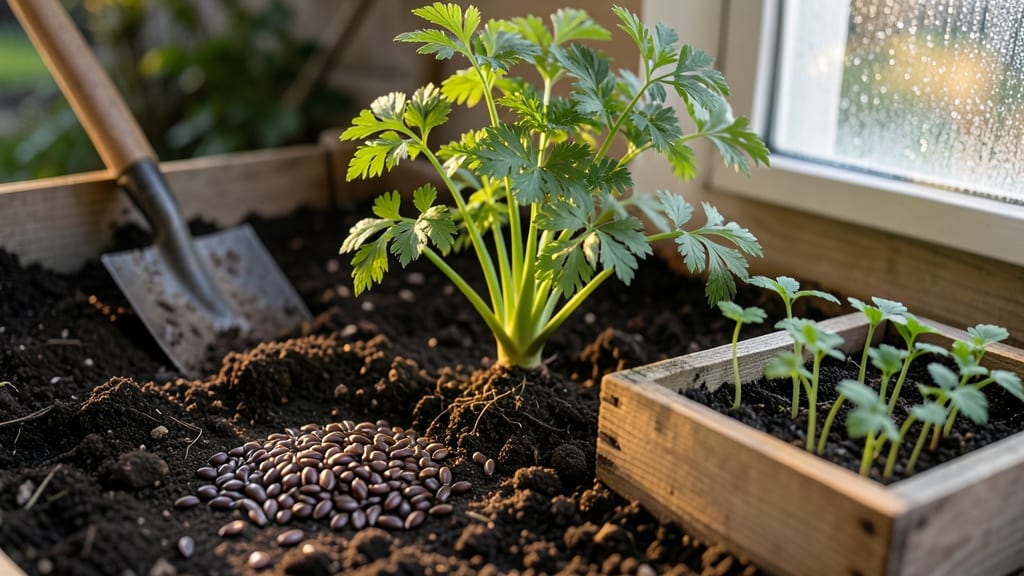
Timing your carrot seeds just right in Michigan is the secret to crisp, sweet harvests—because planting too early risks frost damage, while waiting too long means woody roots and bolting.
If you've ever stared at a packet of seeds wondering, "When exactly should I get these in the ground?", you're not alone.
Michigan's 5b-6b climate gives you two prime chances to grow 🥕—spring and fall—but getting the dates wrong can turn your garden dreams into disappointment. The key is understanding soil temperatures, frost dates, and how to work with Michigan's unpredictable weather.
Let me break down the exact windows you need to know.
Spring planting starts as early as March 20, but don't rush—wait until the soil warms to at least 45°F for those seeds to germinate properly. Fall's second chance runs from August 1 through September 15, giving you a late-season harvest before frost sets in.
Whether you're a first-time gardener or a seasoned pro, these region-specific tips will help you avoid common mistakes and maximize your yield. Ready to dig in?
Michigan carrot planting calendar: best months and frost guidelines
Michigan’s cool, variable climate demands precise timing for carrot seeds—too early and frost zaps your crop, too late and summer heat makes them woody and bitter. The key is planting when soil temperatures hit 50-60°F and frost risk has passed, but before bolting (flowering) kicks in from heat stress.
For most of Michigan (USDA zones 5b-6b), this means two main windows: early spring and late summer.
Spring planting starts as early as late March in southern Michigan (e.g., Detroit, Kalamazoo) but waits until mid-April in northern regions (e.g., Traverse City, Marquette). Fall planting begins in early August and stretches to mid-September, ensuring roots mature before the first frost (mid-October).
The goal? A 60-80 day growing season to harvest sweet, tender carrots.
Here’s the critical rule: Never plant when soil temps exceed 80°F—this triggers bolting, turning your seeds into flowering stalks instead of edible roots. Michigan’s last frost dates vary wildly: April 15 in southern zones but May 15 in the Upper Peninsula.
Use a soil thermometer to confirm readiness—50°F is the minimum for germination.
Pro tip: Succession planting every 2 weeks in spring and fall keeps your harvest steady. For example, sow a batch on April 1, another on April 15, and a final one by May 1.
This stretches your harvest from June to October, avoiding the July-August heat that ruins quality.
🌱
🥕 Michigan Carrot Planting Summary
| Stage | Action | Key Details |
|---|---|---|
| Spring Planting | March 20 - May 10 | Soil 50-60°F, last frost passed |
| Fall Planting | August 1 - September 15 | Harvest before first frost (Oct 15) |
| Soil Temp | 50-80°F | Below 50°F = slow germination; above 80°F = bolting |
| Frost Risk | April 15 (South) - May 15 (North) | Use row covers for early spring |
| Harvest Window | June - October (Spring) / Oct - Nov (Fall) | 60-80 days to maturity |
Michigan’s microclimates complicate timing. For example, Detroit’s urban heat islands can push soil temps into bolting territory by mid-June, while Traverse City’s cooler lakeside air extends the spring window.
Always check your local Almanac frost dates—they’re more accurate than USDA zones alone. A quick online search for “2024 frost dates [your city]” saves guesswork.
For container gardening (common in cities), start seeds 4-6 weeks earlier indoors under grow lights to compensate for slower soil warming. Transplant seedlings outdoors when they’re 2-3 inches tall and soil is consistently above 50°F.
Harden them off first—place pots outside for 2-3 hours daily over a week to avoid shock.
💧
One non-negotiable for Michigan gardeners: test your soil before planting. Carrots need loose, rocky-free soil to grow straight—clay-heavy areas (common in southern Michigan) require amending with compost or sand. Aim for a pH of 6.0-7.0.
If your soil is too acidic (below 6.0), add lime; if alkaline (above 7.0), mix in sulfur or peat moss. A simple $10 soil test kit from your local extension office is worth it.
Finally, mark your calendar for these Michigan-specific deadlines:
- April 15: Last frost in southern Michigan—time to plant!
- May 15: Last frost in northern Michigan—wait until then.
- August 1: Start fall planting to avoid summer heat.
- September 15: Final fall planting date before frost.
How to adjust carrot planting for Michigan’s microclimates
Michigan’s diverse climate means northern gardens like Traverse City face cooler springs, while southern zones like Detroit enjoy earlier planting. Understanding these differences lets you extend your harvest and avoid common pitfalls like bolting or stunted growth.
Urban gardeners with limited space should focus on succession planting—sowing seeds every 2 weeks from April through July. This ensures a steady supply of baby carrots all season while working around shade from buildings or trees.
For northern Michigan, wait until soil reaches 50°F (mid-May) before planting. Use row covers to protect seedlings from late frosts, which can delay germination by weeks.
- 📍 Northern MI: Start seeds indoors by April 1 for transplanting after last frost (May 15).
- 🏙️ Urban Areas: Choose short-season varieties (e.g., 'Paris Market') and plant near south-facing walls.
- 🌾 Southern MI: First planting can begin March 20 under row covers or in greenhouses.
- 🌿 Shady Spots: Opt for leafy varieties (e.g., 'Danvers Half Long') and extend daylight with grow lights.
- ❄️ Fall Planting: Northern areas should sow by August 15; southern areas can push to September 1.
Companion planting boosts yields in Michigan’s rocky or clay-heavy soil. Pair carrots with onions or leeks to deter carrot flies, or plant near rosemary or thyme to improve flavor and growth.
In sandy soils (common in northern Michigan), add compost or aged manure before planting to retain moisture. For clay soils (southern Michigan), mix in sand or peat moss to prevent forking.
Always check local Almanac frost dates—they vary by 1-2 weeks across Michigan. A simple trick? Plant a test row 2 weeks early to gauge soil readiness.