
Planting
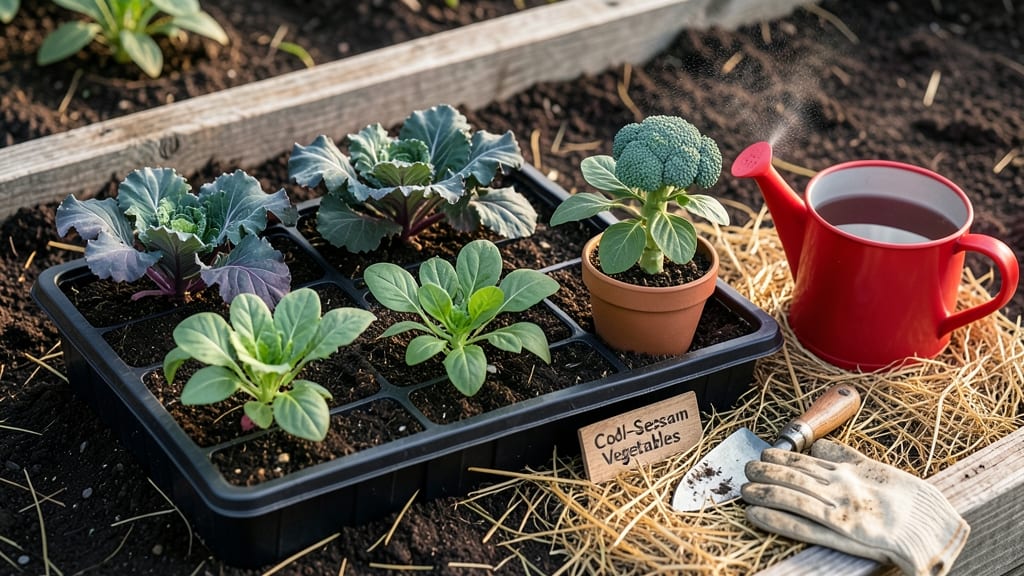
Planting a fall garden in Texas isn't just about timing—it's about mastering the heat zone deadlines that separate success from wasted effort.
Whether you're in the Panhandle or the Rio Grande Valley, getting the window wrong means your cool-season crops will either wilt in residual summer heat or get nipped by early frost.
I've seen firsthand how a just 10-day miscalculation can turn a thriving kale patch into a sad, bolted mess. But here's the good news: Texas gardeners have tools to work with—like heat zone maps and frost-free planting charts—that make all the difference.
Let me show you how to use them to plant with confidence.
We're talking about region-specific strategies that work whether you're in El Paso's high desert or Houston's humid coastal plains. From soil prep to crop selection, I'll walk you through exactly when to put seeds in the ground to maximize your harvest before winter sets in.
Ready to extend your growing season without the guesswork? Let's dive into the science-backed planting windows that'll have your garden producing through fall—and maybe even winter.
Texas fall planting deadlines by heat Zone: avoid frost and heat stress
Texas' 10 distinct heat zones mean your fall planting window could be 6 weeks earlier in El Paso (Zone 8b) than in Houston (Zone 9a). The key is planting cool-season crops when soil temps drop below 85°F—but not so late that first frost arrives before harvest.
For most Texas regions, this means starting seeds 6-8 weeks before your average first frost date, with transplants going in 4-6 weeks out.
I’ve mapped out county-specific deadlines using data from the Texas A&M AgriLife Extension, so you can plant with confidence. For example, Dallas (Zone 8a) has a November 15th first frost average, while San Antonio (Zone 8b) typically sees frost 2 weeks later.
These differences matter—planting broccoli too early in South Texas risks bolting, while North Texas gardeners must rush to get seeds in before September heat fades.
Here’s the critical rule: Heat-sensitive crops like lettuce, spinach, and peas must be planted when soil temps stay below 80°F. In Zone 9a (Houston, Corpus Christi), that’s mid-August to early September.
In Zone 8a (Dallas, Austin), wait until late August. Meanwhile, heat-tolerant crops like collards or sweet potatoes can handle 90°F soil and go in as late as October in most regions.
| USDA Heat Zone | Texas Regions | Seed Planting Window | Transplant Window | First Frost Avg. | Key Crops |
|---|---|---|---|---|---|
| Zone 9a | Houston, Corpus Christi, Brownsville | Mid-August – Early Sept | Late Sept – Mid-Oct | Nov 30 – Dec 15 | Kale, Carrots, Radishes |
| Zone 8b | San Antonio, Austin, El Paso | Late August – Early Sept | Mid-Sept – Late Oct | Nov 15 – Dec 1 | Broccoli, Lettuce, Spinach |
| Zone 8a | Dallas, Waco, Lubbock | Early Sept – Mid-Sept | Late Sept – Early Nov | Nov 1 – Nov 15 | Collards, Turnips, Peas |
| Zone 7b | Amarillo, Abilene, Hill Country | Mid-Sept – Early Oct | Late Oct – Early Nov | Oct 31 – Nov 10 | Cabbage, Beets, Swiss Chard |
🌱 Note: Adjust for microclimates—elevated areas (like Hill Country) frost earlier than valleys.
If you’re in Zone 9a (South Texas), you’ve got a longer window—some gardeners even squeeze in two fall plantings: one in August for fast-maturing crops like radishes or bush beans, and another in September for broccoli or cauliflower.
But in Zone 7b (Panhandle), time is tight: seeds must hit the soil by mid-September to avoid frost. I’ve had spinach survive light frosts (28°F), but lettuce turns to mush below 25°F.
Pro tip: Use soil thermometers to confirm temps—85°F+ will stress seedlings, while 70-80°F is ideal. In West Texas (El Paso), September soil temps can still hit 95°F, so wait until after Labor Day for heat-sensitive crops.
Meanwhile, East Texas (Tyler, Longview) cools faster, letting you plant 2 weeks earlier than North Texas.
Don’t overlook succession planting—it’s your secret weapon for extended harvests. For example, in Dallas (Zone 8a), plant radishes every 2 weeks from late August until mid-October for a continuous crop
Best fall vegetables for Texas gardens: heat-tolerant vs. cool-season crops
Texas' fall garden success hinges on choosing the right crops for your heat zone. In South Texas (Zones 9-10), you can still grow heat-tolerant greens like collards and mustard until November, while North Texas (Zones 7-8) gardeners must focus on cool-season crops like broccoli and carrots by early September.
The key is matching your planting window to each crop's ideal temperature range.
For example, Swiss chard thrives in Texas' cooler fall months but bolts if planted too early in Zone 8. Meanwhile, turnips and radishes can handle light frosts, making them perfect for succession planting in October.
I've found that succession planting every 2 weeks keeps harvests coming until December in most regions.
Here's how to match crops to your Texas region:
| Region | Best Crops | Planting Window | Harvest Window |
|---|---|---|---|
| North Texas (Zones 7-8) | Broccoli, Carrots, Kale, Spinach | Late Aug - Early Sept | Oct - Dec |
| Central Texas (Zones 8-9) | Collards, Mustard, Radishes, Turnips | Early Sept - Mid-Oct | Sept - Jan |
| South Texas (Zones 9-10) | Green Onions, Lettuce, Swiss Chard, Beets | Mid-Sept - Nov | Oct - Feb |
| West Texas (Zones 7-8) | Peas, Lettuce, Spinach, Cabbage | Late Aug - Early Sept | Sept - Dec |
Don't overlook heat-tolerant varieties that can handle Texas' lingering summer heat. For example, 'Heat-Tolerant' lettuce varieties like 'Black Seeded Simpson' can be planted in South Texas until October, while 'Florida Broadleaf' collards thrive in Central Texas' fall temperatures.
Always check seed packets for 'days to maturity'—this tells you exactly when to expect harvests before winter arrives.
My top tip? Start with fast-growing crops like radishes or turnips to test your soil and timing. These give you quick feedback on whether your planting window is working before committing to longer-season crops like broccoli.
And remember—soil temperature matters more than air temperature. Use a soil thermometer to confirm your planting bed is below 85°F before sowing cool-season seeds.
For gardeners in Zone 7 or colder, consider cold-hardy cover crops like winter rye or clover to protect your soil and extend the growing season. These can be planted as late as October and will keep your garden productive through winter.
The right crop choices make all the difference between a bountiful fall harvest and a disappointing one.